
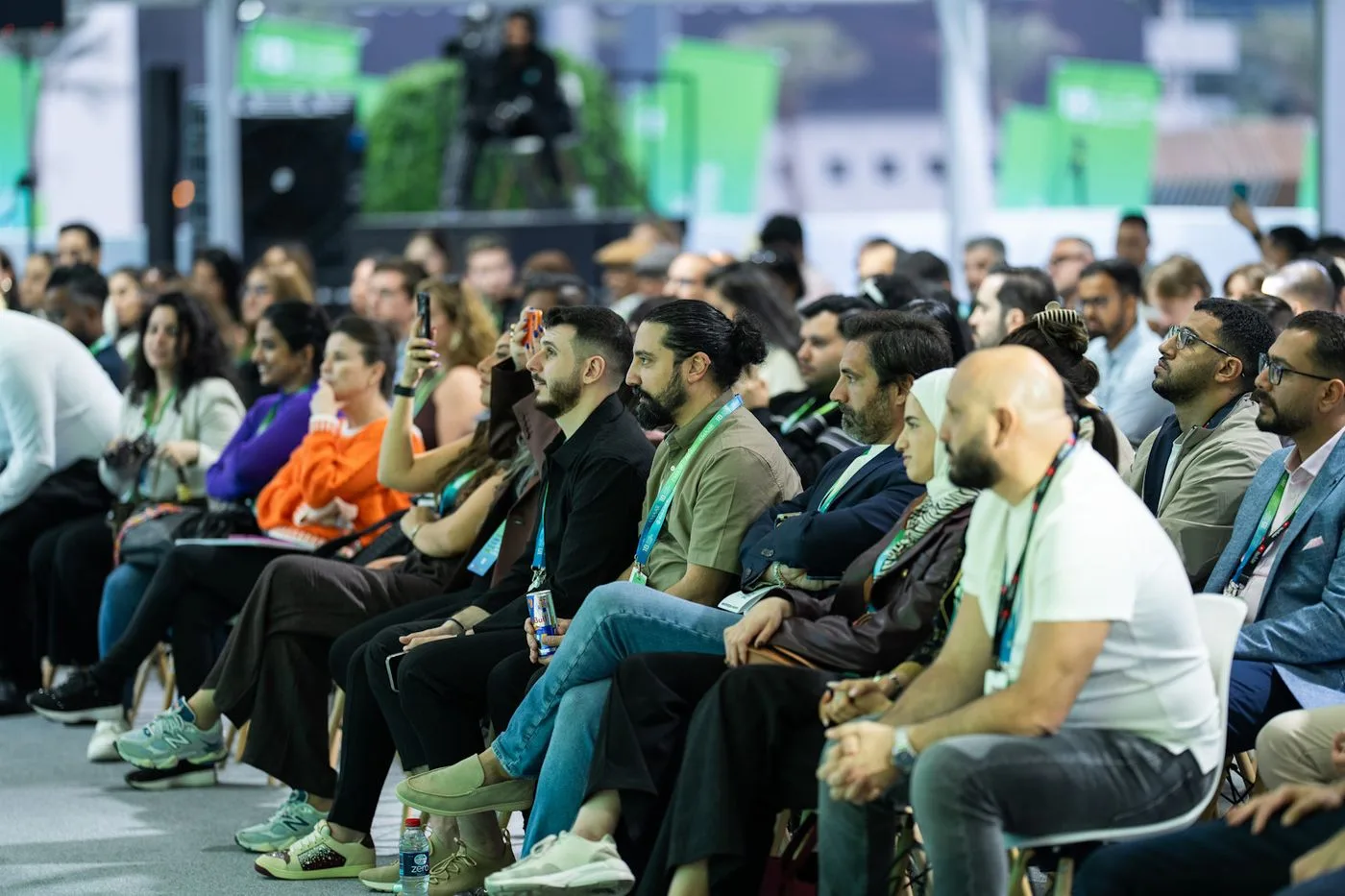


A call with David Mitroff, Ph.D.
Talk through your business with David
Quick answer
To host a panel discussion, pick a topic your audience cares about, invite three or four panelists with a short note that says there is no need to prepare, keep the panel to thirty or forty-five minutes with no slides, ask for stories instead of opinions, bring the audience in early and leave time to network afterward. Piedmont Avenue Consulting, Inc. plans panels, mixers and executive dinners with owners across the San Francisco Bay Area, Los Angeles, Orange County and New York.
Key takeaways
- A panel turns every panelist into someone you know, and each panelist promotes the event to their own network.
- Telling panelists there is no need to prepare gets the most yeses, since people with full schedules do not want homework.
- Questions about stories bring out more than questions about opinions, because stories are specific and easy to relate to.
- The host is the star of the night, opening the evening, thanking sponsors and closing with what comes next.
Learning how to host a panel discussion gives you one of the easiest ways to fill a room on a weeknight. At Piedmont Avenue Consulting, Inc., we are a business and marketing consulting firm that works with owners in the San Francisco Bay Area, Los Angeles, Orange County and New York to start, grow and scale their businesses. David Mitroff, Ph.D., ran monthly expert panels at General Assembly in San Francisco for three years, and these are the questions owners ask us most about hosting one.
Why host a panel at all?
A panel does three jobs at once. Every panelist becomes someone you know. Every panelist tells their own network they are speaking, which promotes the event. And the panel gives guests a reason to come out on a weeknight.
The invitation itself is easy to send, because people hear it as a compliment. In The Event Effect, David writes:
“Almost nobody hears that as a sales pitch. Most people hear it as a compliment, because it is one.”
David Mitroff, Ph.D., in The Event Effect, Chapter 8: Speakers and Panels
How do I pick a panel topic?
Start with the people you want in the room, not the people you want on the stage. Ask what keeps your best clients up at night, what they ask you about over lunch and what changed in their field this year. A topic that answers one of those questions fills seats. A topic that only shows off your expertise fills fewer.
A few tests for a good topic:
- Can you say it in one short line on an invitation, such as “Meet the founders building food tech”?
- Would three or four different people tell different stories about it? If every panelist would say the same thing, the topic is too narrow.
- Does it lead to your work without being about your work? An accounting firm can host a panel on raising money. A contractor can host one on what owners wish they knew before building.
- Is it timely without being a headline? A topic tied to one news story fades by the event date.
David ran a new topic every month for three years, and the variety itself became a reason for people to keep coming back. If you plan a series, write down twelve topics before the first night, so the next one is ready when you need it.
Where do I find panelists?
Start with LinkedIn. Look for founders and leaders in the field your audience cares about. David found most of his General Assembly panelists that way, across topics such as fashion and tech, design, marketing, recruiting, cloud computing, fintech and food tech.
Your clients, partners and sponsors are good candidates too. A sponsor who fits the topic can take a panel seat. Our guide on how to get event sponsors covers that.
How do I choose the right mix?
Think of the panel as a dinner table. You want people who will talk to each other, not four people who agree. A good mix often includes:
- A founder or owner who can tell what it took to start.
- Someone further along, who has grown a company and seen what breaks.
- A specialist, such as a lender, a recruiter or a designer, who sees many businesses from one angle.
- A newer voice, someone a year or two into the field who remembers what the first steps felt like.
Avoid filling every seat with your own clients. One or two is welcome. Four can make the night feel like a showcase, and guests notice.
What do I say in the invitation?
Keep it short. Name the event, the topic, the date and time and the venue, say you would love to have them on the panel and offer to share more. When they say yes, send the details: when the panel starts and how long it runs. Then add the line that gets the most yeses:
“There’s no need to prepare. We keep it a conversation.”
David Mitroff, Ph.D., in The Event Effect, Chapter 8: Speakers and Panels
People with full schedules do not want homework. They want to show up, share what they know and meet interesting people.
You can also give panelists something in return. In The Event Effect, David’s sample invitation offers each expert a complimentary table for their materials.
“Every expert gets something to share, and nobody gets homework.”
David Mitroff, Ph.D., in The Event Effect, Chapter 8: Speakers and Panels
How do I brief panelists without giving them homework?
“No need to prepare” does not mean no information. A short note a week out lets panelists relax and arrive on time. Keep it to a few lines:
- Arrival time, about thirty minutes before the panel, and where to park or check in.
- Who else is on the panel, with a link to each person’s profile.
- Who is in the audience, such as owners, managers or a particular industry.
- Two or three sample questions, so they know the tone is stories, not speeches.
- What happens after, such as networking until eight, so they plan to stay.
If you can, take five minutes with the panelists before the doors open. Introduce them to each other. People who have shaken hands talk more easily on stage.
How many panelists, and for how long?
Three or four panelists gives enough variety and enough time for each. Plan thirty minutes, perhaps forty-five, and end while people still want more.
Do panelists use slides?
No. Slides turn a panel into four short presentations. The best panels feel like a conversation among people who know the subject, with each question building on the last answer.
What questions work best?
Ask about stories, not opinions. “Tell us about a time it almost didn’t work” brings out more than “What do you think about the future of the industry?” Stories are specific, memorable and easy for the audience to relate to.
A few more moderator habits:
- Bring the audience in early. Questions from the room keep everyone awake, the panelists included.
- Give every panelist airtime. Direct a question to the quietest person on the stage.
- Close on time and tell people what comes next.
Story questions to keep in your back pocket
Write eight or ten questions on a card, and expect to use about half. The rest are there for the moment a thread runs dry.
- What was the first customer or client you won, and how?
- Tell us about a decision that looked wrong at the time and turned out right.
- What do you wish someone had told you in your first year?
- When did you realize the business had changed and you had to change with it?
- Who opened a door for you, and what did they do?
- What is one thing people in the audience could try next week?
The last question is a strong one to close on, because guests leave with something to do.
How do I open the panel?
Keep the opening to a few minutes. Welcome the room, thank the venue and any sponsor, and say in one sentence why this topic matters tonight. Then introduce each panelist in a sentence or two. Long biographies eat the time guests came for. A better approach: ask each panelist to answer a short opening question, such as “How did you get into this field?” in under a minute. The room learns who they are through a story.
How do I handle the tricky moments?
- A panelist talks too long. Wait for a breath, thank them and turn with a direct question to the next person by name.
- The panel agrees on everything. Ask, “Has anyone seen it go the other way?” Someone usually has.
- An audience question turns into a speech or a pitch. Thank the guest, pull out the question inside it and hand it to a panelist.
- Nobody asks a question. Have one or two friendly guests ready with a first question, and the room follows.
- You are running late. Cut a question, not the networking. The conversation afterward is where the value is.
Thinking about hosting a panel?
Schedule a call with David Mitroff, Ph.D. We look at your audience, a topic they care about and who belongs on the stage.
Or call David at 510-761-5895, 8 AM to 8 PM, seven days a week.
What does a good panel night look like?
Here is the mixer and panel agenda David uses often. The talks are short, because the conversation is the main event.
| Time | What happens |
|---|---|
| 6:00 p.m. | Networking |
| 7:00 p.m. | A short keynote |
| 7:20 p.m. | Expert panel |
| 7:50 p.m. | Networking |
| 8:00 p.m. | Good night |
“The panel is the reason to come. The conversation afterward is the reason it matters.”
David Mitroff, Ph.D., in The Event Effect, Chapter 8: Speakers and Panels
Who is the star of the night?
The host. Whether the stage holds a well-known keynote speaker or three local founders, you open the evening, introduce the speakers, thank the sponsors and close the night with what is next. You do not need to be the star. You need to be the person who made it happen and who makes everyone feel welcome.
“You are the host, even when someone else is on the stage.”
David Mitroff, Ph.D., in The Event Effect, Chapter 8: Speakers and Panels
In practice, that means you are on the floor during the networking hour, not behind the sign-in table. Walk guests over to the panelist they came to meet. Introduce two people who work in related fields. Our guide on why owners host the room instead of working the room goes deeper on this habit.
What does a panel look like in different businesses?
A panel works for almost any business that has clients who want to learn from each other. A few short examples:
- A law firm hosts three founders and a lender on what owners face in their first round of hiring. The firm’s attorneys stay in the audience and meet guests afterward.
- An accounting practice invites a banker, a business owner who sold a company and a financial planner to talk about planning for the next five years.
- A general contractor brings together an architect, an engineer and a property owner to talk about what makes a building go smoothly. Our construction work often starts with events like this.
- A restaurant or hotel hosts a panel of local food and drink makers, then serves what they make during the networking hour.
- A fitness or wellness studio invites a nutritionist, a physical therapist and a longtime member to talk about staying with a routine.
In each case, the host’s business is not the topic. The host’s business is the reason everyone is in the same room.
What about hiring a keynote speaker?
Ask how much of the event the speaker will be part of, not only how long they will talk. Some speakers fly in, give the talk and leave. Others come to the reception, sit with attendees at lunch and keep the conversation going afterward. Ask three questions before you choose:
- What kind of event is it? A conference, a retreat, a sales meeting, a launch or an association gathering.
- What do you want the audience to walk away with? Learning, motivation, entertainment, action or a mix.
- How much of the event is the speaker part of? The hour on stage, or the whole experience.
“A speaker who stays, connects and follows up is worth more than a bigger name who disappears after the applause.”
David Mitroff, Ph.D., in The Event Effect, Chapter 8: Speakers and Panels
Our longer guide on how to choose a keynote speaker walks through the conversation to have before you book anyone.
Can I be the speaker instead?
Yes, and speaking at other people’s events can become one of your best events. Make a short list of groups your audience already belongs to, such as chambers of commerce, associations, libraries, colleges and business groups, and offer a talk that is useful to their members, not a sales pitch. Then arrive early, stay late and follow up with everyone who came up to you. Many conferences and associations book speakers months ahead, so reach out early. David’s own book The 45 Day Consultant started after he spoke at a city business event in Pleasant Hill.
What do I do after the panel?
Follow up within a day or two. Thank each panelist, share photos, send the attendee list a short note with what is next and keep in touch with the panelists you want to know better. Our guide to the follow-up system that wins more business covers the steps.
A simple follow-up plan for the week after
- Day one: A personal thank-you note to each panelist, with a photo of them on stage.
- Day two: A short note to every guest with one takeaway from the panel and the date of the next event.
- Within a week: Coffee or a call with the two or three guests who asked the best questions or stayed latest.
- Within two weeks: Ask one panelist whether they would like to return as a moderator or suggest the next topic.
How do I know the panel worked?
Head count is the easiest number to report and the least useful. A full room of people who left the minute the panel ended did less for your business than a smaller room where real conversations started.
“Eighty people who drank your wine and left are not a success. Twelve people, three of whom book a follow-up call, are.”
David Mitroff, Ph.D., in The Event Effect, Chapter 4: Start With Why
Track a few numbers instead:
- Follow-up meetings booked within two weeks.
- New people who joined your list and opened the next note.
- Panelists who shared the event with their own network before the night.
- Guests who came back for the next panel in the series.
- Introductions you made during the networking hour.
Our guide on how to measure event success explains how to set these up before the night, so you are counting the right things.
Common panel mistakes to avoid
- Too many panelists. Five or six people means each one speaks for a few minutes. Three or four is plenty.
- A moderator who gives a speech. The moderator asks, listens and passes the microphone.
- Slides “just for context.” One slide becomes ten. Keep the screen dark, or show only the event title.
- No time to network. If the panel runs long and guests leave at the end, the night did half its job.
- No next step. Guests who enjoyed the evening want to know what is next. Tell them before they reach the door.
- Forgetting the panelists after the night. They promoted your event to their network. Keep in touch.
Panel night checklist
- Two weeks out: Panelists confirmed, invitation sent, venue and sponsor set.
- One week out: Panelist briefing sent, questions drafted, run of show written.
- The day before: Name tags printed, microphones tested, seating plan for the stage set.
- Doors open: Panelists greeted and introduced to each other, host on the floor.
- During the panel: Watch the clock, bring the audience in early, close on time.
- After the panel: Host introduces guests to panelists and to each other until the last goodbye.
For the full evening, our event day checklist covers everything from the door to the last goodbye.
Can I turn a panel into a series?
Yes, and a series often does more than one large panel. A monthly panel gives regulars a reason to come back, gives new guests an easy first event and builds a bench of panelists who know you. David’s General Assembly series ran monthly for three years. Pick a regular night, such as the second Tuesday, so guests learn the rhythm.
What can I do this week?
- Pick one topic your best clients care about.
- List six possible panelists, so you have backups if two say no.
- Send three short invitations with the “no need to prepare” line.
- Hold a date and a venue, even a tentative one.
- Write the first five story questions on a card.

How we work with owners on panels and events
We plan expert panels, mixers and executive dinners, find and invite panelists and run the follow-up afterward, and we host The Professional Connector® events across the San Francisco Bay Area and Southern California. In the first ninety days of working together, our job is to find our fee, which means making or saving you more than you pay us. We start with an initial consultation and a paid assessment, then build a ninety-day plan and a twelve-month marketing calendar. Learn more about our event marketing work and booking David to speak.
From David’s books

Run a law firm?
David Mitroff, Ph.D. covers this for attorneys in Law Firm Business Growth Strategies, Second Edition, in the chapter “Workshops and Events”.
Read the chapter guideLaw Firm Growth GuideLaw firm consultingGet the book on Amazon

The Event Effect
David wrote the book on events that grow a business. The Event Effect, now in its second edition, covers how to plan, fill, host and follow up on them.
Quick self-assessment
Score your law firm
Answer nine questions and get an initial score out of 100 for how easy your firm is to find and choose online. It is written for law firms, and built on the nine keys from David Mitroff, Ph.D.’s book Online Business Growth Strategies.
Score your law firmTake action
Your next three steps
- Invite three or four panelists you find on LinkedIn or among your clients, partners and sponsors.
- Keep the panel to thirty or forty-five minutes with no slides, and bring audience questions in early.
- Thank each panelist within a day or two and send attendees a short note with what is next.
In their own words
What clients say about working with us
“Right away things started to happen. We have managed to fill up our seminar rooms again, he has found us great new staff, and business is booming. More than a marketing consultant, he is also a business confidant […]”
 David RosenbaumPartner, McDowall Cotter, APC

“I have known and worked with David for over 15 years, across numerous companies and ventures. He helped us build and promote Clark Meyers. He is my go-to marketing guru and has introduced me to the resources I need to grow.”
 Conor MeyersCo-Founder, Clark Meyers PC

Read more client stories or see our case studies.
Frequently asked questions
Frequently asked questions
How many people belong on a panel discussion?
Three or four panelists works well for a panel discussion. That gives enough variety of views and enough time for each panelist to share stories.
How long does a panel discussion last?
A business panel discussion works best at thirty to forty-five minutes, ending while the audience still wants more, with time to network afterward.
How do I invite someone to be on a panel?
Send a short note with the event, topic, date, time and venue, say you would love to have them on the panel and add that there is no need to prepare because the panel is a conversation.
What makes a good panel discussion question?
Good panel discussion questions ask for stories instead of opinions, such as asking each panelist about a time a plan almost failed. Stories are specific and easier for the audience to remember.
Who moderates a panel discussion?
The host often moderates a business panel, or invites a trusted colleague to do it. A good moderator asks short story questions, gives every panelist airtime, brings the audience in early and closes on time.
How do I measure whether a panel discussion worked?
Count follow-up meetings booked, new people who joined your list, panelists who shared the event and guests who return for the next panel, instead of counting heads alone.
Does Piedmont Avenue Consulting, Inc. plan panel discussions?
Yes. Piedmont Avenue Consulting, Inc. plans expert panels, mixers and executive dinners, invites panelists and runs the follow-up. Schedule a call with David to talk about your event.
Let’s grow together.
Schedule a call with David. Tell us the topic your clients care about most, and we will sketch the panel together.
Or call David at 510-761-5895, 8 AM to 8 PM, seven days a week.
About the author
David Mitroff, Ph.D. wrote this article. He is the founder of Piedmont Avenue Consulting, Inc., a business and marketing consulting firm serving the San Francisco Bay Area, Los Angeles, Orange County and New York. Meet David or read more articles by David.
- Founder and Business Growth Strategist at Piedmont Avenue Consulting, Inc.
- Doctorate in clinical psychology, with additional coursework in business administration, law and culinary arts; bachelor’s and master’s degrees.
- Taught marketing and entrepreneurship at the University of California, Berkeley for more than seven years.
- Author of several books, including The 45 Day Consultant, The 45 Day Consultant Field Guide, Online Business Growth Strategies, The Event Effect: Invite, Don’t Sell, and Law Firm Business Growth Strategies (Second Edition).
- Started seven companies; previously owned and ran a recruiting and staffing company.
David works with a small team of consultants and specialists on every engagement. Meet our team or read about Piedmont Avenue Consulting, Inc.