


A call with David Mitroff, Ph.D.
Talk through your business with David
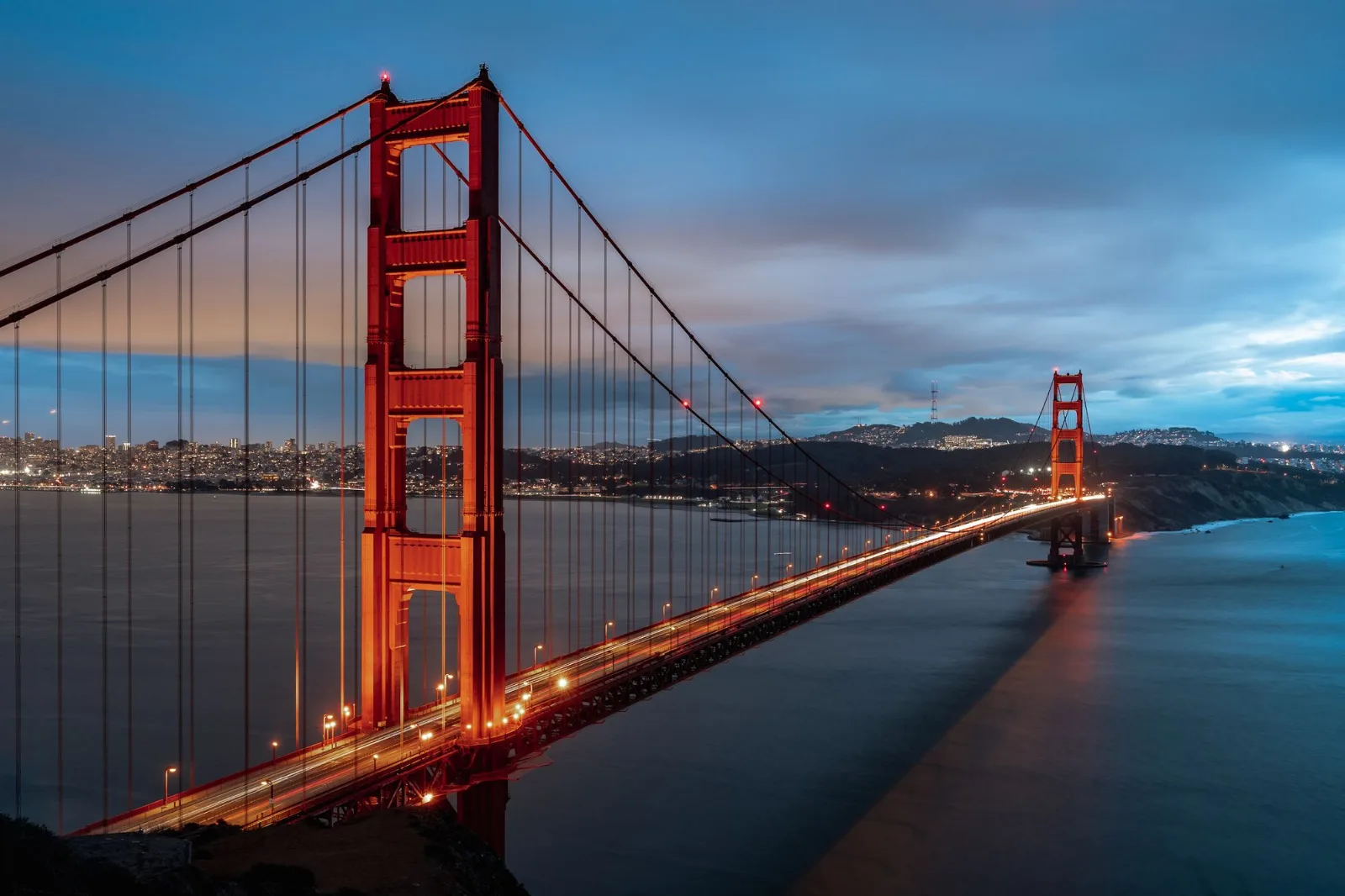
A special event on a yacht or powerboat on San Francisco Bay starts with three choices. Pick the right vessel for your guest count and a departure point that is easy for your guests to reach. Then pick a time of day and season that give you the calmest water and the best views. From there, you plan the route, the food and drinks, the safety briefing and the invitation. Done well, a few hours on the water past the Golden Gate Bridge, Alcatraz and the city skyline becomes the event your guests talk about all year.
This page used to announce VIP yacht and powerboat events that Piedmont Avenue Consulting, Inc. planned with Passage Yachts, a yacht dealer based at Brickyard Cove in Richmond. It is now a full guide to planning a special event on the water, whether you are hosting clients, celebrating your team, launching a product or raising money for a cause.
At Piedmont Avenue Consulting, Inc., we plan and promote business events across the San Francisco Bay Area and Southern California, including The Professional Connector® events each month and invite-only executive dinners. Events on the water follow the same rules as events on land, with a few extra details.
Planning an event on the water?
Schedule a call with David Mitroff, Ph.D. We talk through your goals, your guest list and your budget, and we map the event from invitation to follow-up.
Or call David at 510-761-5895, 8 AM to 8 PM, seven days a week.
Why host an event on a yacht or powerboat?
A boat changes the room. Guests cannot drift off early, phones go into pockets once the bridge comes into view, and conversations happen naturally at the rail. For a business, that means:
- Undivided attention. A few hours on the water with your best clients or partners is time nobody else gets.
- A memorable invitation. “Join us on the bay” gets a faster yes than “join us for drinks.”
- Built-in entertainment. The Golden Gate Bridge, Alcatraz, Angel Island, Sausalito and the skyline do the work of a keynote.
- A natural size limit. Boats hold a set number of people, which makes the invitation feel selective.
David explains the value of rare invitations in The Event Effect.
“When I get access to something special, like courtside seats at a basketball game, a very exclusive whiskey tasting or a private yacht cruise, I am often told I can bring a few people. I keep a list of high-level people for exactly these moments, and I invite them knowing most of them will not be able to go. They text me back: ”Thank you so much for thinking of me.“ That is the whole point.”
David Mitroff, Ph.D., in The Event Effect
Even the people who cannot come remember that you thought of them.
Types of events that work on the water
- Client appreciation cruises: thank your best clients with an evening on the bay.
- Executive dinners on the water: a small, seated dinner for a handful of senior guests.
- Team celebrations: end-of-year parties, milestone celebrations and retreats.
- Product launches and announcements: a dramatic setting for news you want people to remember.
- Fundraisers: donors enjoy an experience they cannot buy on their own.
- Networking cruises: a mixer that moves, with a clear start and finish.
- Partner events: co-host with a bank, law firm or sponsor that serves the same audience.
Yacht or powerboat: choosing the right vessel
Sailing yachts
A sailing yacht is quiet, classic and ideal for small groups who want a true sailing experience. Plan for fewer guests and a more casual style, since space below deck is limited and the boat will heel in the wind.
Motor yachts
A motor yacht offers more interior space, a steadier ride, room for catering and often a sound system. It is a strong choice for client dinners, cocktail receptions and groups that want comfort.
Powerboats
A powerboat is fast and fun. It suits small groups, short tours and events with an adventure feel, such as a quick run under the Golden Gate Bridge or a ride to a waterfront restaurant. It works less well for seated meals.
Larger charter vessels
For larger groups, dedicated charter vessels offer multiple decks, full bars, dance floors and catering kitchens. They suit company parties, conferences and big celebrations.
Questions to ask any charter operator
- How many guests can the vessel carry, and what does the Coast Guard certificate allow?
- Who is the captain, and what license do they hold?
- What is included: crew, fuel, catering, bar, music, cleanup?
- What is the plan if the weather turns?
- What insurance does the operator carry, and do you need your own event coverage?
- Is the boat accessible for guests with limited mobility?
Larger passenger vessels fall under federal small passenger vessel rules, including a Coast Guard Certificate of Inspection, as set out in Subchapter T. Ask to see the certificate and the captain’s license before you sign.
Where events on San Francisco Bay depart
Choose a departure point your guests can reach easily, with parking or transit nearby.
- San Francisco waterfront: central for city guests, with views of the skyline from the first minute.
- Sausalito: a charming start for guests coming from Marin or the North Bay.
- Oakland and Alameda: convenient for East Bay guests, with easy parking.
- Richmond and Berkeley: marinas close to the East Bay hills, with quick access to the central bay.
- Peninsula marinas: an option for guests coming from the Peninsula and Silicon Valley.
Send guests exact directions to the dock, the gate code if there is one, and the name and phone number of the person meeting them.
Routes and timing
Classic routes on San Francisco Bay pass under or near the Golden Gate Bridge, circle Alcatraz, cruise past Angel Island and Sausalito and return along the city waterfront. A sunset cruise is the most requested time, and the light on the bridge and skyline is hard to beat.
Plan around the weather. San Francisco Bay is famous for fog and afternoon wind, especially in summer. Many local sailors find late summer and early fall offer warmer evenings and clearer skies. Your captain is the best guide on any given day. Build the schedule with a little flexibility, and tell guests to bring layers.
Keep it the right length. Long enough to relax and see the sights, short enough that nobody feels stuck. Plan the timeline with your captain, including boarding, the route, any stops and a firm return time.
A sample evening on the bay
Every event is different. Here is a simple timeline many hosts use for a sunset client cruise.
- 5:00 PM: the host team arrives at the dock, checks the boat, the catering and the guest list.
- 5:30 PM: guests arrive and board. A greeter checks names and hands each guest a drink.
- 5:45 PM: the captain gives a short safety briefing, and the host gives a warm welcome.
- 6:00 PM: the boat leaves the dock and heads toward the Golden Gate Bridge.
- 6:45 PM: the host makes a short toast and introduces a few guests to one another.
- 7:15 PM: sunset views near the bridge or Alcatraz, with photos.
- 8:00 PM: the boat returns to the dock. The host thanks each guest at the gangway.
Adjust the times to the season’s sunset and your captain’s advice. Keep the speeches short. Guests came for the view and the company.
Food, drinks and hospitality
- Catering: choose food that is easy to eat standing up or on a moving boat. Bite-size pieces, no messy sauces and plenty of napkins.
- Drinks: confirm who is licensed to serve alcohol on board and follow California rules. Offer good non-alcoholic choices, and plan rides home for guests.
- Seasickness: offer ginger candy and water, and tell guests the route ahead of time so they can prepare.
- Comfort: blankets for the evening chill, a place to store coats and bags, and a clear spot for photos.
- Accessibility: ask guests about mobility needs in advance and share what the boarding process looks like.
Inviting the right guests
The guest list makes or breaks any event. On a boat, every seat counts.
- Start with your goal. Thanking clients, meeting new prospects and celebrating your team call for different lists.
- Invite more than the boat holds, knowing some people will decline. Our guide on how many people to invite to an event explains how we plan the numbers.
- Send a beautiful invitation early. Include the date, the dock, boarding time, return time, dress code and what to bring.
- Confirm twice. A reminder a week out and a day before keeps no-shows low, which matters when the boat leaves on time.
- Introduce people on board. The host’s job is to connect guests with one another. That is where the value of the event lives.
Budgeting for an event on the water
Costs vary widely with the vessel, the season, the day of the week and what is included. Build your budget around:
- The charter fee, crew and fuel.
- Catering, bar and any licensed bartending.
- Dock fees, parking or transportation for guests.
- Decor, music, photography and gifts.
- Event insurance, if your operator or venue requires it.
- A contingency for weather changes.
Weeknight and off-season dates are often easier to book. Partnering with a sponsor who serves the same audience can share the cost. Our guide on how to budget for a business event walks through the full approach.
After the event: follow up
The event ends at the dock. The relationship keeps going.
- Send a thank-you note within a day or two.
- Share a few photos from the evening.
- Follow up personally with every guest you want to see again.
- Make notes on who connected with whom, so your next invitation is even better.

How Piedmont Avenue Consulting, Inc. plans special events
We plan, host and promote business events across the San Francisco Bay Area and Southern California. David runs several Professional Connector® events each month and hosts invite-only executive dinners in both regions. Events on the water use the same approach: a clear goal, the right guest list, a memorable experience and a real follow-up plan.
We start with an assessment, agree on the priorities that matter most, and define what success looks like, then build a 90-day plan for ongoing work. We start with an assessment, a ninety-day plan and a twelve-month marketing calendar. For many clients, events become one of the three to five initiatives we work on first. Learn more about our event marketing work, our executive dinners and what an experiential event is.
Let’s plan an event your guests will remember.
Schedule a call with David. Bring your goal and your guest list, and we will map the event from invitation to follow-up.
Or call David at 510-761-5895, 8 AM to 8 PM, seven days a week.
Frequently asked questions
Frequently asked questions
How do I plan a special event on a yacht in San Francisco?
Choose a vessel that fits your guest count, pick a departure point your guests can reach easily, set a date and time with the best chance of calm water, then plan the route, catering, safety briefing, invitations and follow-up with your charter operator.
What is the best time of year for a yacht event on San Francisco Bay?
Many local sailors find late summer and early fall bring warmer evenings and clearer skies, while summer afternoons can be windy and foggy. Sunset cruises are the most requested time. Your captain is the best guide on any given day.
What is the difference between a yacht and a powerboat for an event?
Motor yachts offer more space, a steadier ride and room for catering, which suits dinners and receptions. Powerboats are smaller and faster, which suits short tours and small groups with an adventure feel.
What do I ask a yacht charter company?
Ask how many guests the Coast Guard certificate allows, who the captain is and what license they hold, what is included, what the weather plan is, what insurance they carry and whether the boat is accessible.
Where do yacht events on San Francisco Bay depart from?
Common departure areas include the San Francisco waterfront, Sausalito, Oakland and Alameda, Richmond and Berkeley, and Peninsula marinas. Choose the one closest to most of your guests.
Can Piedmont Avenue Consulting, Inc. plan an event on the water for my business?
We plan, host and promote business events, including the guest list, invitations, partners and follow-up, and we coordinate with your charter operator and caterer. Schedule a call with David to talk about your event.
About the author
David Mitroff, Ph.D. wrote this article. He is the founder of Piedmont Avenue Consulting, Inc., a business and marketing consulting firm serving the San Francisco Bay Area, Los Angeles, Orange County and New York. Meet David or read more articles by David.
- Founder and Business Growth Strategist at Piedmont Avenue Consulting, Inc.
- Doctorate in clinical psychology, with additional coursework in business administration, law and culinary arts; bachelor’s and master’s degrees.
- Has taught marketing and entrepreneurship at UC Berkeley for more than 7 years.
- Author of several books, including The 45 Day Consultant, The 45 Day Consultant Field Guide, Online Business Growth Strategies, The Event Effect: Invite, Don’t Sell, and Law Firm Business Growth Strategies (Second Edition).
- Started seven companies; previously owned and ran a recruiting and staffing company.
David works with a small team of consultants and specialists on every engagement. Meet our team or read about Piedmont Avenue Consulting, Inc.