
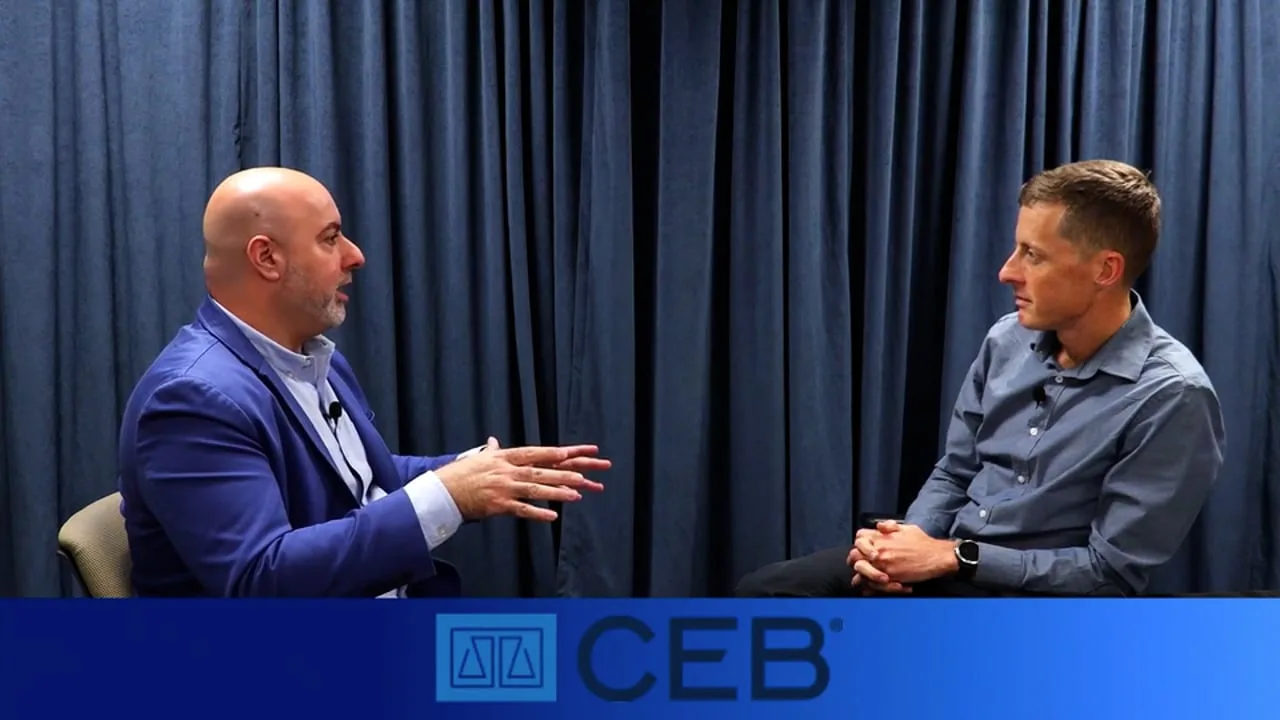


A call with David Mitroff, Ph.D.
Talk through your business with David
Quick answer
An attorney referral network grows from introductions, not referral requests. Make a list of the twenty people upstream of your clients, such as other lawyers, CPAs, financial advisors and bankers, meet them on a steady schedule, ask who they know that you ought to meet, and send them the calls you do not handle. Piedmont Avenue Consulting, Inc. works with law firms in the San Francisco Bay Area, Los Angeles, Orange County and New York on referral relationships and growth.
Key takeaways
- A referral is a heavy ask that tends to sit, while an introduction is light and easy to give, so ask for introductions.
- The best referral sources are upstream of your clients: other lawyers, CPAs, financial advisors, bankers and the professionals who hear about a problem first.
- Three lunches a month with the twenty people on your list adds up to thirty-six a year, which is a habit and not a heroic effort.
- People call the one lawyer they know about every legal problem, so sending those calls to the right lawyer builds the network in both directions.
An attorney referral network is the group of lawyers, accountants, advisors and other professionals who send your firm work because they know you and trust you. At Piedmont Avenue Consulting, Inc., we are a business and marketing consulting firm that works with solo attorneys, small firms and larger practices in the San Francisco Bay Area, Los Angeles, Orange County and New York. A good part of our work with law firms is building these relationships and arranging the introductions that start them.
Want more of your matters to come from people you know?
Schedule a call with David Mitroff, Ph.D. We look at where your work comes from today and who belongs on your list.
Or call David at 510-761-5895, 8 AM to 8 PM, seven days a week.
Ask for introductions, not referrals
Every lawyer has been told to ask for referrals. Few do, and the ones who do get very little from it. In Law Firm Business Growth Strategies, David Mitroff, Ph.D., explains why: a referral is a big ask. You are asking someone to vouch for you and put their name on your work. Most people say yes to your face and then do nothing, because doing something takes effort.
An introduction is light. “Who do you know that I ought to meet?” costs nothing. “Would you introduce me?” is a short email that the other person can send without endorsing anything except that the two of you might enjoy a conversation. People say yes to that, and then they actually do it.
David has taught this distinction to lawyers for years, in MCLE rooms and on statewide webinars. He has been an approved California MCLE provider and has delivered more than three hundred MCLE workshops, and attendees tell him this is the idea they used. Our article on asking for introductions, not referrals covers the exact wording.
The goal of every meeting is the next meeting
Many lawyers hear “business development” and picture a pitch. That picture is why so many avoid it. David learned a different approach from Stephan Schiffman, the author of Cold Calling Techniques (That Really Work!): the goal of the meeting is the next meeting.
You are not closing anyone at lunch. Ask what they do. Ask what else they do, which is the question that opens people up. Listen. Offer something: a name, an article or a thought. Then, before you leave, agree on when you will talk again.
That is a skill lawyers already have, because it is what they do with a new client. You are being useful and staying in the conversation.
Who belongs in your referral network
The people who send the most work are upstream of your clients. They hear about the problem before it becomes a legal one. Who they are depends on your practice:
- Estate planning: financial advisors, CPAs, insurance agents, private bankers, and family law and elder law attorneys.
- Business law: CPAs, commercial bankers, commercial real estate brokers, business brokers and in-house counsel.
- Personal injury: chiropractors, physical therapists, body shops and lawyers who do not handle injury cases.
- Construction: contractors, architects, engineers, sureties and their trade associations.
- Family law: therapists, financial planners and estate planners.
For every firm, the list includes other lawyers. Existing and former clients belong on it too, along with the associations and boards you sit on and the people you meet at events.
Build a top twenty list
Take a sheet of paper and write down the twenty people who could send your firm the most work over the next five years. Twenty is enough to matter and few enough to actually see.
“Twenty people who can send you work. Thirty-six lunches a year. That is the whole system.”
David Mitroff, Ph.D., in Law Firm Business Growth Strategies, Chapter 8: Strategic Partners and the Top Twenty List
Thirty-six lunches is three a month, or about one a week with a few weeks off. Most people on the list you see once or twice a year. A few you see every quarter. David calls that farming instead of hunting: planting relationships, tending them on a schedule and harvesting years later.
Here is the part that surprises lawyers. Build the list from people you like. If you like someone, the lunch happens, and so does the second one. People also gather people like themselves, so a partner you enjoy is a door into a room of people you will enjoy, and some of them need a lawyer. Our article on your top twenty list walks through building it.
The lawyer advantage
There is something about the legal profession that most attorneys do not think of as an asset. People call the one lawyer they know about every legal problem, whatever it is.
“Nobody calls a roofer to ask about a different kind of roofer. Everybody calls a lawyer they know, whatever the legal issue is. Be that lawyer.”
David Mitroff, Ph.D., in Law Firm Business Growth Strategies, Chapter 7: Introductions, Not Referrals
When someone calls about a matter you do not handle and you introduce them to a lawyer who does, three things happen. The caller is grateful. The lawyer you introduced them to is grateful. And you have done what a referral network is supposed to do, at no cost. Do it many times and you have many lawyers who send you their off-practice calls, because you sent them yours.
Send each caller to the lawyer who is right for them, and let nothing of value change hands for it. The rules on referral fees and paying for referrals are strict in every state, so check yours.
“Answer the off-practice call as if it were a client call. For somebody, it is.”
David Mitroff, Ph.D., in Law Firm Business Growth Strategies, Chapter 7: Introductions, Not Referrals
Working with CPAs and financial advisors
Accountants and financial advisors see a client’s affairs early and often, which makes them some of the best referral sources a firm can have. They also need things from you: a lawyer they trust to send their clients to, useful information for those clients, and continuing education for their own licenses.
- Offer continuing education for their profession, and check the rules for each one.
- Co-host a briefing for their clients on a topic you both know.
- Invite them to your events, and ask them to bring a guest.
- Send them introductions to people who need an accountant or advisor.
Our article on law firm marketing workshops covers the events that bring referral sources into the room.
Hosting the introductions
A good part of David’s work with firms is arranging these lunches and then teaching the firm to arrange them without him. He has sat a litigator across from the managing partner of a construction firm and watched the two of them realize they had clients to send each other, which they then did for years. He has put a real estate developer, a land use lawyer and a few construction people at one table to talk about the market, with no agenda beyond that.
After a few of these, the partner starts doing it alone: picking two people who ought to know each other, sitting between them and asking questions. That is the skill. It is hosting, and it is the same skill you use at a dinner party.
David likes having a lawyer at the table every time. Lawyers ask the question nobody else thought to ask and see the risk in the plan, which is exactly how a lawyer wants to be seen by the people who send work.
Stay in touch for the long run
The question every lawyer asks is how long a referral network takes to pay off. The answer is that it is usually years, and it is worth it. A check-in every so often, an article that fits their clients, an invitation to the next event and an introduction when you can offer one keep the relationship warm until the matter arrives.
The law firm guide chapters on introductions, not referrals and strategic partners go deeper on each step.
What attorneys say about working with David
Two attorneys who worked with David shared these words:
“He helped me grow my law office with specific and modern strategies, not just generic advice. The consult was thorough, personalized, and incredibly useful.”
Hasti D., attorney, Camarillo, California
“I had worked with other vendors before, but David was the only one who delivered results. What he designed worked, and it was simple and effective. I wish I had found him sooner!”
Darron P., attorney, Atlanta, Georgia

How we work with law firms
We work with solo attorneys, small firms and larger practices on marketing plans, events, websites, reviews, business development and operations. In the first ninety days of working together, our job is to find our fee, which means making or saving you more than you pay us. We start with an initial consultation and a paid business assessment, then build a ninety-day plan and a twelve-month marketing calendar, and for many firms building a referral network comes first. Learn more about our work with law firms and our San Francisco law firm marketing work.
From David’s books

The 45 Day Consultant Field Guide
This is also in David’s book, in Chapter 16, “Turning Relationships into Revenue”. Each chapter page sums up the idea, the story behind it and what to do next.

Run a law firm?
David Mitroff, Ph.D. covers this for attorneys in Law Firm Business Growth Strategies, Second Edition, in the chapters “Introductions, Not Referrals” and “Strategic Partners and the Top Twenty List”.
Read “Introductions, Not Referrals”Read “Strategic Partners and the Top Twenty List”Law Firm Growth GuideLaw firm consultingGet the book on Amazon
Quick self-assessment
Score your law firm
Answer nine questions and get an initial score out of 100 for how easy your firm is to find and choose online. It is written for law firms, and built on the nine keys from David Mitroff, Ph.D.’s book Online Business Growth Strategies.
Score your law firmTake action
Your next three steps
- Write down the twenty people who could send your firm the most work over the next five years, and circle the ones you like and would enjoy seeing.
- Put three lunches or coffees on the calendar for next month with people from that list, and ask each one who they know that you ought to meet.
- Schedule a call with Piedmont Avenue Consulting, Inc. to build your top twenty list and plan the introductions.
In their own words
What clients say about working with us
“Right away things started to happen. We have managed to fill up our seminar rooms again, he has found us great new staff, and business is booming. More than a marketing consultant, he is also a business confidant […]”
 David RosenbaumPartner, McDowall Cotter, APC

Read more client stories or see our case studies.
Frequently asked questions
Frequently asked questions
How do attorneys build a referral network?
Ask for introductions instead of referrals, make a list of the twenty people upstream of your clients, meet them on a steady schedule, and send them the calls you do not handle.
Who are the best referral sources for lawyers?
Other lawyers, CPAs, financial advisors, bankers, real estate brokers and the professionals who hear about a client’s problem first, along with existing and former clients.
Can lawyers pay for referrals?
The rules on referral fees and paying for referrals are strict and differ by state. Check your state bar’s rules of professional conduct before any arrangement, and let nothing of value change hands without that review.
How many referral partners does a law firm need?
A list of about twenty is enough to matter and few enough to see. Three lunches a month with people on that list adds up to thirty-six a year.
Does Piedmont Avenue Consulting, Inc. work with law firms on referrals?
Yes. David Mitroff, Ph.D., has delivered more than three hundred MCLE workshops and arranges strategic partner introductions for firms. Schedule a call with David to talk about your network.
Let’s grow together.
Schedule a call with David. Tell us about your practice, and we will look at who already sends you work and who could.
Or call David at 510-761-5895, 8 AM to 8 PM, seven days a week.
About the author
David Mitroff, Ph.D. wrote this article. He is the founder of Piedmont Avenue Consulting, Inc., a business and marketing consulting firm serving the San Francisco Bay Area, Los Angeles, Orange County and New York. Meet David or read more articles by David.
- Founder and Business Growth Strategist at Piedmont Avenue Consulting, Inc.
- Doctorate in clinical psychology, with additional coursework in business administration, law and culinary arts; bachelor’s and master’s degrees.
- Taught marketing and entrepreneurship at the University of California, Berkeley for more than seven years.
- Author of several books, including The 45 Day Consultant, The 45 Day Consultant Field Guide, Online Business Growth Strategies, The Event Effect: Invite, Don’t Sell, and Law Firm Business Growth Strategies (Second Edition).
- Started seven companies; previously owned and ran a recruiting and staffing company.
David works with a small team of consultants and specialists on every engagement. Meet our team or read about Piedmont Avenue Consulting, Inc.