

Law Firm Growth Guide
Why law firm associate mentoring decides who stays and who leaves
Piedmont Avenue Consulting, Inc. builds associate mentoring programs for law firms in New York, Los Angeles, Arizona, the San Francisco Bay Area and wherever you practice. In this chapter, David Mitroff, Ph.D. explains why associates stay and why they leave. He also lays out a mentoring program a firm can run.

From the book
From the chapter
In the chapter titled “Mentoring and Keeping Associates”, David Mitroff, Ph.D. writes:
“Bringing in work is a skill, and the firms that grow teach it from the first year instead of hoping it appears at partner.”
From Law Firm Business Growth Strategies, Second Edition, the playbook we bring to every firm we work with.
David's view on keeping associates
David’s view is direct: the associates are the future of the firm. Underneath that is one idea. An associate stays where they can see their future and someone is helping them get to it.
David mentored summer associates and new associates long before he started consulting, and he has built associate mentoring programs for firms since. When he spoke to an international association of independent law firms about growing a firm, much of what the room wanted was advice on keeping associates.
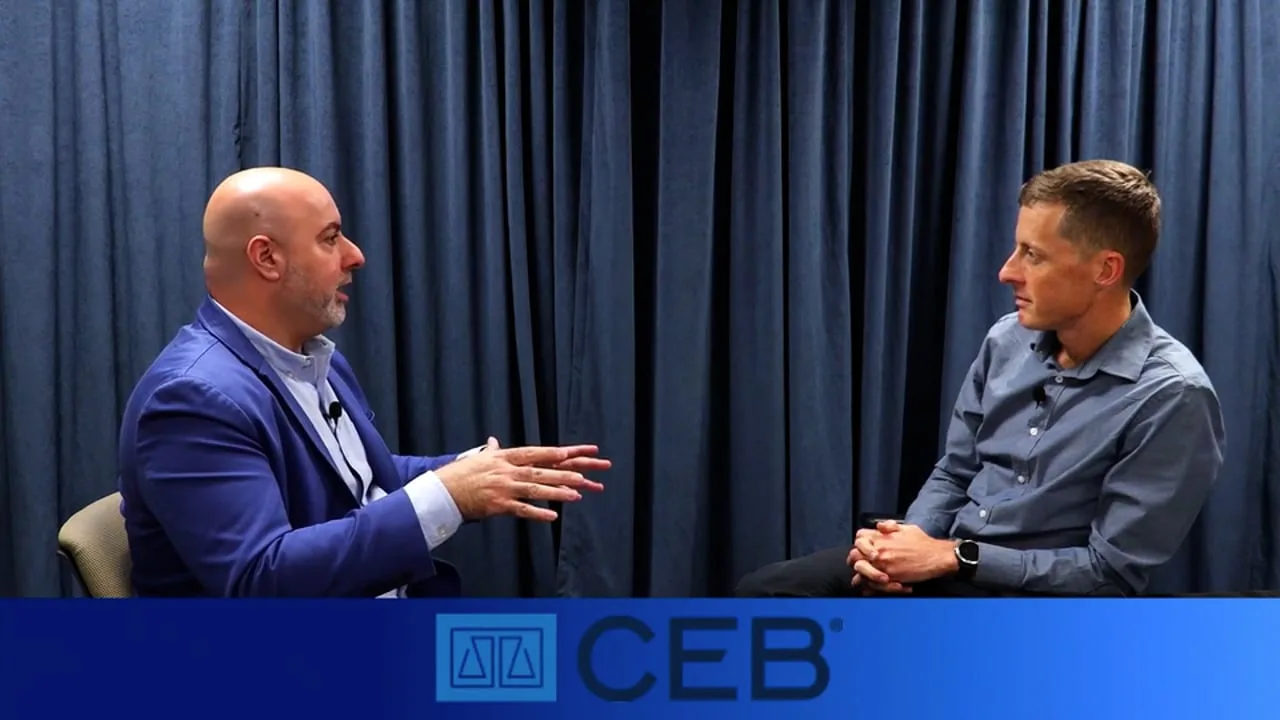
Associates tell you why they stay
Ask associates why they stayed, and the answers repeat: they could see where they were going, someone was teaching them, they had real work, their work was noticed, they liked the people, and the pay was fair. Ask why they left, and you hear the same list in reverse, plus one more reason: “nobody asked me.”
So keeping associates is mostly giving them those things on purpose. Give them a path they can see, a mentor who meets with them, real responsibility as soon as they can carry it, recognition that is specific and out loud, a firm they enjoy, fair pay reviewed on a schedule, and a conversation at least twice a year about what they want. Firms that do these seven things keep their associates.
Teach business development in year one
In David’s view, waiting for an associate to learn business development at partner is a mistake. Teach it from the first year, on a smaller scale: the twenty list, the lunches, the events, the newsletter and a subject to be known for. Give business development time inside the week, not after seven. Have a partner bring the associate along. When the associate brings in a first matter, run the intake process and decide with a reason. If the answer is yes, the associate’s name goes on it. If the answer is no, say why and send the client to someone good. The associate who is thanked for the first matter brings in a second.
Write the partnership track down
The path belongs in writing from the first year: what partner means at the firm, the billable expectation, and the half most firms leave unsaid. To move toward partner, an associate picks something beyond the hours and does it. The choices are wide: teach, serve on a board, connect, build, develop people, market the firm, or help with hiring and the budget. An associate who does not want the path is giving a good answer too, as long as the firm knows it.
Keep the mentoring program simple
A program is a mentor, a plan and a calendar. Each associate gets an assigned partner as mentor, not the partner they work for most. They meet monthly. The first meeting sets the year’s plan: one subject, one board or association, one workshop, a small twenty list and a number of lunches. In the first year the associate comes to three of the mentor’s lunches. In the second year the mentor comes to three of the associate’s. By the third firm event, the associate presents a segment.
Partners can learn to manage
Most partners were not taught to manage or to mentor. Managing well is mostly clarity: the assignment, the due date, what good looks like, and what the associate can decide alone. It means feedback that is early and specific, on the work and not the person, and delegation of the whole task. A couple of sessions with someone from outside can give a firm better associates without hiring any.
In the first ninety days of working together, our job is to find our fee, which means making or saving you more than you pay us. We start with an initial consultation and a paid assessment, then build a ninety-day plan and a twelve-month marketing calendar.
Why firms work with David
David’s law firm work at LexisNexis.
Inside the largest firms
For six years at LexisNexis, David Mitroff, Ph.D. worked with some of the largest law firms in the world and met attorneys across the San Francisco Bay Area. Many of them told him the same thing: I want to start my own firm. They knew how to practice law. What they wanted was everything else: what to offer, how to price, and above all, where the right clients come from. So he helped them open their doors, and he has been growing firms ever since.
Teaching lawyers
David has been an approved California MCLE provider and has delivered more than 300 MCLE workshops, webinars and presentations through Piedmont Avenue Consulting, Inc., LexisNexis, Continuing Education of the Bar (CEB) and the San Francisco Bar Association. He has been featured in California Lawyer magazine.
Wherever you practice
We work with law firms in New York, Los Angeles, Arizona, Orange County and the San Francisco Bay Area, and wherever your firm is located. Our main office is on Piedmont Avenue in Oakland, and we meet by video everywhere else.
Personal injury or patent, a solo office or a large partnership, the business side works the same way. We work with:
- Personal injury
- Patent and intellectual property
- Estate planning
- Elder law
- Family law
- Business and corporate
- Employment
- Real estate
- Bankruptcy
- Criminal defense
- Immigration
- Litigation
“McDowall Cotter started working with David Mitroff and right away things started to happen. We have managed to fill up our seminar rooms again, he has found us great new staff to run our marketing department, and business is booming. More than a marketing consultant, he is also a business confidant, helping us keep course on our goal to growth.”


Quick self-assessment
Score your law firm
Nine questions on the nine keys from David Mitroff, Ph.D.’s book Online Business Growth Strategies. Tap an answer for each one and watch your score move.
On the blog
Articles that go deeper on this chapter
Questions
Questions firms ask.
Why do law firm associates leave?
Law firm associates leave for the same reasons they stay, in reverse: no visible path, no one teaching them, no real work, no recognition, people they do not enjoy or unfair pay. The book adds one more reason associates give: nobody asked them.
When does law firm associate mentoring start teaching business development?
Law firm associate mentoring starts business development in the first year. The associate works on a smaller twenty list, lunches, events and the newsletter, with business development time inside the week and a partner bringing the associate along.
What does a law firm associate mentoring program include?
A law firm associate mentoring program is a mentor, a plan and a calendar. Each associate has an assigned partner mentor, a monthly meeting, and a yearly plan with one subject, one board, one workshop, a small twenty list and lunches.
What does a law firm’s written partnership track tell associates?
The partnership track belongs in writing from the first year: what partner means at the firm, the billable expectation, and the half most firms leave unsaid. To move toward partner, an associate picks something beyond the hours and does it, such as teaching, serving on a board, marketing the firm or helping with hiring and the budget. An associate who does not want the path is giving a good answer too.
What happens when an associate brings in a first matter?
When an associate brings in a first matter, the law firm runs the intake process and decides with a reason. If the answer is yes, the associate’s name goes on the matter. If the answer is no, the firm says why and sends the client to someone good. The associate who is thanked for the first matter brings in a second.

Take the next step
Schedule a call with David.
Creative strategies, hands-on implementation, and the personal commitment of a partner invested in your success.
Quotes on this page are from Law Firm Business Growth Strategies, Second Edition by David Mitroff, Ph.D. Header photo: Tony Webster, CC BY 2.0, via Wikimedia Commons.