

Field Guide Chapter 20
AI Does the Typing. You Keep the Thinking.
Artificial intelligence is a strong tool for any owner. In this chapter, David Mitroff, Ph.D. explains why the tool still needs your judgment, your eyes and your relationships.
The short answer
AI for small business works best as a helper, not a decision maker. Let AI research, sort and draft, and keep the judgment, the client relationships and the hard conversations for people. Piedmont Avenue Consulting, Inc. helps owners in the San Francisco Bay Area, Los Angeles, Orange County and New York set up tools, systems and marketing that save time without losing the human side.
From The 45 Day Consultant Field Guide
In the chapter titled “What AI Cannot See,” David Mitroff, Ph.D. writes:
“The limitation is not what it can produce. It is that you still have to know what to ask for. A vague question gets a vague answer that reads beautifully, which is worse than a bad answer because it is harder to notice.”
A smooth answer to a vague question can fool you. Before you open any tool, decide what problem you are solving and what a good answer would look like.
 (opens in a new tab)
Get the book on Amazon (opens in a new tab)
See every chapter
Myth vs fact
What owners believe about AI, and what the chapter says
“They will give you back hours every week. Just be clear about what you are giving them. Give them the typing, the drafting, the summarizing, the research. Keep the judgment, the relationships, and the room.”
From the chapter
How a client list changes with the market
In the book, David tells how his client list changes with the market. Some years most of his clients are construction companies, real estate developers, property managers, contractors and engineers. Then that industry slows, and suddenly most of his clients are lawyers. Then restaurants. At one point he had three large dim sum restaurants as clients at the same time. At another, a run of cannabis dispensaries.
The market also changes by place. What is happening in Northern California is not what is happening in Southern California, and California is not Florida. So David adjusts. What he does not change is the assessment. He follows his process, follows the system in the book, and adjusts the details for the wave he is in. His point is simple: the one constant is change, and the people who last are the ones who planned for change.
Tools and markets will keep changing, so keep one steady process and adjust the details for each wave.
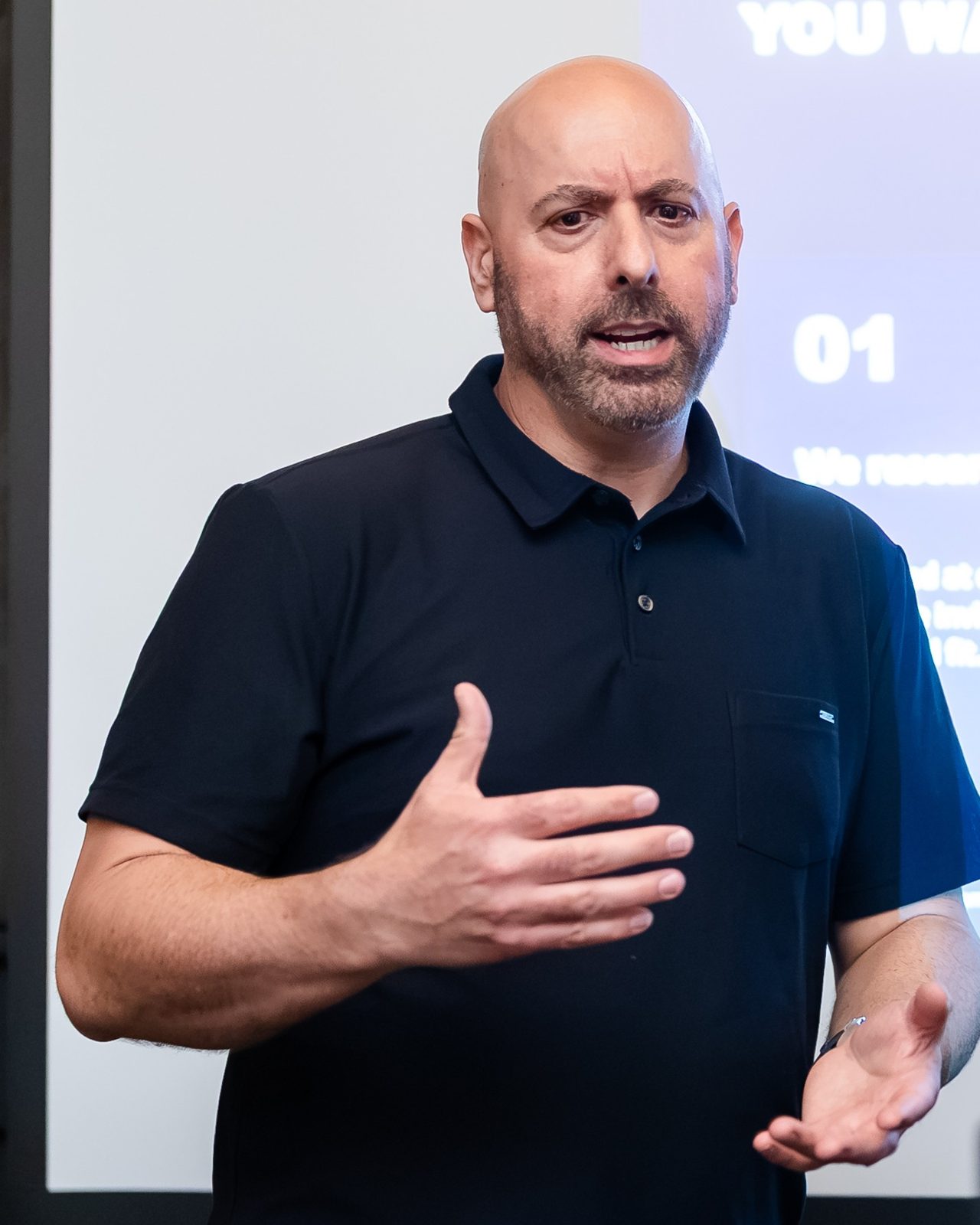
How one office runs AI
Clear rules make AI safe to use
David writes that the rules are the point. Here is how AI works in his office, in plain terms.
AI may do the prep work
AI may research, sort, draft, prepare calendar holds, keep logs and suggest next steps on its own. That is the work that eats a week.
AI drafts and does not send
AI does not send an outside email, an agreement or a price. A person reads every output before a client sees the work, and that person clicks send.
AI does not make things up
AI must not invent a fact, a number, a credential, a price, a date or who said what. When the tool does not know, the tool says so.
People review three times a day
A person checks the drafts in the morning, at midday and thirty minutes before the day ends, so nothing sits overnight.
People still build the relationships
Reading the room, noticing who went quiet when a number came up, and saying the difficult thing in a way somebody can accept all stay with people.
Put it to work
Your AI checklist for this quarter
Use these steps from the chapter to get value from AI without giving away your judgment.
- Audit the tools you already use and note what is missing, what is repeated and what nobody opens.
- Start small and test one tool at a time, then gather feedback from the people who use the tool.
- Document your systems and train the team so the tools actually get used.
- Give AI the typing, the drafting, the summarizing and the research.
- Keep the judgment, the relationships and the final decision with a person.
- Write down what AI may do on its own and what always needs a human check.
- Walk your own customer journey in person at least once, the way a customer would.
- Every quarter, look at which industries you serve are growing and which are shrinking.
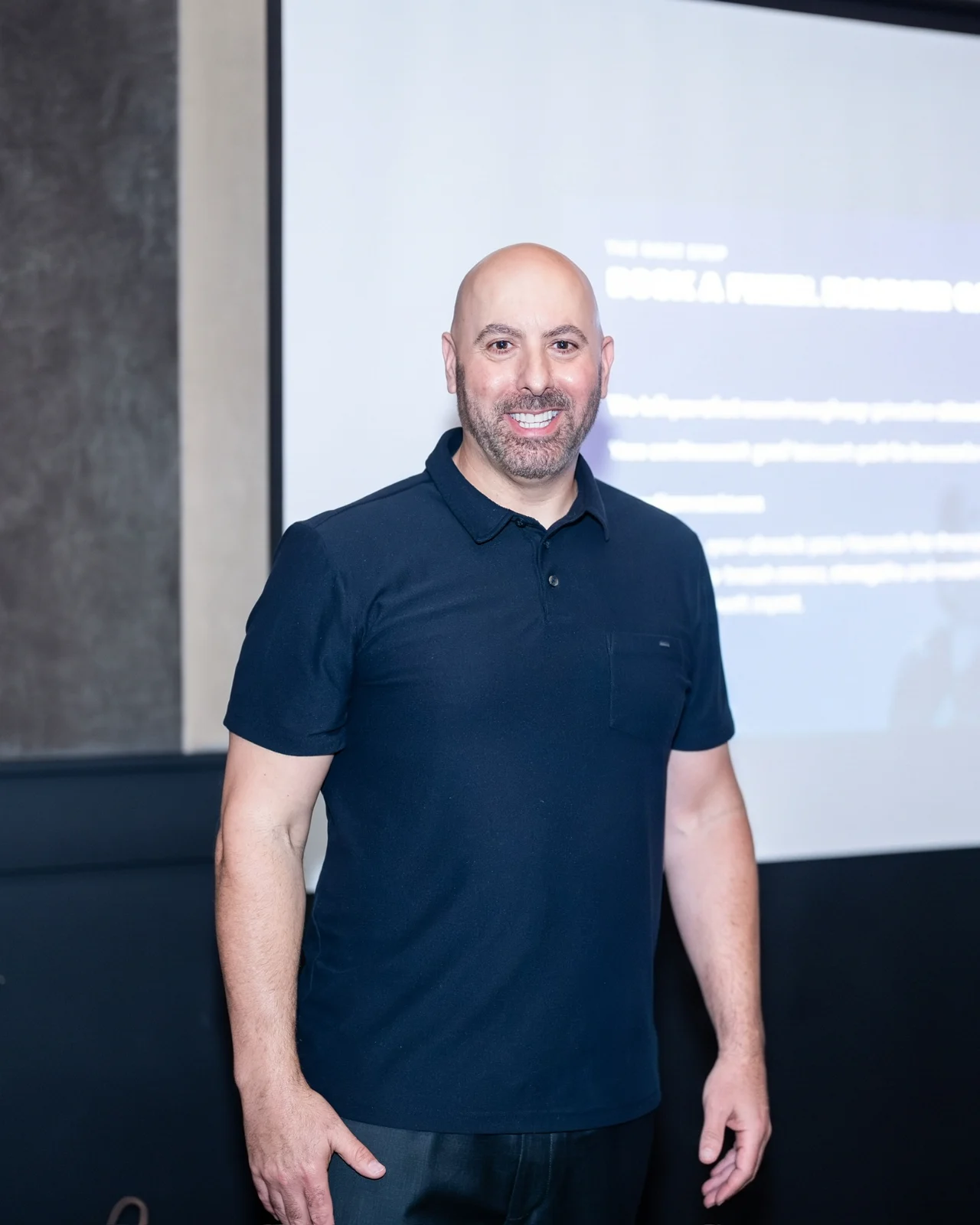
David can speak on this topic
A keynote talk based on this chapter
This chapter is also a keynote talk by David Mitroff, Ph.D. Audiences go home knowing which work to hand to AI, which work to keep, and how to set simple rules so the team uses the tools well.
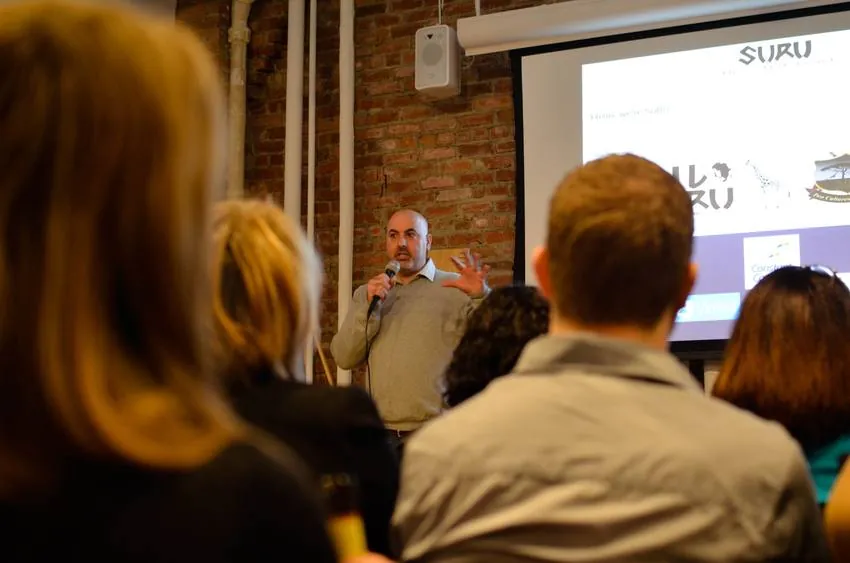
Every chapter of The 45 Day Consultant Field Guide is also a keynote talk. David gives these talks to companies, associations, conferences and leadership teams.
David also gives a related keynote, Digital Leadership: How to Become a Leader in the 21st Century, on leading people and making good decisions while technology changes how work gets done. See his keynote programs (opens in a new tab)
A real result
How this idea worked for a client
Some of the most valuable work needs people in the room. Granite Wellness Centers won a new $2 million grant, and our team wrote the grant application, trained the executive leadership team and led an all-staff training.
 NonprofitA new $2 million grant
Granite Wellness Centers won a new $2 million grant. We wrote the grant application, trained the executive leadership team and led an all-staff training.
Read the case studyTestimonials
What our clients say
“Right away things started to happen. We have managed to fill up our seminar rooms again, he has found us great new staff, and business is booming. More than a marketing consultant, he is also a business confidant […]”

“David was very helpful with structuring online marketing for my business. He presented clear ideas and strategy that was totally relevant for my dental office. His innovative thinking helps me to think outside the box.”

“We worked with Piedmont Avenue Consulting to implement new sales processes and launch a successful customer loyalty program. As a result, we have dramatically increased revenues from catering events and ‘front of mind’ sales.”

How it works
How we work: call, assessment, plan.
Schedule a call
Tell us where the business is today and where you want it to be.
Assessment
We look at your numbers, marketing, team and operations.
90-day plan
Three to five initiatives with owners and dates, plus a 12-month marketing calendar.
Ongoing initiatives
We stay on as a long-term partner and keep the plan moving.
In the first 90 days, our job is to find our fee: make or save you more than you pay us.
On the blog
Articles that go deeper on this chapter
Keep reading
More chapters from the Field Guide


Questions
Questions owners ask
Should a small business owner use AI?
Yes. David Mitroff, Ph.D. uses AI constantly and tells owners to use the tools hard for typing, drafting, summarizing and research. The owner keeps the judgment, the relationships and the final decision.
What should AI never do for a business without a human check?
In the office David Mitroff, Ph.D. describes, AI drafts but does not send. AI does not send an outside email, an agreement or a price, and AI never invents a fact, a number or a date. A person checks every output before a client sees the work.
Why can a polished AI answer be risky?
A vague question gets a vague answer that reads well, and a smooth wrong answer is harder to spot than a clumsy one. David Mitroff, Ph.D. says the tool sounds so certain that the person using the tool needs more judgment, not less.
Can AI map a customer journey?
AI can draw a sensible diagram of a customer journey. David Mitroff, Ph.D. still walks the journey in person, the way a customer would, to find where the process is confusing, slow or likely to make somebody give up.
How often should a team review AI drafts?
In the office David Mitroff, Ph.D. describes, a person reviews AI work three times a day: in the morning, at midday and thirty minutes before the day ends. That rhythm means nothing sits overnight.
Where should an owner start with AI tools?
Start small. Audit the tools the team already uses, then test one new tool at a time and gather feedback. Document the system and train the team. Piedmont Avenue Consulting, Inc. helps with this kind of work through streamlining operations.
How does working with Piedmont Avenue Consulting, Inc. begin?
First, schedule a call with Piedmont Avenue Consulting, Inc. Next comes a paid assessment, then a 90-day plan with three to five initiatives and a twelve-month marketing calendar, then ongoing work together. In the first 90 days, our job is to find our fee: make or save the client more than the client pays us. Read more about our approach.
Work with us
Schedule a call about AI in your business
In the first ninety days of working together, our job is to find our fee, which means making or saving you more than you pay us. We start with an initial consultation and a paid assessment, then build a ninety-day plan and a twelve-month marketing calendar.
One conversation and a clear next step.