

Field Guide, Chapter Eleven
How to build client trust in business.
One question, asked at the right time, can matter more than every project on the invoice. These are the stories behind that idea.
The short answer
Building client trust means following your process, ending work that is not working, and caring about the client beyond the contract. Piedmont Avenue Consulting, Inc. helps owners in the San Francisco Bay Area, Los Angeles, Orange County and New York grow with better systems, marketing and leadership, built on relationships that last for years.
From The 45 Day Consultant Field Guide
In the chapter titled “Trust Is the Product,” David Mitroff, Ph.D. writes:
“The plainer reason is that I do not want to be working with people who do not like me or are not happy, and I do not think they want to be around me if I am not happy either. The agreement gets you started. What keeps you there is that both of you still want to be.”
A signed agreement does not make a good relationship. Clients stay when both sides still want to work together, so watch for that, not only for the end date.
 (opens in a new tab)
Get the book on Amazon (opens in a new tab)
See every chapter
The story at the heart of the chapter
The question nobody hired him to ask
In the book, David tells about a client he worked with for more than three years. The client owned several companies with hundreds of employees and worked extremely hard. About six months in, David asked why. What drives you? The answer was the children: to provide for them and take care of them, now and in the future.
David asked if there was an estate plan. There was not. David had been hired to clean up systems and processes, run the marketing, help hire and train new leadership, and run quarterly reviews. None of that was an estate plan. Still, he offered to introduce an estate planning attorney he knew. The client said they would get to the plan later.
A month or two later, David raised the plan again and sent the introduction on the spot, by text and by email. The client had a good call with the law firm, then stalled on the paperwork. David kept asking. About a year after he first raised the question, they went to the meeting together and the estate plan got done. David did not say I told you so.
Three or four years later, the client died. The obituary used a photo from a shoot David had arranged, and David knew the family was taken care of, because the estate plan was done. He writes that out of everything he did for that client, this was the greatest thing, for the family and for the business too.
Raise the thing the client did not hire you for, make the introduction, and follow up until the job is done.
“Out of all of it, that was the greatest thing I did for that person, for their family, and for the business too, because having those things set up is what keeps the business and the employees going when the owner is gone. The contract is what you are hired for. The relationship is why you ask the question.”
When to walk away
Turning down the job, and other hard choices
David was once hired to assess a huge, beautiful restaurant that was losing millions a year. He found menus that changed with what the chefs felt like, two answers to how a dish was served, and nobody talking across the business. His advice was simple. Once a month, everyone who runs a piece of the place meets in one room and decides how things work and who owns each part.
The owners said no, because some employees did not like each other. Then they offered David a great deal of money to work with them anyway. He said no. Without that meeting, they would be in the same place in ninety days, and he would have taken their money for it. Six months later, the restaurant closed. David writes that taking a fee for work he knew would not work is unethical.
A different story ended well. A long-term client referred David to a partner company that paid a large retainer. Within thirty to forty-five days, he saw that one team member was a bad fit for the company itself. He told leadership he could not continue unless things changed, and they declined. Three years later, that employee was gone, the company invited David back, and he helped them scale.
David also tells on himself. About once a year, he skips his own process. A man who rented the whole top floor of a famous building refused to pay for an assessment, and David went to see the space anyway, knowing he was breaking his rules. The man never hired him. The lesson: follow your process, and if you break the process on purpose, know why.
Habits that build trust
Six habits for building client trust
Each habit comes from the chapter, and each one works whether you run a firm or serve clients inside a company.
Follow your own process
Screen the client, do an assessment, review the findings, and only then move forward. Things tend to fall apart when you skip steps for an eager client.
End what is not working
Say so early and end the work cleanly. David has given money back and stopped charging rather than hold an unhappy client to a contract.
Read slower with friends
With neighbors and friends, go through the agreement in more detail than you would with a stranger, so both sides know exactly what was agreed.
Say the awkward part early
Tell people up front that a quick wave into the shop to fix something is a conversation about scope, not a favor owed for the rest of your life.
Keep confidences completely
What you learn inside one company never travels to another company. Clients trust the person who keeps their private details private.
Watch the energy that comes back
When you bring ideas and effort, notice if the client brings effort too. If a client does not want to change, hard work on your side will not change that.
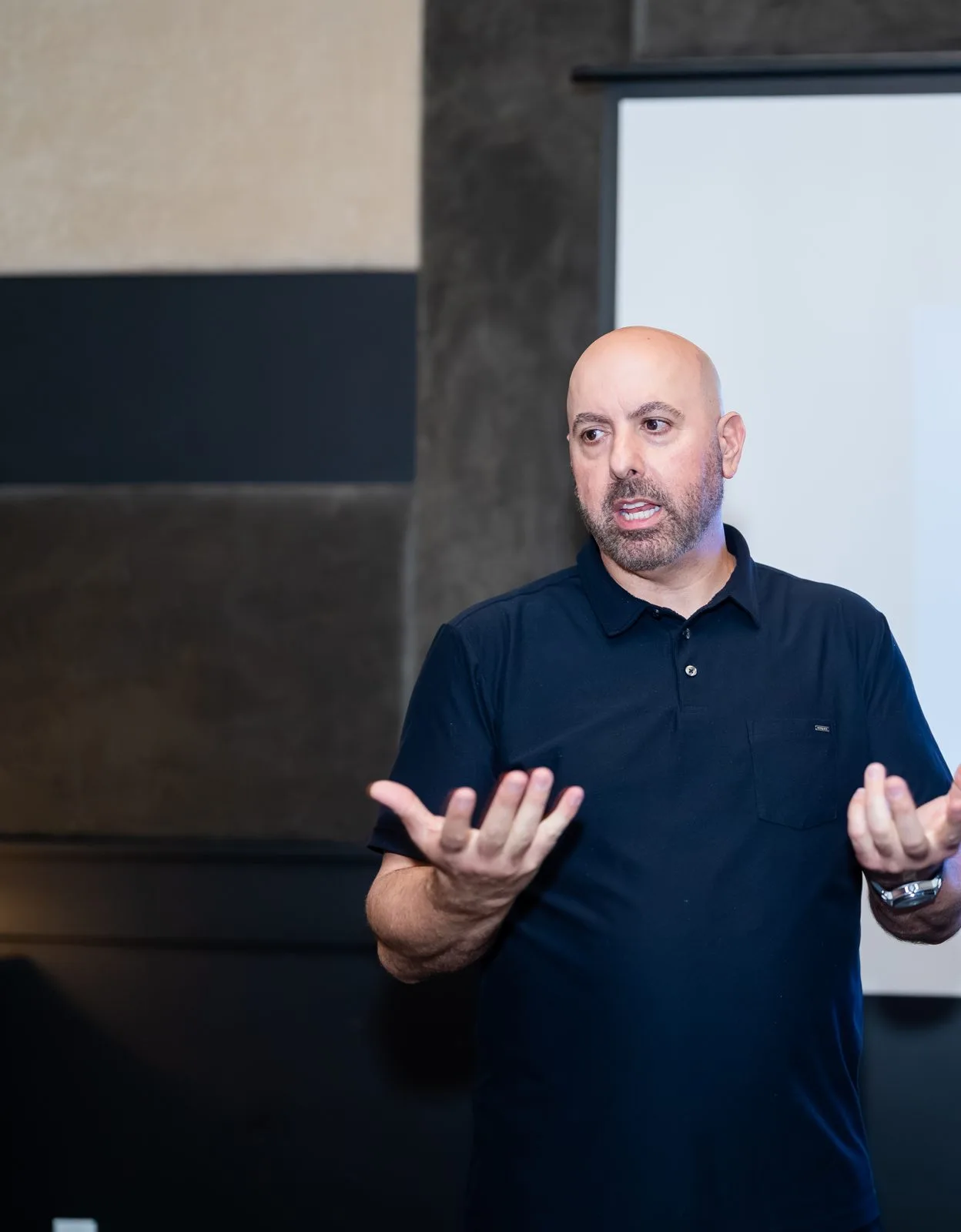
David can speak on this topic
A keynote talk based on this chapter
Trust Is the Product is also a keynote talk David gives. Audiences take home a simple test for when to follow the process, when to end the work, and when to ask the bigger question.
Every chapter of The 45 Day Consultant Field Guide is also a keynote talk. David gives these talks to companies, associations, conferences and leadership teams.
David also gives a related keynote, Online Reputation Management, on how reviews, search results and what clients say about you build trust before the first call. See his keynote programs (opens in a new tab)
A real result
How this idea worked for a client
Moler Barber College grew from one location to five through planning, site selection, build-out, hiring and training. Work at that scale runs on the same rule as this chapter: follow the process, one step at a time.
 EducationOne school to five
Moler Barber College grew from one location to five, from planning and site selection through build-out, hiring and training, with each school up and running.
Read the case studyTestimonials
What our clients say
“Right away things started to happen. We have managed to fill up our seminar rooms again, he has found us great new staff, and business is booming. More than a marketing consultant, he is also a business confidant […]”

“David was very helpful with structuring online marketing for my business. He presented clear ideas and strategy that was totally relevant for my dental office. His innovative thinking helps me to think outside the box.”

“We worked with Piedmont Avenue Consulting to implement new sales processes and launch a successful customer loyalty program. As a result, we have dramatically increased revenues from catering events and ‘front of mind’ sales.”

How it works
How we work: call, assessment, plan.
Schedule a call
Tell us where the business is today and where you want it to be.
Assessment
We look at your numbers, marketing, team and operations.
90-day plan
Three to five initiatives with owners and dates, plus a 12-month marketing calendar.
Ongoing initiatives
We stay on as a long-term partner and keep the plan moving.
In the first 90 days, our job is to find our fee: make or save you more than you pay us.
On the blog
Articles that go deeper on this chapter
Keep reading
More chapters from the Field Guide


Questions
Questions owners ask
What does building client trust mean for a business owner?
Building client trust means clients believe you will tell them the truth and act in their interest. For David Mitroff, Ph.D., trust comes from following a clear process and caring about the person behind the business.
Why does Piedmont Avenue Consulting, Inc. follow a set process with new clients?
Piedmont Avenue Consulting, Inc. screens each client, does an assessment, reviews the findings, and only then moves forward. When steps get skipped for an eager client, the work tends to fall apart.
What should a consultant do when an engagement is not working?
Say so early and end the work cleanly. David Mitroff, Ph.D. has given money back and stopped charging rather than hold an unhappy client to a signed contract.
Should a consultant ever turn down paid work?
Yes. David Mitroff, Ph.D. turned down a large restaurant job because the owners would not hold the monthly meeting the plan needed. He saw taking a fee for work that would not succeed as unethical.
How should owners handle agreements with friends and neighbors?
Read the agreement more slowly, not less. David Mitroff, Ph.D. goes through each line with friends and neighbors, so both sides know exactly what was agreed.
Does Piedmont Avenue Consulting, Inc. raise issues outside the scope of work?
Yes. Piedmont Avenue Consulting, Inc. brings up the things a client did not hire the team for, makes introductions instead of referrals, and follows up until the task gets done.
How does working with Piedmont Avenue Consulting, Inc. begin?
Working with Piedmont Avenue Consulting, Inc. begins with a call, then a paid assessment, then a 90-day plan with three to five initiatives and a twelve-month marketing calendar. Learn more about our approach.
Work with us
Schedule a call about building client trust
In the first ninety days of working together, our job is to find our fee, which means making or saving you more than you pay us. We start with an initial consultation and a paid assessment, then build a ninety-day plan and a twelve-month marketing calendar.
One conversation and a clear next step.