

Field Guide, Chapter Eight
How to have hard conversations with clients
Not every engagement works. Saying so early, clearly and kindly is a skill, and you can learn it.
The short answer
Hard conversations with clients go best when you say the difficult thing once, clearly, and then let the client decide. Clear scope, honest endings and a named second project protect the relationship. Piedmont Avenue Consulting, Inc. helps owners in the San Francisco Bay Area, Los Angeles, Orange County and New York grow with clear plans and honest talk.
From The 45 Day Consultant Field Guide
In the chapter titled “Hard Conversations That Keep Clients,” David Mitroff, Ph.D. writes:
“Say the difficult thing once, clearly, and then let it be their decision. An owner who wants to get unstuck can, and I can help. I cannot want it for them.”
Your job is to say the hard thing clearly. The decision still belongs to the owner, and change only happens when the owner wants the change.
 (opens in a new tab)
Get the book on Amazon (opens in a new tab)
See every chapter
Before the hard talk
A checklist for hard conversations with clients
Use this list before your next difficult meeting with a client, a manager or a colleague. Each point comes from the chapter.
- Book the scoping meeting before you build anything for someone who has not hired you.
- Say out loud, and early, when an engagement is simply not the right fit.
- Tell whoever hired you when a day-to-day pairing is not working, and say that the other person is still a good person.
- Say the difficult thing once, clearly, and then let the owner decide.
- Accept the answer when the owner disagrees, because the business and the call belong to the owner.
- Use a real intake process with questions up front, an assessment and a small first project, so fewer engagements go wrong.
- Name a second project the first time the client brings one up.
- Scope and price a second project like any other project.
- When you give something away, say so out loud.
- Bring the plan, not only the problem, to the conversation.
“The lesson is not to be less eager. It is to point the eagerness at the right step. The right move that Thursday was to book the scoping meeting sooner, not to start building.”
The website nobody saw
David’s story about the order of client work
In the book, David tells about meeting somebody on a Thursday who wanted a website. They agreed to meet the next week to work out what the person wanted and what the work would cost. David got excited and spent the whole weekend building a real website, not a sketch, for a person who had not hired him.
The next week, the person said they had decided to go in a different direction. Nobody ever saw the site. David had built the site from a version of the business he imagined over two days, before anyone agreed to anything. He enjoyed the work and learned something about the software, and that was all he got from the weekend.
The lesson is not to be less eager. The lesson is to aim that energy at the right step. On that Thursday, the right move was to book the scoping meeting sooner. Work that arrives before the agreement teaches the other person that your time costs nothing, and that is a fast way to spend forty hours on nothing.
Agree on the work first, then do the work.

Ending well
Three ways to end an engagement well
David does not think of this as firing a client. Something is not working, both sides know, and the job is to end the work in a way that leaves everybody intact.
A handoff
This is the best way. Find someone better suited, call them ahead of time and confirm they are willing. Then tell the client, and sometimes sit in on the first meeting to hand over properly.
Honest drift
Your work has moved toward one kind of engagement and away from another, and this one is on the wrong side of that line. Saying so plainly is easier than pretending.
Price
If your rate is going up and the engagement is not worth the new number to the client, both sides can reach the same answer at the same time, calmly.
The owner’s test
Whichever way you choose, end the engagement the way you would want the work ended if the business were yours.
The second project trap
When good advice turns into a bid you lose
David writes about a trap that has cost him real money. During a big engagement, the client mentions another, unrelated project and asks what you think. You answer, again and again, for weeks. Six months later the client asks for a proposal to compare you against two other firms, who are now using the thinking you gave away.
The fix is one friendly sentence, said the first time the project comes up: since we already work together, I am happy to share my thinking, with the understanding that we would do the project together when the project is ready. Most clients agree right away. The ones who hesitate have told you something useful. Then give the project its own scope, price and start date, often as a paid assessment or a small first piece of work.
Hard talks do not always end a relationship for good. David once told a client that a person on the team was not right for the company. The client disagreed, and the engagement ended. Some time later that person was gone, the client called back and said the person had been the problem, and they picked up where they left off.
From the full book
What The 45 Day Consultant adds
The Field Guide builds on David’s full book, The 45 Day Consultant. In the chapter titled “Setting Up the Business”, he writes:
“A client asking what their business is worth is asking a question with a real answer, and pointing them to the person who can produce it is the same job as pointing them to the immigration attorney or the employment attorney. Knowing the edge of your own knowledge is what makes the rest of your advice trustworthy.”
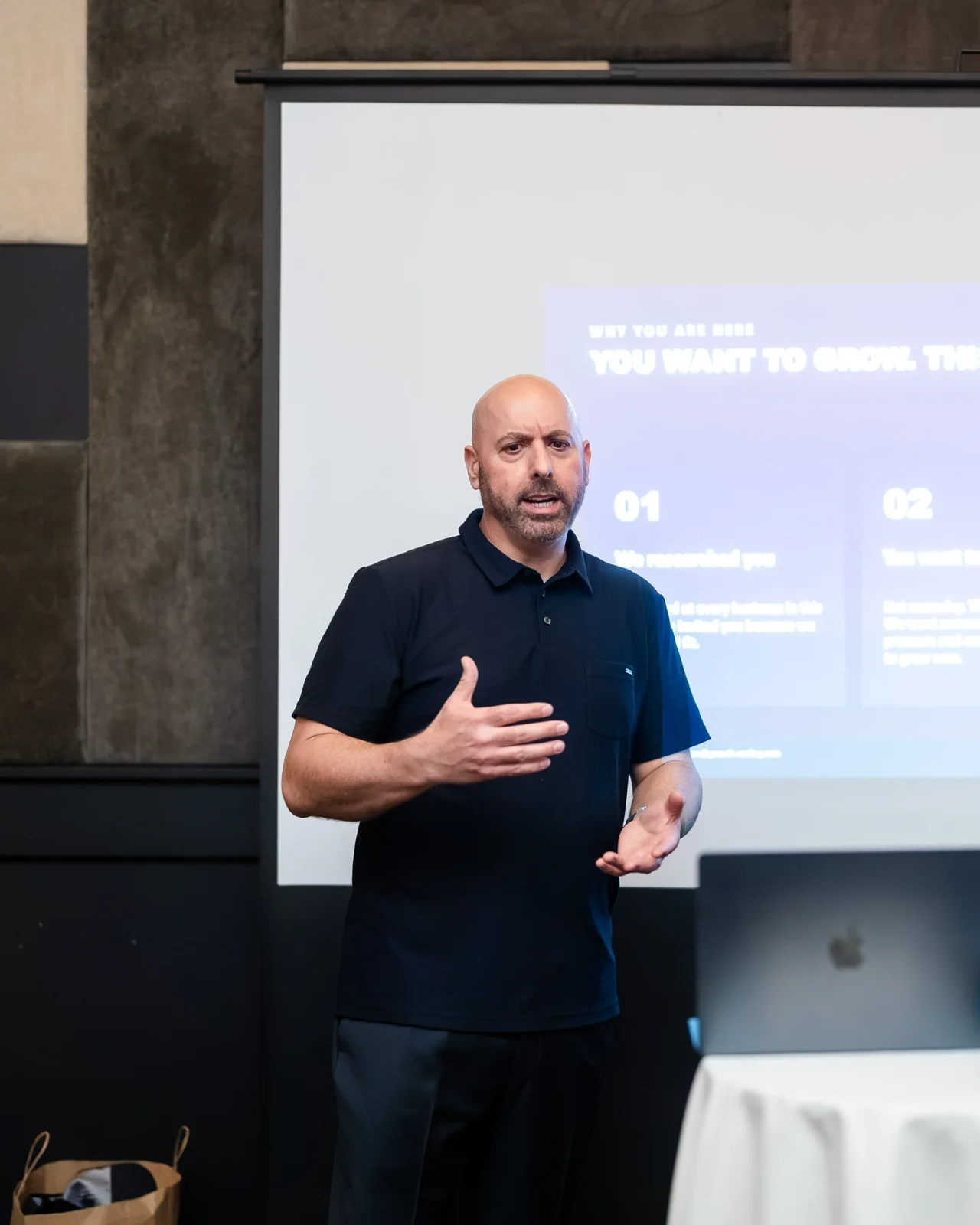
David can speak on this topic
A keynote talk based on this chapter
Hard Conversations That Keep Clients is also a keynote talk. Audiences take home words for the difficult moment, three clean ways to end an engagement, and one sentence that protects the second project.
Every chapter of The 45 Day Consultant Field Guide is also a keynote talk. David gives these talks to companies, associations, conferences and leadership teams.
David also gives a related keynote, The Why Behind Leadership: How Psychology Drives Influence and Decision Making in the Workplace, on how psychology shapes influence, conversations and decisions at work. See his keynote programs (opens in a new tab)
A real result
How this idea worked for a client
Clear scope matters most when the work grows. Moler Barber College grew from one location to five, with our team helping on planning, site selection, build-out, hiring and training.
 EducationOne school to five
Moler Barber College grew from one location to five, from planning and site selection through build-out, hiring and training, with each school up and running.
Read the case studyTestimonials
What our clients say
“Right away things started to happen. We have managed to fill up our seminar rooms again, he has found us great new staff, and business is booming. More than a marketing consultant, he is also a business confidant […]”

“David was very helpful with structuring online marketing for my business. He presented clear ideas and strategy that was totally relevant for my dental office. His innovative thinking helps me to think outside the box.”

“We worked with Piedmont Avenue Consulting to implement new sales processes and launch a successful customer loyalty program. As a result, we have dramatically increased revenues from catering events and ‘front of mind’ sales.”

How it works
How we work: call, assessment, plan.
Schedule a call
Tell us where the business is today and where you want it to be.
Assessment
We look at your numbers, marketing, team and operations.
90-day plan
Three to five initiatives with owners and dates, plus a 12-month marketing calendar.
Ongoing initiatives
We stay on as a long-term partner and keep the plan moving.
In the first 90 days, our job is to find our fee: make or save you more than you pay us.
On the blog
Articles that go deeper on this chapter
Keep reading
More chapters from the Field Guide




Questions
Questions owners ask
How should an owner start a hard conversation with a client?
Say the difficult thing once, clearly, and then let the client decide. David Mitroff, Ph.D. also teaches owners to bring the plan, not only the problem, to the conversation.
What should a consultant do when a working pairing fails?
Go back to whoever hired you and say so plainly: this is a good person, and this pairing is not working. David Mitroff, Ph.D. treats a poor fit as nobody’s fault.
What is the best way to end a client engagement?
A handoff is the best way. David Mitroff, Ph.D. finds someone better suited, confirms that person is willing, and sometimes sits in on the first meeting so nobody is left without help.
What is the second project trap?
The trap happens when a client keeps asking for advice on an unrelated project and later asks other firms to bid. David Mitroff, Ph.D. avoids the trap by naming the project early and giving the project a scope, a price and a start date.
Why should a business owner avoid doing work before an agreement?
Work done before an agreement teaches the other person that your time costs nothing. David Mitroff, Ph.D. once spent a whole weekend building a website for someone who never hired him.
Why do fewer engagements go wrong later in a career?
Early on, people let the wrong clients hire them because they need the work. A real intake process with questions, an assessment and a small first project fixes that. Piedmont Avenue Consulting, Inc. starts new work with a call and a paid assessment.
Can a client relationship survive a disagreement?
Yes. David Mitroff, Ph.D. once told a client that a team member was not right for the company. The engagement ended, and later the client called back, said that person had been the problem, and the work started again.
Work with us
Schedule a call about keeping your clients
In the first ninety days of working together, our job is to find our fee, which means making or saving you more than you pay us. We start with an initial consultation and a paid assessment, then build a ninety-day plan and a twelve-month marketing calendar.
One conversation and a clear next step.