

Revenue, profit and cash
How to Grow Revenue and Keep More of It
Start with the money already leaving the business. Then look at price, profit, cash and the customer who comes back.
The short answer
To increase business revenue, first find the money you already spend without a good reason, then raise prices with care, watch cash timing and grow the value of each customer over time. Piedmont Avenue Consulting, Inc. helps owners with cost reviews, pricing, marketing and customer loyalty across the San Francisco Bay Area, Los Angeles, Orange County and New York.
From The 45 Day Consultant Field Guide
In the chapter titled “Revenue Is What People See,” David Mitroff, Ph.D. writes:
“High sales do not mean you are making money. Revenue is what people see. Profit is what you keep.”
A big sales number can hide a business that keeps very little. Owners make better choices when they track what stays after the bills are paid.
 (opens in a new tab)
Get the book on Amazon (opens in a new tab)
See every chapter
A practical path
Six steps to more money in the business
Before David talks about growing revenue, he looks at what is going out the door. That money is faster to find, and the savings help pay for everything else.
Review the costs you stopped watching
Ask when you last checked card processing rates, payroll fees, insurance, including workers’ compensation, and the platforms you pay for. Most owners say not since they signed up.
Run a monthly sweep
Each month, have someone read the statements and cut one recurring charge. Look for subscriptions nobody opens, tools that replaced other tools, and licenses for more people than you have.
Pay more where the better tool pays back
Some software has added features you are not paying for. A better point of sale tier can show what sells on a Tuesday at nine and which items carry the margin.
Raise your prices on purpose
Ask when you last raised prices, and on what. A restaurant reviews food cost and labor cost. A hotel reviews average daily rate and revenue per available room.
Plan for cash timing
Profit on paper is not cash in the bank. Deposits, retainers, payment schedules, cancellation policies and clear service agreements keep the business paid while the work gets done.
Grow the value of each customer
Measure what a customer spends across the whole relationship, not one sale. Then build service, follow-up and loyalty around the customers who return and refer others.
“The question is wider than what can we cancel. It is what are we paying for and not using, and what are we using that would pay us back if we bought the better version.”
Know the difference
Revenue, profit and cash are not the same
Revenue is the money the business earns from sales. Profit is what remains after the costs of making those sales. Cash is the money on hand when payroll, rent, taxes, vendors and insurance are due. In the book, David explains that two companies with the same revenue can be completely different businesses to run.
One company may have strong margins, repeat customers and a team that delivers without the owner. The other may accept every project, underprice the work, pay heavily for new customers and depend on the owner to fix every problem. A construction company can have profitable projects and still feel pressure, because the company pays workers and suppliers before the next draw arrives.
Lifetime value changes how you judge marketing. David gives a simple example. Spending five hundred dollars to win a customer who buys once for two hundred dollars is hard to justify. Spending the same amount on a customer who stays five years and brings ten thousand dollars in revenue may be an excellent investment. The marketing cost did not change. The understanding of the customer did.
From the book
Let customers try your best product
David built a customer loyalty program for Ben & Jerry’s in Northern California, and he keeps seeing the same lesson. Loyalty is rarely bought with a discount. Loyalty is built by giving people something small they will come back for.
A Persian restaurant he knows brings a small Shirazi salad of cucumber, tomato and onion with lemon to the table before anyone orders. The salad costs the restaurant very little. Guests remember the salad, order the dish next time and tell their friends.
His favorite example is a dim sum restaurant. On Sundays, when the room is full, the carts carry a two-piece serving of Peking duck. Once one table orders the duck, every table does, because they see the duck go by. During the week, the people who tasted two pieces on Sunday come back and order the whole duck.
Find the thing people would come back for, and offer a small version of your best thing early.
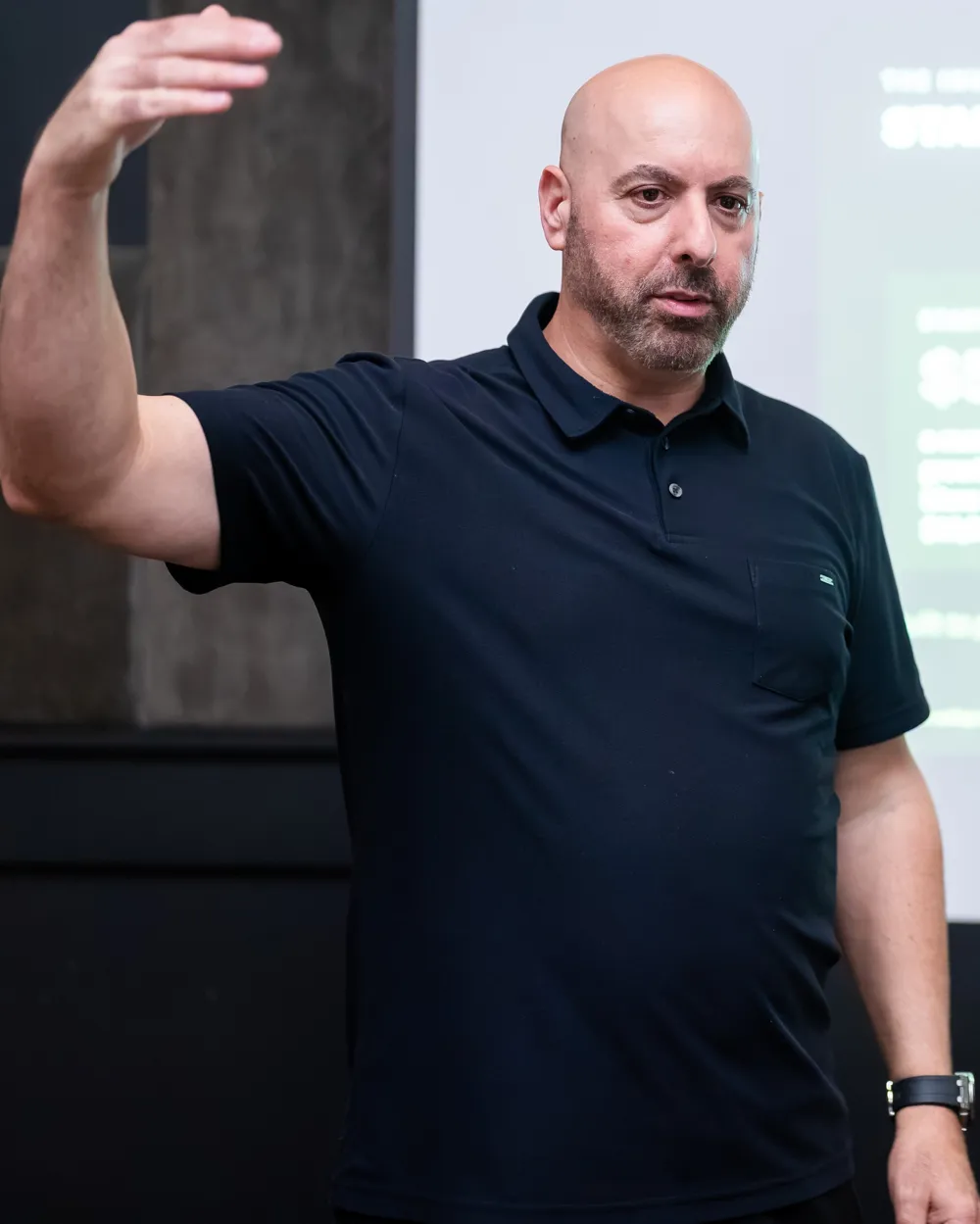
The numbers nobody else can know for you
Learn the few numbers that run your industry
Years into running businesses, David went back and took accounting for managers, so he could read what his accountants handed him. Every owner needs the basics, plus the numbers of their own industry.
Every business
The basics apply everywhere: profit and loss, cost of goods sold, inventory, the cost to win one new customer, and what a customer is worth over the whole relationship.
Restaurants
A restaurant lives on food cost and labor cost. Those two numbers decide how much of each sale the owner gets to keep.
Hotels
A hotel tracks occupancy, average daily rate (ADR) and revenue per available room (RevPAR), which shows what every room earned, sold or not.
Dental practices
A dentist knows what each chair produces in a day. That one number gives the practice a clear picture of the schedule and the results.
Online sellers
A business selling on the big online marketplaces watches total advertising cost of sales, or TACoS: every advertising dollar as a share of every sales dollar.
From the full book
What The 45 Day Consultant adds
The Field Guide builds on David’s full book, The 45 Day Consultant. In the chapter titled “What Is a Consultant?”, he writes:
“It cuts the other way too. Revenue goes up and down, a strong year is followed by a quiet one, and the money does not arrive evenly, so plan for it: know your numbers, keep a reserve, and do not spend the big check the week it lands.”
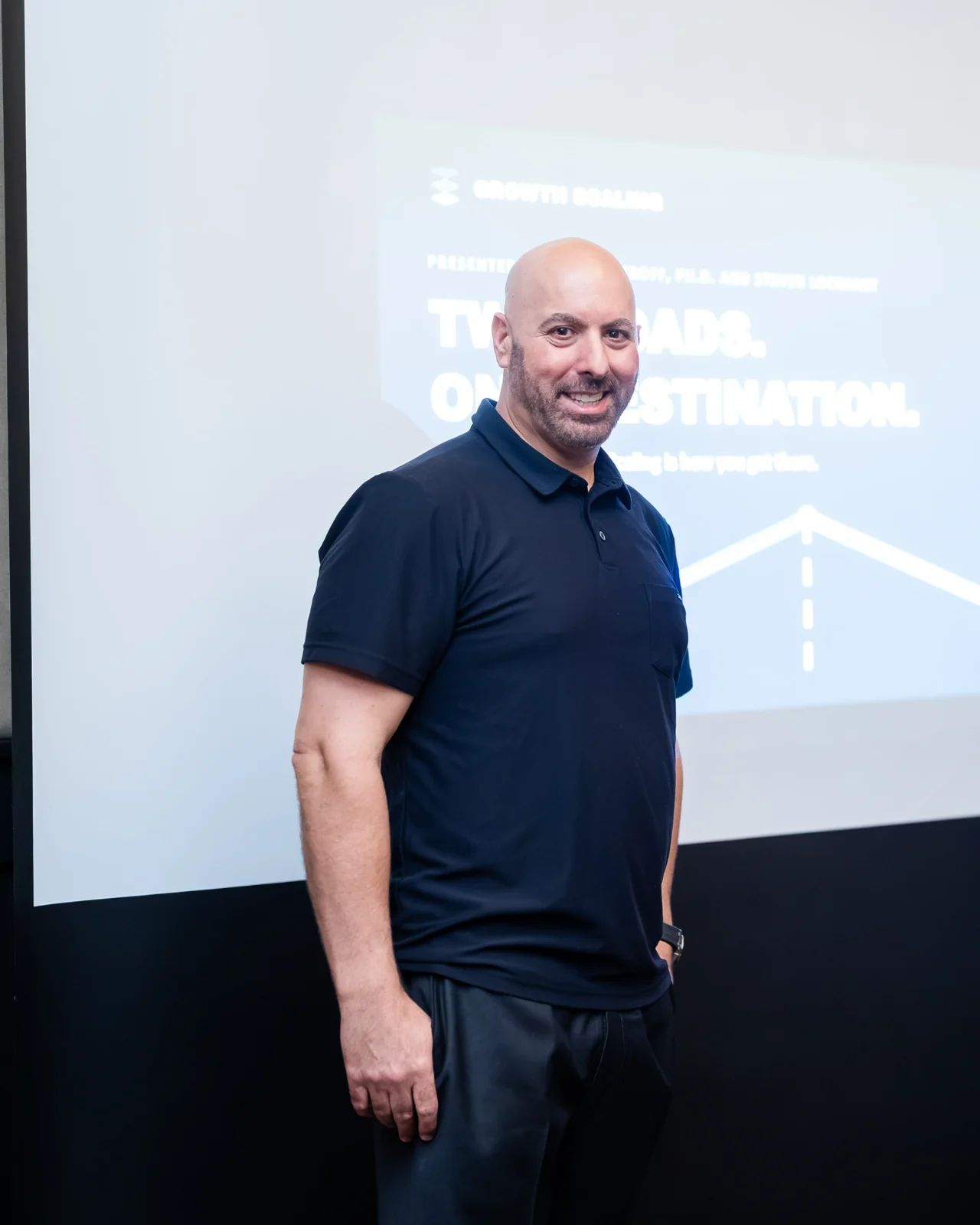
David can speak on this topic
A keynote talk based on this chapter
Revenue Is What People See is also a keynote talk. Audiences take home the monthly sweep habit and a clear way to tell revenue, profit and cash apart.
Every chapter of The 45 Day Consultant Field Guide is also a keynote talk. David gives these talks to companies, associations, conferences and leadership teams.
David also gives a related keynote, Consulting Success: How to Start and Grow a Consulting Business, built for solo and boutique consultants, coaches and professionals who want to build a brand, attract clients and grow revenue. See his keynote programs (opens in a new tab)
A real result
How this idea worked for a client
Moler Barber College grew from one location to five, with our help on planning, site selection, build-out, hiring and training. Growth like that holds up best when the owner knows how money moves through each location.
 EducationOne school to five
Moler Barber College grew from one location to five, from planning and site selection through build-out, hiring and training, with each school up and running.
Read the case studyTestimonials
What our clients say
“Right away things started to happen. We have managed to fill up our seminar rooms again, he has found us great new staff, and business is booming. More than a marketing consultant, he is also a business confidant […]”

“David was very helpful with structuring online marketing for my business. He presented clear ideas and strategy that was totally relevant for my dental office. His innovative thinking helps me to think outside the box.”

“We worked with Piedmont Avenue Consulting to implement new sales processes and launch a successful customer loyalty program. As a result, we have dramatically increased revenues from catering events and ‘front of mind’ sales.”

How it works
How we work: call, assessment, plan.
Schedule a call
Tell us where the business is today and where you want it to be.
Assessment
We look at your numbers, marketing, team and operations.
90-day plan
Three to five initiatives with owners and dates, plus a 12-month marketing calendar.
Ongoing initiatives
We stay on as a long-term partner and keep the plan moving.
In the first 90 days, our job is to find our fee: make or save you more than you pay us.
On the blog
Articles that go deeper on this chapter
Keep reading
More chapters from the Field Guide




Questions
Questions owners ask
Where should an owner look first to find more money?
Look at what already goes out the door. David Mitroff, Ph.D. asks every client when they last reviewed card processing rates, payroll fees, insurance and the platforms the business runs on. Savings found there often cover the marketing budget, the consulting, or both.
What is the difference between revenue and profit?
Revenue is the money a business earns from sales. Profit is what remains after the costs of earning that revenue. As David Mitroff, Ph.D. writes in the Field Guide, high sales do not mean you are making money.
Why can a profitable company run short of cash?
Profit on paper and money in the bank arrive at different times. A business may finish and invoice the work, then wait thirty or sixty days for payment. Piedmont Avenue Consulting, Inc. helps owners plan deposits, retainers and payment terms so cash arrives when the bills do.
What is customer lifetime value?
Customer lifetime value is the amount a customer is likely to spend across the whole relationship, not only the first sale. David Mitroff, Ph.D. uses this number to judge whether a marketing cost makes sense. See our customer loyalty work.
Should a business ever pay more for software?
Sometimes, yes. A better tier can pay for itself. In the Field Guide, David Mitroff, Ph.D. describes dog walking software that tracks each walk and route, sends the dog owner a message at pickup and drop-off, and lets the company charge more because clients value the service.
How does a monthly sweep work?
Each month, someone on the team reads the statements and finds one recurring charge to cut. When a renewal notice arrives, the team checks whether the business uses the service and how many seats are paid for. David Mitroff, Ph.D. says his own team finds something every single month.
Can Piedmont Avenue Consulting, Inc. help with pricing and costs?
Yes. Piedmont Avenue Consulting, Inc. starts with a call and a paid assessment, then builds a 90-day plan with three to five initiatives. In the first 90 days, our job is to find our fee: make or save the client more than the client pays us. Read more about our approach.
Work with us
Schedule a call about increasing your revenue
In the first ninety days of working together, our job is to find our fee, which means making or saving you more than you pay us. We start with an initial consultation and a paid assessment, then build a ninety-day plan and a twelve-month marketing calendar.
One conversation and a clear next step.