



A call with David Mitroff, Ph.D.
Talk through your business with David
Quick answer
An Oakland small business grows fastest through the people closest to the business: neighboring shops, local associations, past customers and a steady habit of local events and introductions. Piedmont Avenue Consulting, Inc. takes its name from Piedmont Avenue in Oakland and works with restaurants, retailers, professional services firms and other businesses across Oakland, the East Bay and the San Francisco Bay Area.
Key takeaways
- Piedmont Avenue Consulting, Inc. takes its name from Piedmont Avenue in Oakland, a name that says a place and is easy to say.
- In Oakland, one good experience leads to an introduction, and that introduction often leads to the next client on the same street.
- The weekly White Elephant gathering on San Pablo shows that showing up for years builds a community no single event can.
- Owners who connect others with a good accountant, contractor, caterer or attorney build goodwill that comes back as introductions.
Oakland is where Piedmont Avenue Consulting, Inc. got its name, and much of what we know about Oakland small business growth started on its streets. We are a business and marketing consulting firm that works with owners across the San Francisco Bay Area, Los Angeles, Orange County and New York to start, grow and scale their businesses. This article shares what Oakland taught us about building a business through neighbors, relationships and steady effort.
How did a street become a company name?
When David Mitroff, Ph.D., was choosing a name for his firm, he considered several options, including one inspired by his favorite sushi. In The 45 Day Consultant, he explains where he landed:
“What I landed on came from where I was. I live near Piedmont Avenue in Oakland, a street of restaurants and shops that people in the [San Francisco] Bay Area know, so Piedmont Avenue Consulting it was. It says a place, it sounds like a firm, and it is easy to say on the phone.”
David Mitroff, Ph.D., in The 45 Day Consultant (2026 edition), Chapter 2: Setting Up the Business
A local name has a practical benefit. It tells people where you are from and gives them a reason to remember you. For many Oakland businesses, the neighborhood is part of the brand.
One client, one street, one community
The name also opened doors. Years later, David worked with a woman opening a dry cleaner on Piedmont Avenue. She told him about an office upstairs from the shop and introduced him to her landlord. He already had offices elsewhere and did not plan to take another. She pointed out that the office was on Piedmont Avenue, and his firm was Piedmont Avenue Consulting, Inc.
The story did not end there. In the book, David describes what came next:
“Her husband was a sushi chef at somebody else’s restaurant, and after the dry cleaner opened he asked me to help him open his own place. One name, one street, one client, and a community that keeps handing work back to you.”
David Mitroff, Ph.D., in The 45 Day Consultant (2026 edition), Chapter 2: Setting Up the Business
That is how business often grows in Oakland. One good experience leads to an introduction, and the introduction leads to the next client. Neighborhood businesses know each other, and they talk.
Lesson one: Your neighbors are your first network
Owners often look far away for growth: a wider ad campaign, a new market, a big partnership. The first opportunities are usually much closer.
- Introduce yourself to the businesses on your block. The shop next door, the restaurant across the street and the office upstairs all serve customers you may want to meet.
- Refer business to your neighbors. Introductions flow both ways.
- Join your local business association or merchants group, and attend the meetings.
- Support neighborhood events, such as street fairs, art walks and holiday gatherings.
A neighborhood that knows you sends you business no ad budget can buy.
How to introduce yourself on your block
Walking into a neighbor’s shop cold can feel awkward. It gets easier with a plan.
- Make a list first. Write down every business within a few blocks of yours, and note which ones share your customers.
- Go at a quiet time. Visit when the owner is not serving a line of customers, and keep the first visit brief.
- Lead with them. Ask how long they have been on the street, who their best customers are and what kind of customer they wish they had more of.
- Leave something useful. A card with your name, a note on what you do and an invitation to your next event works far better than a discount flyer.
- Write it down afterward. Record the owner’s name, what they said and one way you could send them business.
A simple opening line is enough: “Hi, I’m (your name), and I run the shop down the street. I wanted to come say hello and learn a little about your business.” Then listen. Most owners enjoy talking about their work, and the conversation tells you how the two of you might send each other customers.
Each part of the city has its own character, so the right first stop on one street may differ from the next. If you are deciding where to start, our guide to Oakland’s business districts is a good next read.
Lesson two: Keep showing up, every week
Some of David’s earliest networking happened in Oakland. In The Event Effect, he describes a weekly gathering he co-hosted with a friend:
“We started a group and called it the White Elephant. We would pick a bar or a coffee shop, post it on Craigslist and put a little stuffed white elephant on the table, so people knew where to find us… We started at the first bar on San Pablo in Oakland, and every Tuesday we went to the next one down the street… We kept that up for years, until we had been to every bar on the street.”
David Mitroff, Ph.D., in The Event Effect, Chapter 2: It Works Even If Nobody Comes
The lesson he draws from it is simple: keep showing up, and people will find you. A weekly or monthly habit, repeated for years, builds a community that no single event can.
For an Oakland business, that could mean:
- A standing monthly event at your location or a neighbor’s.
- A regular table at a café where people know they can find you.
- A recurring workshop for local entrepreneurs on a topic you know well.
- A steady presence at the same chamber or association meetings every month.
The part worth copying is the commitment the two hosts made to each other. One of them was at the table every Tuesday, even when the other could not make it, so nobody who came looking ever found an empty seat. You can read the whole story in the white elephant on San Pablo Avenue.
How to choose a rhythm you can keep
- Pick a day and stick to it. A gathering on the first Tuesday of every month is easier to remember than one that moves around.
- Pick a place people can find. Your own location, a neighbor’s café or a partner’s office all work, as long as it is easy to reach.
- Find a co-host. Two hosts share the work, bring two networks and cover for each other.
- Put the next twelve dates on the calendar. A year of dates tells people this is a habit, not a one-time try.
- Decide ahead of time what happens when turnout is low. Three people and a good conversation still count. Thank them, follow up and keep the date.
Lesson three: Start small and grow from there
Many of our events began with very few people. David describes the early days in The Event Effect:
“I would sit at a café in Walnut Creek and let people know: ”I’ll be here talking about business and marketing. Come by.“ Nobody came. Then one person came. Then another. I kept going, and I kept moving: from the café in Walnut Creek to the Lafayette Park Hotel, then to Orinda, then to Oakland… It all started with a table at a café and an invitation.”
David Mitroff, Ph.D., in The Event Effect, Chapter 2: It Works Even If Nobody Comes
Those small gatherings grew into The Professional Connector®, the events community David runs today. The first turnout matters far less than the habit of coming back.
Growing a business in Oakland or the East Bay?
Schedule a call with David Mitroff, Ph.D. We look at your neighborhood, your customers and the relationships that could bring in your next clients.
Or call David at 510-761-5895, 8 AM to 8 PM, seven days a week.
Lesson four: Become the connector
The owners who grow fastest in a city like Oakland are often the ones who connect others. They know a good accountant, a reliable contractor, a great caterer and a strong attorney, and they make introductions freely.
One Oakland architect described David this way in The 45 Day Consultant:
“He’s the best connector I know. He constantly brings people together who can help each other grow. A true strategist with a generous spirit.”
Livia L., Architect, Oakland, CA
Being a connector builds goodwill that comes back as introductions. You can read more in our article on asking for introductions, not referrals.
Lesson five: Use every channel to tell the same local story
Local customers search, scroll and ask friends, often all in the same week. Make sure your business shows up the same way everywhere:
- A Google Business Profile with current hours, photos, services and reviews.
- A website that names the neighborhoods and cities you serve, with a clear way to book or contact you.
- Reviews on the sites your customers use, each one read and answered.
- Local press and podcasts, which often look for business owners with a story.
- Partnerships with nearby businesses, schools, nonprofits and associations.
An Oakland business consultant who worked with us described the range of that work:
“David helped me launch a podcast, revamp my website, and set up events. But most importantly, he coached me through mental blocks that were limiting my business growth.”
Brian K., Business Consultant, Oakland, CA
Lesson six: Welcome people who are new to town
Oakland and the rest of the East Bay draw people from all over, and many of them arrive without a professional network. Welcoming newcomers is good for them and good for your business. One consultant who moved to Oakland wrote:
“He supported me during my move from NY to CA and continued helping me build connections afterward. He understands people and what businesses need to thrive.”
Samuel C., Consultant, Oakland, CA
Invite new arrivals to your events, introduce them to people in their field and stay in touch. Many of them become loyal clients, partners and advocates.
At our own events, someone greets each new face at the door and introduces them to at least one other guest. That small habit turns a nervous first visit into a reason to come back. We wrote about it in the guest who came alone.
Lesson seven: Protect your name when you make introductions
Being a connector carries a responsibility. Every introduction you make tells two people that you vouch for each other. If the accountant you recommend misses a deadline, your neighbor remembers who sent them.
David learned to slow down before making introductions. In The Event Effect, he sums up the rule in one line:
“Your name goes on every name you give.”
David Mitroff, Ph.D., in The Event Effect, Chapter 9: Your Invitation List
Before you introduce someone, ask yourself three questions:
- Have I seen their work, or am I passing along a name I heard once?
- Do they fit this person’s need, budget and style?
- Would I be comfortable if this introduction were the only thing the other person knew about me?
When the answer is no, say so. “I don’t know anyone I would vouch for yet, and I will ask around” keeps your word worth something. We wrote more about this in why we are careful with recommendations.
Lesson eight: Let consistency become your reputation
In a city where neighbors talk, your reputation travels farther than your advertising. David describes what years of hosting did for his own:
“Your brand is what people say about you when you’re not in the room. For me, what people say is some version of the same thing: ”Talk to David. He connects people.“”
David Mitroff, Ph.D., in The Event Effect, Chapter 15: Events That Build a Brand
No logo created that sentence. It came from showing up, making good introductions and following up, month after month. Any Oakland owner can build the same kind of reputation in their own field. Pick the one sentence you want people to say about you, then act in a way that earns it every week.
- A bakery that wants to be “the place that remembers your order” teaches every employee the names of its regulars.
- An accountant who wants to be “the one who calls you back” returns every call the same day.
- A contractor who wants to be “the crew that leaves the site cleaner than they found it” builds cleanup into every job.
What does this look like for different Oakland businesses?
The lessons above work across industries, and each kind of business applies them a little differently.
A neighborhood restaurant or café
Start with the businesses within walking distance. Offices, salons, fitness studios and shops all have staff who eat lunch and owners who host gatherings. Invite them to a monthly evening, keep a sign-up sheet at the host stand and send a thank-you the next day. A regular table for local owners on your slowest night can become a habit for them and a reliable night for you.
A professional services firm
Attorneys, accountants, architects and financial advisors grow through trust. Teach what you know at a small workshop for local owners, attend the same association meetings every month and become the person who knows a good contractor, a reliable bookkeeper and a strong attorney. Each introduction you make well adds to the reputation that brings clients to you.
A contractor or home services company
Your best marketing is often the job itself. Introduce yourself to the neighbors on either side of every job site, leave a card and ask happy clients for introductions to people on their street. Partner with the real estate agents, designers and suppliers who already serve your customers, and send them work when you can.
A salon, studio or wellness practice
Regulars are the business. Host an evening for clients and their friends, partner with a nearby café or boutique on a shared event and greet every returning client by name. People who are new to town often look for these places first, so make your welcome easy to find online and easy to feel in person.
Common mistakes that slow local growth
- Looking far away first. Paying for wide advertising before meeting the owners on your own block.
- Showing up once. Attending one mixer, meeting no one useful and deciding networking does not work.
- Selling at every event. People who feel pitched stop coming back.
- Collecting cards and doing nothing. A contact you do not follow up with is not part of your network yet.
- Introducing people carelessly. One weak recommendation can cost more goodwill than several good ones earn.
- Letting listings go stale. Old hours, missing photos and unanswered reviews tell local customers you are not paying attention.
How do you know local growth is working?
Local relationships take time, so measure the early signs as well as the sales that come later.
- Introductions received. Count how many people were introduced to you each month, and by whom.
- Introductions made. Count how many you made for others, and watch the two numbers side by side.
- Return guests. Track who comes back for a second and third event.
- Where new clients came from. Ask every new customer how they heard about you, and write the answer down.
- Reviews and mentions. Note new reviews, local press and anyone who names you in a post.
One of the clearest signs is when the people you welcomed start welcoming others. David describes that moment in The Event Effect:
“When a guest starts introducing other guests, The Event Effect has done its work.”
David Mitroff, Ph.D., in The Event Effect, Chapter 17: Events That Grow People
What can you do this week?
- Update your Google Business Profile with current hours and fresh photos. Our definition of a Google Business Profile lists what to fill in.
- Visit three nearby businesses and introduce yourself.
- Make one introduction between two people you know well who would value meeting each other.
- Pick a day and a place for a recurring gathering, and put the next three dates on your calendar.
- Write down the one sentence you want people to say about your business.
A simple ninety-day plan for an Oakland business
- Weeks one and two: update your Google Business Profile and website, and reply to every review you already have.
- Weeks three and four: introduce yourself to ten nearby businesses and join one local association.
- Month two: host or co-host one small event, and follow up with every guest within a day.
- Month three: set a monthly rhythm for events, newsletters and introductions, and track what each one leads to.
You can read more in our articles on hosting a business event and the follow-up system that wins more business.

How we work with Oakland businesses
We work with restaurants, retailers, professional services firms, contractors, healthcare practices, nonprofits and other businesses in Oakland and across the East Bay. We start with an assessment, agree on the priorities that matter most, and define what success looks like, then build a 90-day plan for ongoing work. We start with an initial consultation and a paid assessment, then build a ninety-day plan and a twelve-month marketing calendar. Learn more about our business consulting in Oakland, our work in Walnut Creek and business consulting across the San Francisco Bay Area.
Take action
Your next three steps
- Introduce yourself to ten nearby businesses and join one local association in your first month.
- Host or co-host one small event, and follow up with every guest within a day.
- Invite people who are new to Oakland to your events and introduce them to others in their field.
In their own words
What clients say about working with us
“Right away things started to happen. We have managed to fill up our seminar rooms again, he has found us great new staff, and business is booming. More than a marketing consultant, he is also a business confidant […]”
 David RosenbaumPartner, McDowall Cotter, APC

“I have known and worked with David for over 15 years, across numerous companies and ventures. He helped us build and promote Clark Meyers. He is my go-to marketing guru and has introduced me to the resources I need to grow.”
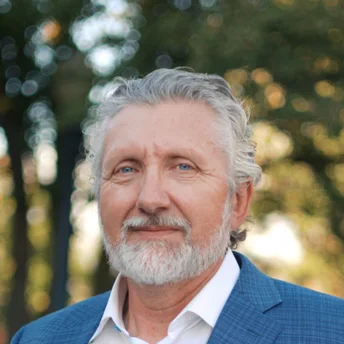 Conor MeyersCo-Founder, Clark Meyers PC

Read more client stories or see our case studies.
Frequently asked questions
Frequently asked questions
How do I grow a small business in Oakland?
Start with the people closest to you: neighboring businesses, local associations and past customers. Keep a strong Google Business Profile and website, host or attend local events on a regular schedule and follow up with everyone you meet.
Why is the firm called Piedmont Avenue Consulting, Inc.?
David Mitroff, Ph.D., named the firm after Piedmont Avenue in Oakland, a street of restaurants and shops that people across the San Francisco Bay Area know. The name says a place, sounds like a firm and is easy to say on the phone.
What networking works best for Oakland businesses?
Regular, local and personal. A standing monthly event, steady attendance at the same association meetings and a habit of introducing people to each other build a network over time.
Does Piedmont Avenue Consulting, Inc. work with businesses outside Oakland?
Yes. Piedmont Avenue Consulting works with owners across the San Francisco Bay Area, Los Angeles, Orange County and New York, with roots in Oakland and the East Bay.
How do I start working with Piedmont Avenue Consulting in Oakland?
Schedule a call with David to talk about your business. Piedmont Avenue Consulting starts with an initial consultation and a paid assessment, then a ninety-day plan and a twelve-month marketing calendar.
How do I make introductions without risking my reputation?
Introduce only people whose work you have seen, check that they fit the other person’s need and tell both sides why you think they will get along. When you do not know someone you would vouch for, say so and offer to ask around.
How long does it take for local networking to pay off in Oakland?
Plan on months of steady effort. A recurring event, regular attendance at the same meetings and prompt follow-up build recognition first, and introductions and clients tend to follow once people know what to expect from you.
Let’s grow together.
Schedule a call with David. Tell us about your business and your neighborhood, and we will look at where your next clients are likely to come from.
Or call David at 510-761-5895, 8 AM to 8 PM, seven days a week.
About the author
David Mitroff, Ph.D. wrote this article. He is the founder of Piedmont Avenue Consulting, Inc., a business and marketing consulting firm serving the San Francisco Bay Area, Los Angeles, Orange County and New York. Meet David or read more articles by David.
- Founder and Business Growth Strategist at Piedmont Avenue Consulting, Inc.
- Doctorate in clinical psychology, with additional coursework in business administration, law and culinary arts; bachelor’s and master’s degrees.
- Taught marketing and entrepreneurship at the University of California, Berkeley for more than seven years.
- Author of several books, including The 45 Day Consultant, The 45 Day Consultant Field Guide, Online Business Growth Strategies, The Event Effect: Invite, Don’t Sell, and Law Firm Business Growth Strategies (Second Edition).
- Started seven companies; previously owned and ran a recruiting and staffing company.
David works with a small team of consultants and specialists on every engagement. Meet our team or read about Piedmont Avenue Consulting, Inc.