

Field Guide, Chapter Five
How to give business advice clients trust
Good advice fits the business in front of you, not the last one you saw. David Mitroff, Ph.D. learned that twice in one afternoon.
The short answer
Business advice clients trust starts with research, a look at the whole business, and the courage to say what nobody else in the room will say. Piedmont Avenue Consulting, Inc. helps owners in the San Francisco Bay Area, Los Angeles, Orange County and New York find what is really going on and fix the right thing first.
From The 45 Day Consultant Field Guide
In the chapter titled “Advise Like It’s Your Business,” David Mitroff, Ph.D. writes:
“I take no pleasure in telling somebody their idea has a problem. It is what they pay me for. A consultant who only confirms what the client already believes is an expensive mirror.”
If your advisor only agrees with you, you are paying to hear your own opinion. Real advice sometimes means hearing that your idea has a problem, and then fixing the problem.
 (opens in a new tab)
Get the book on Amazon (opens in a new tab)
See every chapter
Same day, opposite advice
Two restaurants, one afternoon, two different answers
In the book, David tells about one afternoon of assessments. The first was a large new restaurant in Berkeley, near the university, with big windows on every side. The pizza was high end, the bar was big and the room was beautiful. Dinner was good. Lunch was dead. Nobody walking past could tell what the place was, so David told the owners to put big photographs of the dishes and the lunch specials in some of the windows.
The same day he drove to Chinatown in San Francisco with a translator, because the owners spoke Mandarin. They said they needed more customers, while a line ran out the door. Then David looked at the windows. Every one was covered with pictures of food, so nobody on the sidewalk could see in or see that the room was full. He told them to keep one window with the menu and the three dishes everybody orders, and clear the rest.
Two weeks later the pizza place had a lunch crowd, and the line in Chinatown reached the spot the owners wanted. David worked with the pizza place for about two years and with the Chinatown restaurant for about three. One owner heard add pictures. The other heard take them down. Both answers were right, because each one came from the business in front of him.
There is no single answer that fits every business, so study the one in front of you.
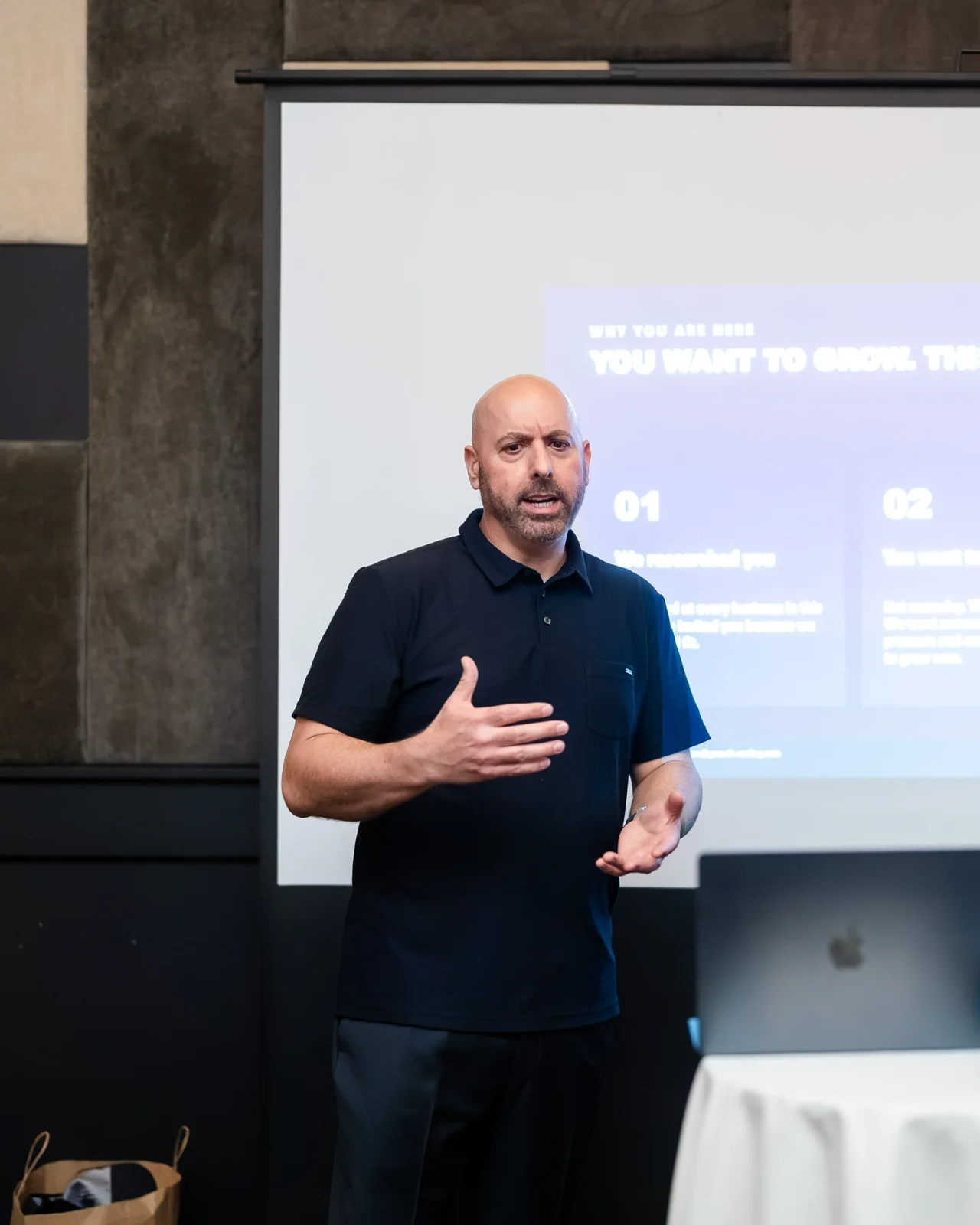
“So on one afternoon I told one restaurant to put pictures in the windows and told another to take every picture out. Two weeks later the pizza place had a lunch crowd, and the line in Chinatown ran down the block to where they wanted it.”
The only one who told the owner the truth
The meeting where David asked, who is Ken?
Sometimes everyone around an owner agrees with everything. Employees, friends and family all say yes. David writes that his job in those rooms is to say the thing nobody else will. A large firm with twelve shareholders hired him for an assessment meeting, and all twelve partners sat at the table. None of them were billing while they sat there, so every minute had a real cost.
They talked about operations, growth, new locations and how they bid for contracts. Then one partner said Ken helps with that, and somebody rolled their eyes. Later another partner said they thought Ken was handling something, in a tone that said a lot. The third time Ken came up, somebody let out a long breath. So David stopped the meeting and asked one plain question: who is Ken?
Ken was one partner’s assistant. After a silence, one partner said work sent through Ken did not arrive. Another said the same thing had happened to them. The partner Ken worked for did not take the news personally. He said he would collect feedback from everyone, confidentially, and make changes. Nobody decided Ken was a bad person. The room agreed the issue would be handled outside the meeting, and the meeting went on.
Bringing up the thing nobody sees can be worth more than everything else in the meeting.
Set the tone early
Habits that make advice easy to trust
Most trust is built before the big work begins. These habits come straight from the chapter.
Be direct from the first meeting
Say what is possible, how long the work will take and what the work will cost. Clear expectations at the start prevent misunderstandings later.
Treat month one as learning
What people say they want to change and what they are ready to change can be two different things. The first month is for finding out which is which.
Fix the quick things right away
Walking the customer journey on day one often shows a phone nobody answers, a website that does not say what the company does, or wrong hours online. Fix those, and the client sees results early.
Remember the cargo ship
An organization cannot turn like a small boat. When many people, systems and departments have to move, bigger change takes time, and a good advisor says so.
Choose your timeline words
Ninety days and three months are the same length. Ninety days sounds fast to a client in a hurry. Three months sounds like room to breathe to a client who needs time.
Push, and know how far
Push too hard and people stop listening. Sometimes the client only wants to be heard for now, and pushing harder rarely makes change come faster.
Listen to the market
The lunch special test and the next question
David also warns about one of the most expensive things a business can do: teach the market what a brand new thing is. A dish nobody has heard of, or a service that takes three sentences to explain, can use up years and most of the budget. His simple test is the lunch special. If people ask for a lunch special three times a day for a year, the market has told you what it wants.
Then there is the moment that surprises new consultants. You finish a big project, the client made real money, and they ask what you will do for them next. The question stings for a few seconds. Then you see the question for what it is. The client absorbed the win and moved on to the next problem, which is what good operators do. David laughs, agrees, and the two sides map out what comes next together.
From the full book
What The 45 Day Consultant adds
The Field Guide builds on David’s full book, The 45 Day Consultant. In the chapter titled “What Is a Consultant?”, he writes:
“Consulting is not about knowing everything. It involves knowing how to ask the right questions, listen deeply, and guide others toward better outcomes. This mindset helps you stand out and stay relevant.”
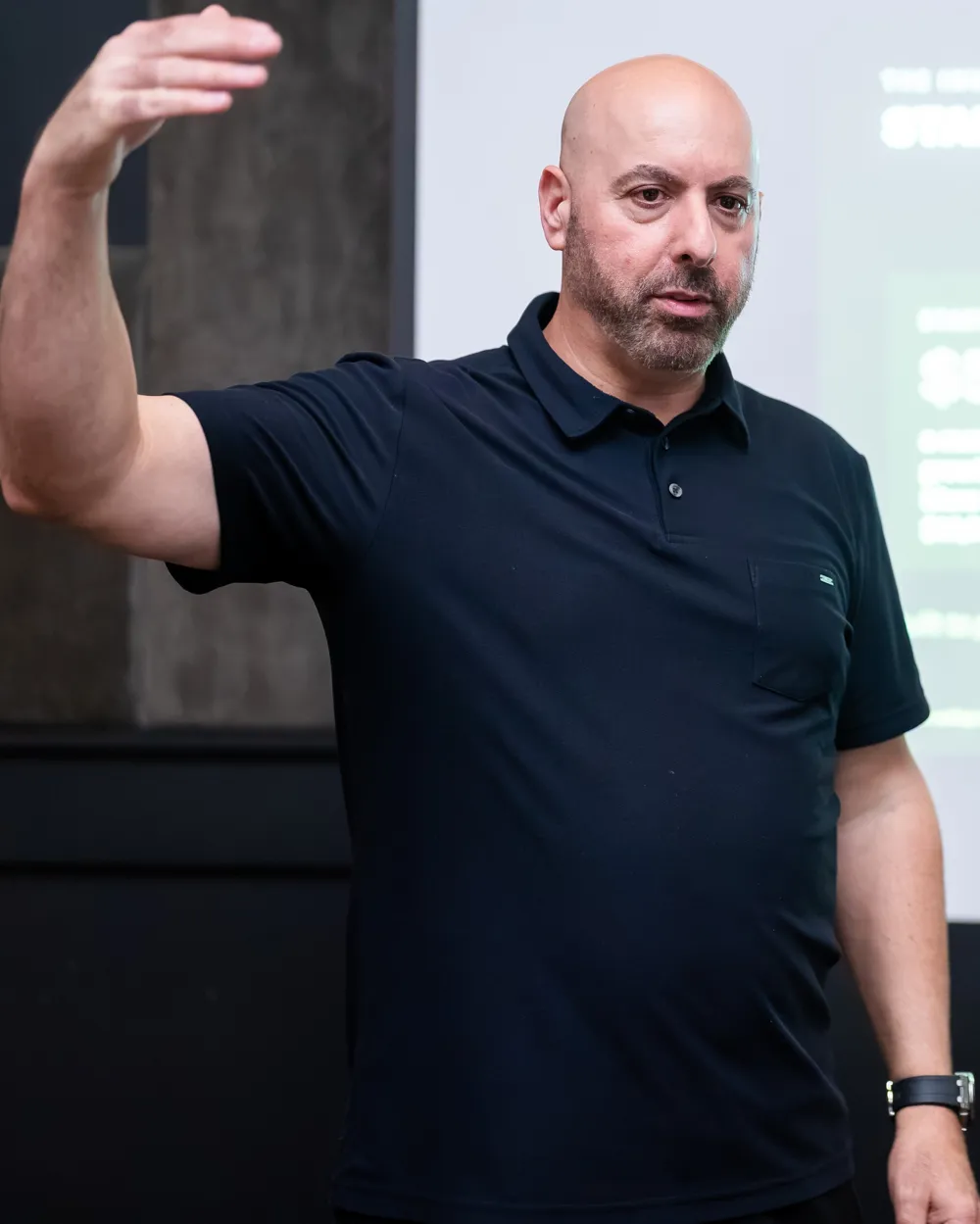
David can speak on this topic
A keynote talk based on this chapter
Advise Like It’s Your Business is also a keynote talk David gives. Audiences take home a simple way to look at the whole business, say the honest thing kindly, and set timelines clients believe.
Every chapter of The 45 Day Consultant Field Guide is also a keynote talk. David gives these talks to companies, associations, conferences and leadership teams.
David also gives a related keynote, Consulting Success: How to Start and Grow a Consulting Business, built for solo and boutique consultants, coaches and professionals who want to build a brand, attract clients and grow revenue. See his keynote programs (opens in a new tab)
A real result
How this idea worked for a client
Advice has to fit each stage of a business. Moler Barber College grew from one location to five, with our team helping on planning, site selection, build-out, hiring and training.
 EducationOne school to five
Moler Barber College grew from one location to five, from planning and site selection through build-out, hiring and training, with each school up and running.
Read the case studyTestimonials
What our clients say
“Right away things started to happen. We have managed to fill up our seminar rooms again, he has found us great new staff, and business is booming. More than a marketing consultant, he is also a business confidant […]”

“David was very helpful with structuring online marketing for my business. He presented clear ideas and strategy that was totally relevant for my dental office. His innovative thinking helps me to think outside the box.”

“We worked with Piedmont Avenue Consulting to implement new sales processes and launch a successful customer loyalty program. As a result, we have dramatically increased revenues from catering events and ‘front of mind’ sales.”

How it works
How we work: call, assessment, plan.
Schedule a call
Tell us where the business is today and where you want it to be.
Assessment
We look at your numbers, marketing, team and operations.
90-day plan
Three to five initiatives with owners and dates, plus a 12-month marketing calendar.
Ongoing initiatives
We stay on as a long-term partner and keep the plan moving.
In the first 90 days, our job is to find our fee: make or save you more than you pay us.
On the blog
Articles that go deeper on this chapter
Keep reading
More chapters from the Field Guide



Questions
Questions owners ask
What makes business advice worth trusting?
Trusted advice comes from research before the meeting, a look at the whole business, and the willingness to say a hard truth. David Mitroff, Ph.D. teaches that a consultant who only agrees with the client is an expensive mirror.
Why did David Mitroff give two restaurants opposite advice on the same day?
Each restaurant had a different problem. The Berkeley pizza place needed people on the sidewalk to see the food, while the Chinatown restaurant needed people to see the full room. David Mitroff, Ph.D. gave each owner the answer that fit that business.
What happens in the first month of working with a consultant?
The first month is mostly about learning the client, the business and what the team is ready to change. At Piedmont Avenue Consulting, Inc., quick fixes found on day one, like a missed phone call or wrong hours online, get fixed right away.
How long do bigger business changes take?
Bigger changes depend on how many people, systems and departments have to move. David Mitroff, Ph.D. compares a company to a cargo ship that needs time to slow down and change course. Piedmont Avenue Consulting, Inc. maps that work in a 90-day plan.
Should a consultant tell an owner when an idea has a problem?
Yes. Telling an owner the truth is part of what clients pay for. David Mitroff, Ph.D. says people have told him he can make a room smile while telling the group they are completely wrong, and then the group changes course.
Why is teaching the market about a new product so costly?
A product that takes three sentences to explain can use up years and most of a budget. David Mitroff, Ph.D. advises owners to listen when customers ask for the same thing again and again, such as a lunch special.
How does working with Piedmont Avenue Consulting, Inc. begin?
Working together starts with a call, then a paid assessment, then a 90-day plan with three to five initiatives and a twelve-month marketing calendar. In the first 90 days, our team at Piedmont Avenue Consulting, Inc. aims to find our fee, which means making or saving the client more than the client pays.
Work with us
Get advice that fits your business
In the first ninety days of working together, our job is to find our fee, which means making or saving you more than you pay us. We start with an initial consultation and a paid assessment, then build a ninety-day plan and a twelve-month marketing calendar.
One conversation and a clear next step.