

Field Guide, Chapter Seven
How to sell by helping clients
A receptionist who turned away every salesperson still welcomed David in. Here is why, and how to build the same kind of trust.
The short answer
Selling without selling means you sell by understanding the customer, not by pushing. You walk the customer journey, map the sales process, ask questions and decide together whether the work is a fit. Piedmont Avenue Consulting, Inc. helps owners in the San Francisco Bay Area, Los Angeles, Orange County and New York fix the path from first inquiry to new client.
From The 45 Day Consultant Field Guide
In the chapter titled “Selling Without Selling,” David Mitroff, Ph.D. writes:
“I was a salesperson. She just did not experience me as one. I had a quota. I was there to sell software and research tools, and I was good at it.”
Having a sales goal is not the problem. The mindset you bring into the room decides whether people see a pusher or a helper.
 (opens in a new tab)
Get the book on Amazon (opens in a new tab)
See every chapter
How to do it
Six steps to sell without selling
These steps follow the order David uses with every new client, before he recommends anything at all.
Walk the journey as a customer
Call the main number and listen to what happens when nobody answers. Fill out the contact form and time the reply. Book through the website, then walk in the front door to see what a stranger sees.
Map the sales process from inside
Where does an inquiry land, who sees the inquiry first, what do they send, and when do they follow up? When does price come up, and what has to happen before somebody signs?
Match the two maps
The customer thinks they asked for help and are waiting. The business thinks the lead is in the system. When the two maps do not match, fix that first, before any marketing.
Ask before you recommend
Ask questions to learn what the client needs and what the client is ready to do. Then offer tailored advice. Sometimes the right answer is that you are not the right fit.
Decide the fit together
The client is deciding whether to hire you, and you are deciding too. When the work is not a fit, introduce someone better suited. People you send work to tend to send work back.
Make the next step small
When the person stops answering questions and starts asking what happens next, stop selling and start scheduling. Name the first step, such as an assessment, and send the questionnaire.
“That is what five years of turning up buys, and it is not a technique. I was not trying to get one past anybody. I was trying to find the arrangement that was right for them and right for me, and if no such arrangement existed I was prepared to say so.”
The front desk
Why David got to know law firm receptionists
When David worked at LexisNexis, he spent his weeks walking into law firms, and he made a point of knowing the people at the door: the receptionist, the front desk and building security. He liked them, and he came often enough that they knew him. One morning at a large firm, the receptionist told him to take a seat while she let the managing partner know he was there.
While he waited, two other people came in. She turned them away, politely and completely. Later David asked why. She said they were salespeople, and she did not like salespeople. David was a salesperson too, with a quota. The difference was the mindset he brought. He was not there to take something. He was there because he understood the firm and wanted the firm to do better.
People can tell the difference in about four seconds, so bring the right mindset into the room.
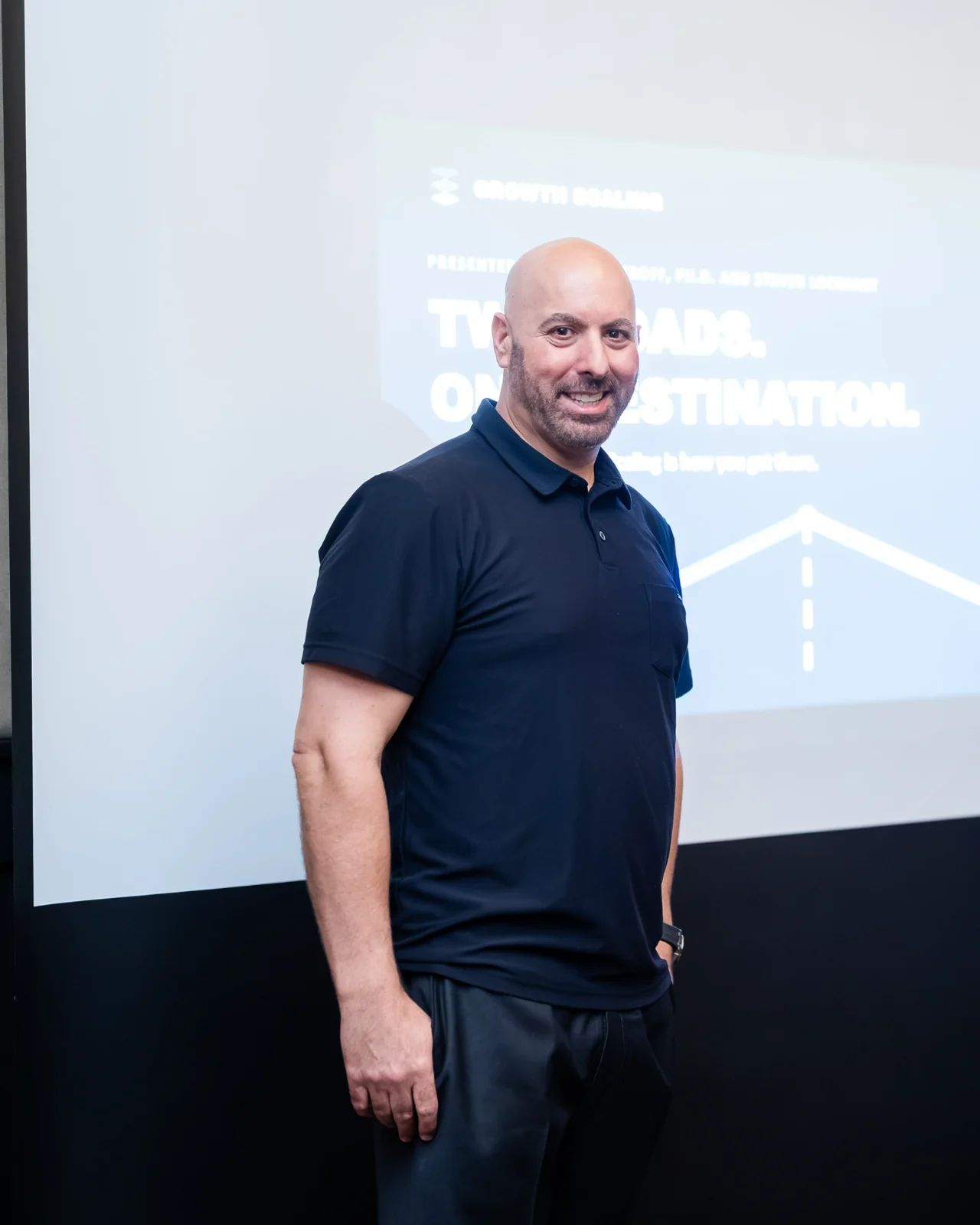
Five years, and one question
The day a client asked the salesperson for advice
David also tells about a firm he visited roughly every other week for five years. The firm paid standard rates the whole time and would not sign a longer agreement that would have saved them money, because a competitor had treated them badly years before. So he kept showing up, every couple of weeks, with no contract to show for the visits.
Then the firm said they were ready. The deal became a very large contract. Senior people flew in, and the conference room was full. The managing partner picked up the pen, stopped, looked down the table at David and asked: David, is this what I want? The room went silent. David read the agreement again and told him yes, this was the agreement that was right for the firm.
In a room full of partners and lawyers, the managing partner asked the salesperson. That trust came from five years of looking for the arrangement that was right for both sides, and being ready to say so if none existed. If the person across the table would ask your opinion before signing, you have built something stronger than any closing technique.
Trust built over time is worth more than any close you can learn.
More from the chapter
More lessons on selling by helping
A few more ideas from the chapter that help owners, sales teams and advisors sell by helping.
Offer a test drive
In Data-Driven Marketing, Mark Jeffery writes about the test drive from the auto industry. People want to try you before they commit, so treat the first call as the test drive.
Keep price after the questions
When a company wanted David’s price before sharing what they needed, he told them they were not a fit. A number without the questions is only a guess.
Notice what people spend early
A man from Texas flew to San Francisco for his assessment, though video would have worked, and then hired David. Someone who invests that much early tends to take the work seriously.
Build together instead of battling
At the Pepperdine Negotiation Program, David learned that if you are negotiating, you may have already missed a step. Work with the client so a hard negotiation never starts.
Listen under pressure
On a hostage negotiation team with the U.S. Department of Justice Federal Bureau of Prisons, David learned that listening is often more powerful than talking.
Remove steps
Count the steps between “I am interested” and “I have paid.” Every step you remove is a customer you did not lose.
From the full book
What The 45 Day Consultant adds
The Field Guide builds on David’s full book, The 45 Day Consultant. In the chapter titled “Becoming the Expert”, he writes:
“They walk in thinking they have to sell, and selling to strangers is uncomfortable for almost everyone. Take selling off the table and the job becomes finding a few people you enjoy talking to.”
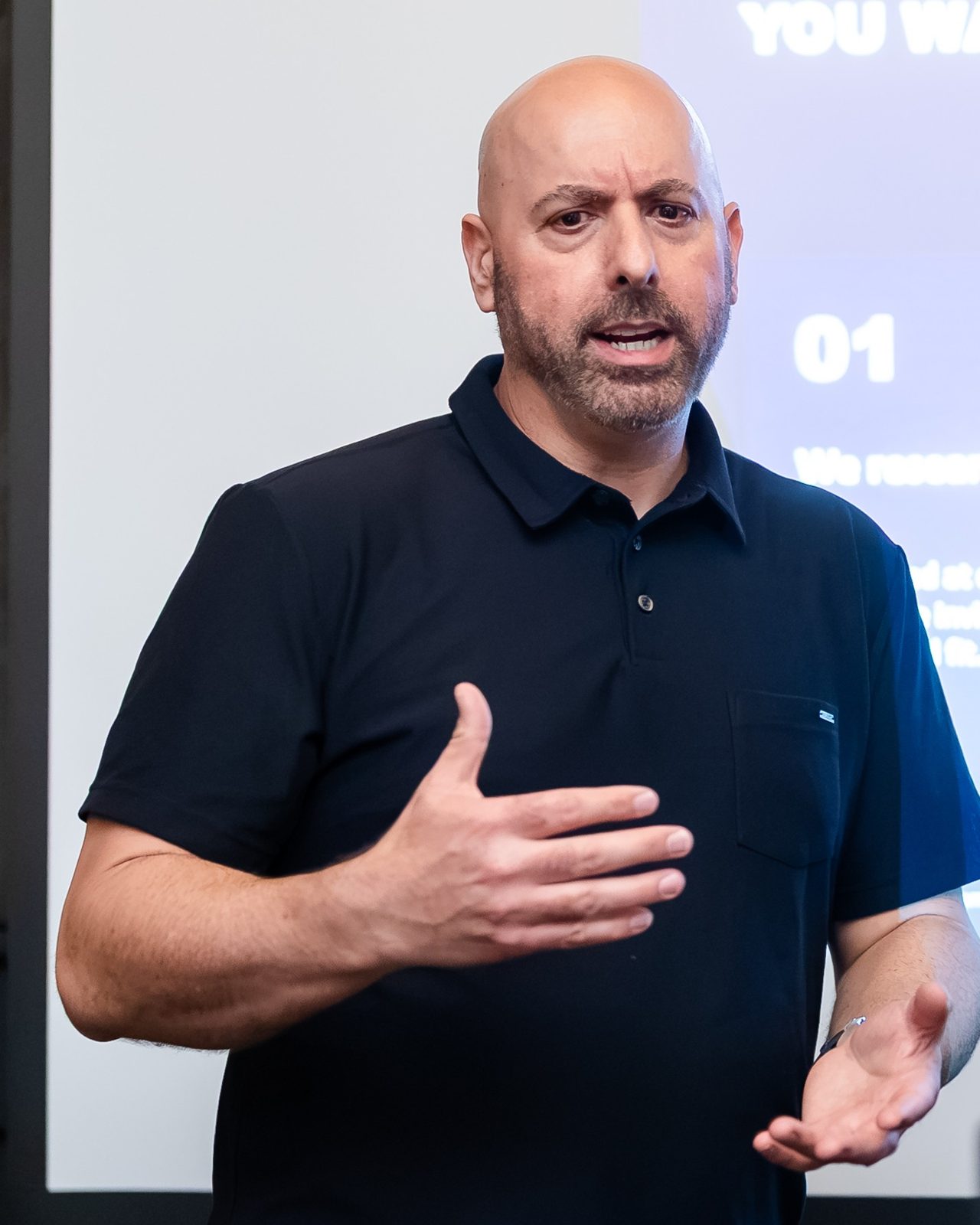
David can speak on this topic
A keynote talk based on this chapter
Selling Without Selling is also a keynote talk. Audiences take home the two maps, the questions that open a conversation, and the signal that tells them a buyer is ready.
Every chapter of The 45 Day Consultant Field Guide is also a keynote talk. David gives these talks to companies, associations, conferences and leadership teams.
David also gives a related keynote, The Psychology Behind Connecting, on the psychology of how people connect, listen and decide whom to trust. See his keynote programs (opens in a new tab)
A real result
How this idea worked for a client
The customer journey matters from the very start. Two Orangetheory Fitness studios, in Colma/Daly City and Pinole, went from bare dirt to launch with our help on the franchise agreement, site selection, build-out, hiring and training.
 Fitness franchiseTwo studios opened
Two Orangetheory Fitness studios, in Colma/Daly City and Pinole, taken from bare dirt to launch: franchise agreement, site selection, build-out, hiring and training.
Read the case studyTestimonials
What our clients say
“Right away things started to happen. We have managed to fill up our seminar rooms again, he has found us great new staff, and business is booming. More than a marketing consultant, he is also a business confidant […]”

“David was very helpful with structuring online marketing for my business. He presented clear ideas and strategy that was totally relevant for my dental office. His innovative thinking helps me to think outside the box.”

“We worked with Piedmont Avenue Consulting to implement new sales processes and launch a successful customer loyalty program. As a result, we have dramatically increased revenues from catering events and ‘front of mind’ sales.”

How it works
How we work: call, assessment, plan.
Schedule a call
Tell us where the business is today and where you want it to be.
Assessment
We look at your numbers, marketing, team and operations.
90-day plan
Three to five initiatives with owners and dates, plus a 12-month marketing calendar.
Ongoing initiatives
We stay on as a long-term partner and keep the plan moving.
We start with an assessment, agree on the priorities that matter most, and define what success looks like, then build a 90-day plan for ongoing work.
On the blog
Articles that go deeper on this chapter
Keep reading
More chapters from the Field Guide



Questions
Questions owners ask
What does selling without selling mean?
Selling without selling means helping people decide by understanding what they need, not by pushing a product. David Mitroff, Ph.D. teaches owners and sales teams to ask questions first and recommend second.
What are the two maps David Mitroff, Ph.D. makes for every new client?
The first map is the customer journey, made by acting like a customer. The second map is the sales process, drawn from inside the business. David Mitroff, Ph.D. fixes any gap between the two maps before any marketing.
When is a good time for a team to walk the customer journey?
A good time is when somebody new joins the team. David Mitroff, Ph.D. suggests having new staff walk the customer journey and the sales process in the first weeks and write down every step, so the business gets fresh eyes and written notes.
How can a business tell that a buyer is ready?
The buyer stops answering questions and starts asking them: what do we do next, how does this work, how do I hire you. At that point, David Mitroff, Ph.D. stops selling, starts scheduling, and makes the next step small.
Should a business turn down work that is not a good fit?
Yes. Saying that a project is outside what you do often wins more work than pretending. David Mitroff, Ph.D. introduces the client to someone better suited, and people you send work to tend to send work back.
Why does a test drive help sell a service?
People want to try a service before they commit, the way buyers drive a car before buying one. David Mitroff, Ph.D. treats the first call as that test drive, and Piedmont Avenue Consulting, Inc. starts new work with a call and an assessment.
How does working with Piedmont Avenue Consulting, Inc. start?
Working together starts with a scheduled call, then a paid assessment, then a 90-day plan with three to five initiatives and a twelve-month marketing calendar. After that, Piedmont Avenue Consulting, Inc. keeps working with the client over time.
Work with us
Schedule a call about your sales approach
Every engagement starts with an assessment and a shared definition of success. We start with an initial consultation and a paid assessment, then build a ninety-day plan and a twelve-month marketing calendar.
One conversation and a clear next step.