

Choosing who you serve
How to choose your target market
A clear market makes marketing easier, not smaller. The more specific you get, the easier clients are to attract.
The short answer
To choose your target market, narrow your focus by industry, place or type of person, then connect with that world and host something for those people. Piedmont Avenue Consulting, Inc. helps owners pick markets, shape their message and build a list of the right people across the San Francisco Bay Area, Los Angeles, Orange County and New York.
From The 45 Day Consultant Field Guide
In the chapter titled “Stop Selling to Everyone,” David Mitroff, Ph.D. writes:
“A narrow list of four hundred is worth more than a scattered list of two thousand.”
A small list of the right people does more for a business than a big list of random contacts. Depth in one market beats a thin spread across many.
 (opens in a new tab)
Get the book on Amazon (opens in a new tab)
See every chapter
Definition
What a target market really means
Target market A target market is the specific group a business chooses to serve first, defined by industry, by place, or by the kind of people they are and what they care about.
Instead of saying “I consult for everyone,” say “I help law firms modernize their marketing.” David suggests a few ways to divide a market. By industry, such as tech startups, restaurants, law firms or retail. By demographics, such as women founders, immigrant entrepreneurs or Gen Z professionals. By psychographics, which means what people focus on, such as growth, innovation, balance or an exit strategy.
Place matters too. Start where you are. If you work in Oakland or San Jose, focus there first. You can meet people in person, attend local events and get referrals. Local search is easier to rank for, and clients trust someone who understands their local market. You can expand to other places later.
One industry is often several. Immigration, DUI and criminal defense attorneys advertise on billboards, radio, buses and daytime television, because their clients have an urgent problem and need help today. Patent, trademark, securities and mergers attorneys will never buy a billboard. Their work comes through referral, reputation and relationships. Same profession, opposite marketing. Advice built for one group fails with the other.
“Same profession. Same bar association. Completely opposite marketing. If you walk into either one with advice built for the other, you are finished in the first ten minutes.”
How David’s market found him
How David found his own target market
In the book, David tells how his own market grew. His day job had him taking attorneys to lunch all the time. He got tired of the same few restaurants, so he started looking for small, hidden places. When he liked one, he brought a steady stream of attorneys there. Soon someone from the restaurant would thank him and ask how he found them.
His answer was that finding them had been hard. There was no sign out front and almost nothing online. He also suggested small menu changes that would bring in more business-lunch customers, because he had watched what attorneys order when they have fifty minutes. The restaurants asked if they could hire him. Then more restaurants did, all over downtown San Francisco.
Then the loop closed. David took attorneys to the restaurants he worked with, and the attorneys noticed how the staff treated him. They asked why, and he explained his work. That is how lawyers at some of the largest firms in the country learned what he did. He found a similar truth over years at sushi counters: where you spend your time shapes your network.
People like you know people like you, so where you show up decides who you meet.
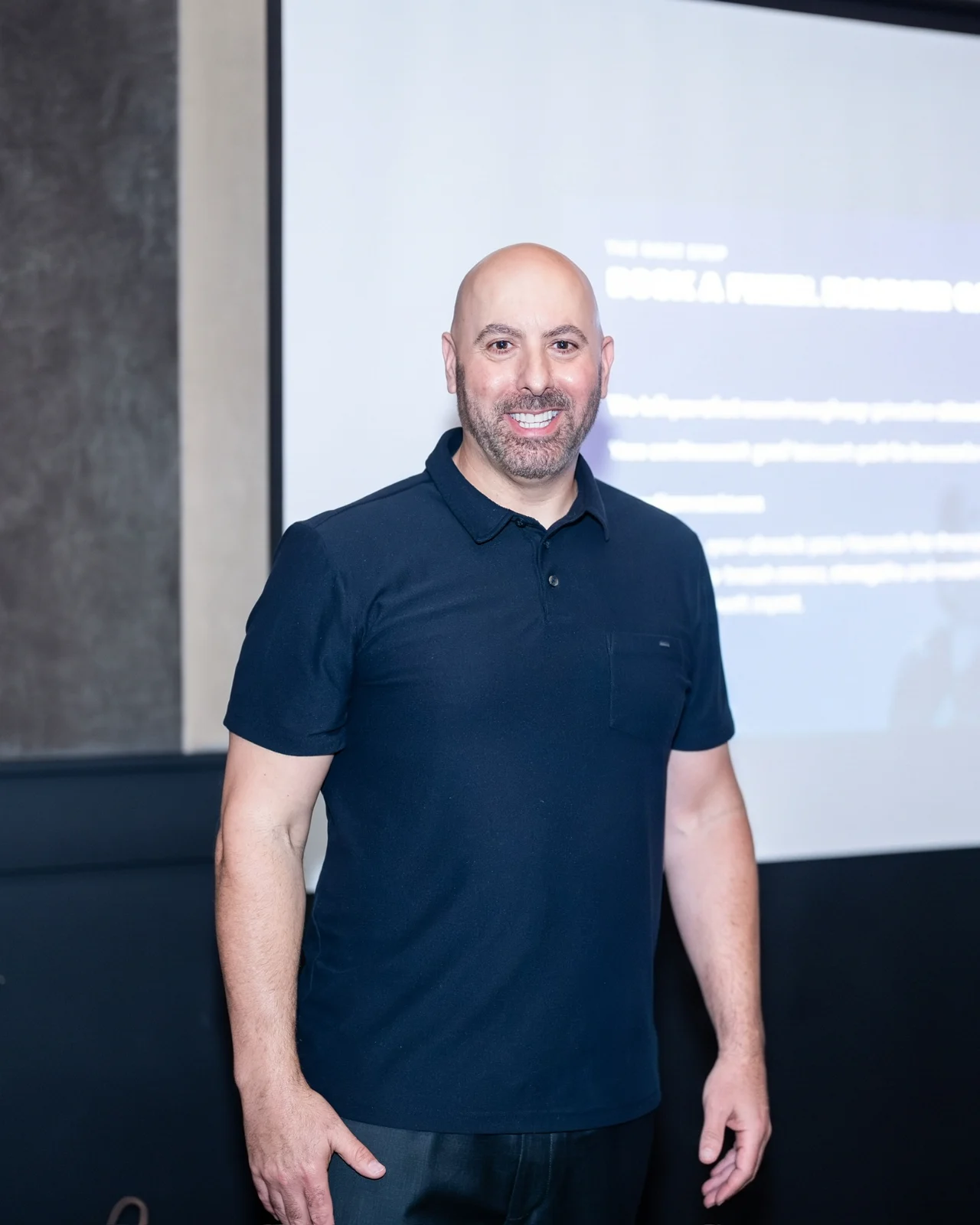
Entering a new market
How David enters a new market
David calls this process mechanical. He has done it enough times that it no longer feels like a gamble.
Pick a narrow target
Choose one industry, such as yacht brokers, boutique hotels or expert witness firms, or one city, such as San Diego. Make the target narrow enough to act on.
Connect with that whole world
On LinkedIn, connect with owners and professionals in that market, plus the people who sell to them, such as accountants and attorneys who set up new companies.
Send no message yet
Just connect. A bare request costs the other person nothing, so most people accept. A pitch attached to a request is the fastest way to get ignored.
Narrow the list if needed
If the market feels too broad, cut the list down. Not every attorney, only the ones doing expert witness work. Keep connecting steadily within the platform limits.
Host an event for the list
Invite every connection personally to a happy hour as your guest, not to a pitch. Some come, many write back with thanks, and some look you up.
Keep showing up
Expansion rewards consistency more than cleverness. People expect you to quit, and the belief that you will keep going can take eight months to build.
A question you will hear
How to answer the specialist or generalist question
Every consultant hears some version of “How many dentists have you worked with?” Say none, and one dentist asks why they should hire you, while another is glad you carry no competitor’s playbook. Say many, and the question moves to this neighborhood or this size of practice. David says no number answers that question, so stop looking for one.
His own answer is that he works across every kind of industry on purpose. That lets him carry a booking system from a Pilates studio, a follow-up sequence from a law firm, or a pricing structure from hospitality into a new business. A specialist knows things he does not, and he says so. Both answers can be defended. What matters is that you have one, and that you follow the same process every time.
From the full book
What The 45 Day Consultant adds
The Field Guide builds on David’s full book, The 45 Day Consultant. In the chapter titled “Becoming the Expert”, he writes:
“People connect you to people like themselves. The filter is simple: find people you like, and spend your time around more of them.”
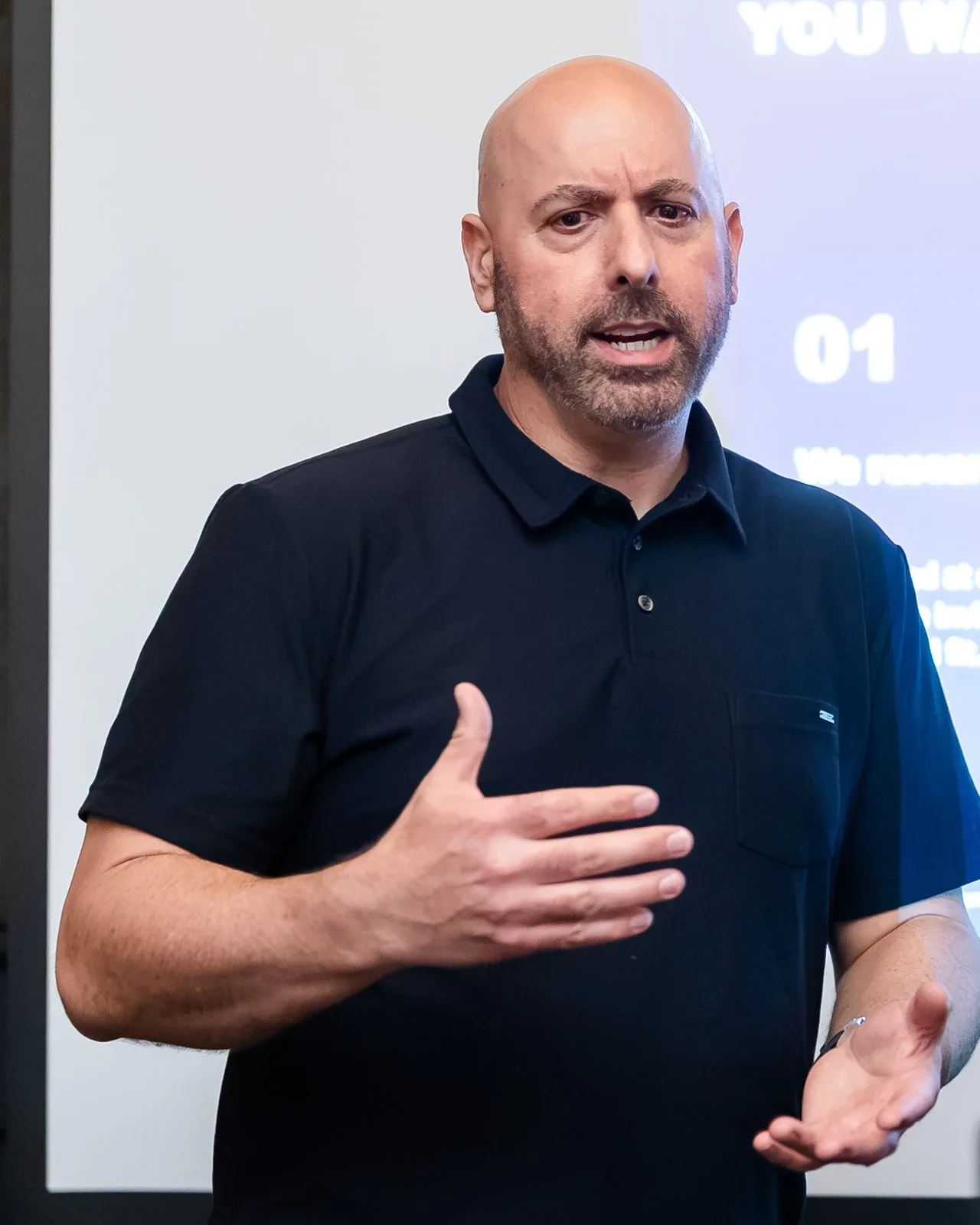
David can speak on this topic
A keynote talk based on this chapter
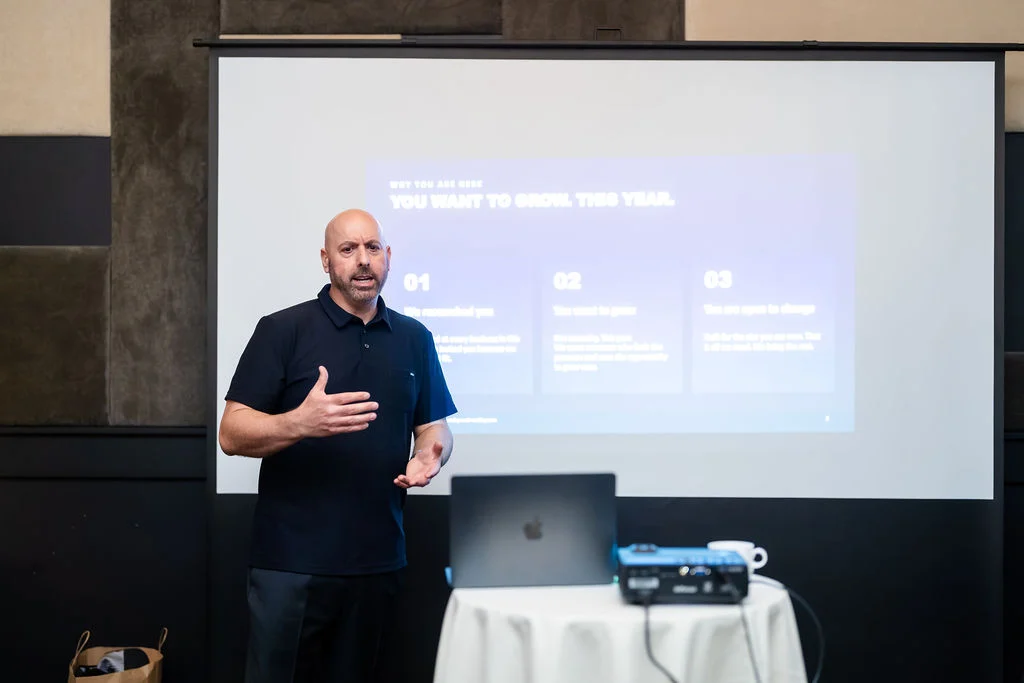
This chapter is also a keynote talk David gives. Audiences leave knowing how to pick a narrow market, connect with that world, and host their way in.
Every chapter of The 45 Day Consultant Field Guide is also a keynote talk. David gives these talks to companies, associations, conferences and leadership teams.
David also gives a related keynote, Branding Through Authenticity: How Being You Is Becoming the Best Way to Market, on building a brand that sounds like you, finding your target market and how long it takes to become known as an expert. See his keynote programs (opens in a new tab)
A real result
How this idea worked for a client
Moler Barber College grew from one location to five through planning, site selection, build-out, hiring and training. Choosing each new location is a market decision, and a clear focus makes each choice easier.
 EducationOne school to five
Moler Barber College grew from one location to five, from planning and site selection through build-out, hiring and training, with each school up and running.
Read the case studyTestimonials
What our clients say
“Right away things started to happen. We have managed to fill up our seminar rooms again, he has found us great new staff, and business is booming. More than a marketing consultant, he is also a business confidant […]”

“David was very helpful with structuring online marketing for my business. He presented clear ideas and strategy that was totally relevant for my dental office. His innovative thinking helps me to think outside the box.”

“We worked with Piedmont Avenue Consulting to implement new sales processes and launch a successful customer loyalty program. As a result, we have dramatically increased revenues from catering events and ‘front of mind’ sales.”

How it works
How we work: call, assessment, plan.
Schedule a call
Tell us where the business is today and where you want it to be.
Assessment
We look at your numbers, marketing, team and operations.
90-day plan
Three to five initiatives with owners and dates, plus a 12-month marketing calendar.
Ongoing initiatives
We stay on as a long-term partner and keep the plan moving.
We start with an assessment, agree on the priorities that matter most, and define what success looks like, then build a 90-day plan for ongoing work.
On the blog
Articles that go deeper on this chapter
Keep reading
More chapters from the Field Guide


Questions
Questions owners ask
What is a target market?
A target market is the specific group a business chooses to serve first. David Mitroff, Ph.D. suggests defining the group by industry, by place, by demographics such as women founders, or by psychographics such as a focus on growth or an exit strategy.
Does a narrow market mean fewer clients?
No. The more specific the message, the easier clients are to attract. David Mitroff, Ph.D. says a narrow list of four hundred people is worth more than a scattered list of two thousand.
Where should a new business start?
Start where you are. A consultant in Oakland or San Jose can meet people in person, attend local events and get local referrals, and local search is easier to rank for. Piedmont Avenue Consulting, Inc. helps owners build the local base first through marketing consulting, then expand later.
Should a LinkedIn connection request include a sales message?
No. David Mitroff, Ph.D. connects first and says nothing. A pitch attached to a request gets ignored, while a plain request costs the other person nothing, so most people accept. The message comes later, as an invitation.
How does an event help a business enter a new market?
After connecting with hundreds of people in one market, David Mitroff, Ph.D. invites all of them to a happy hour as his guests. Some come, many reply with thanks, and some look him up. Piedmont Avenue Consulting, Inc. plans this kind of outreach through event marketing.
Is a specialist or a generalist consultant better?
Both answers can be defended. A specialist knows the industry. A generalist brings ideas the industry has not seen yet, such as a booking system from a Pilates studio. David Mitroff, Ph.D. works across many industries and follows the same process for every client.
How long does entering a new market take?
Longer than most people plan. David Mitroff, Ph.D. compares the wait to a weekly podcast, where people may only start to believe the next episode is coming about eight months in. Consistency wins over cleverness.
Work with us
Schedule a call about your target market
Every engagement starts with an assessment and a shared definition of success. We start with an initial consultation and a paid assessment, then build a ninety-day plan and a twelve-month marketing calendar.
One conversation and a clear next step.