
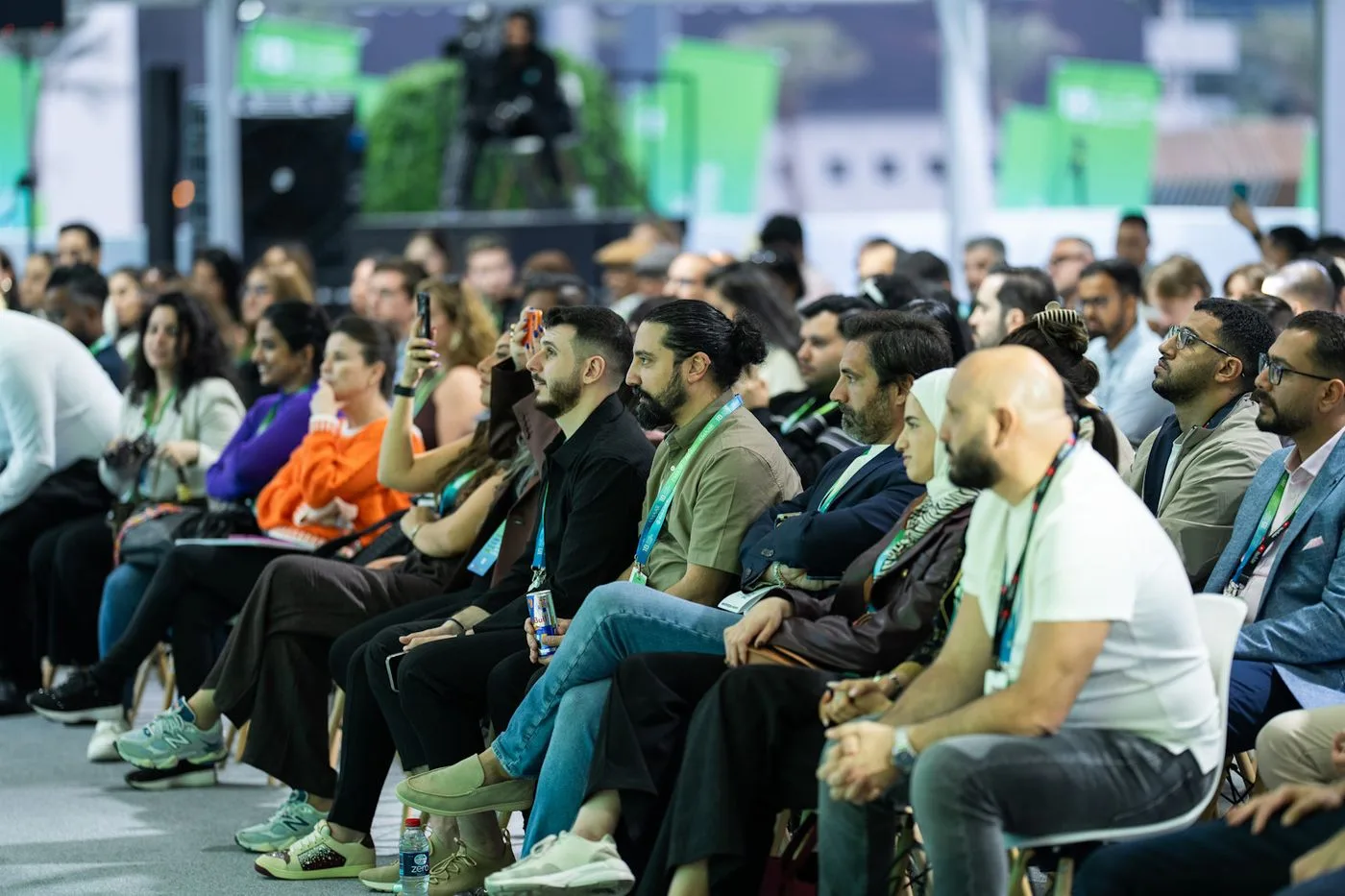


A call with David Mitroff, Ph.D.
Talk through your business with David
Quick answer
Event marketing is promoting a business by bringing the right people together in person or online, so they experience the business, meet the people behind it and take a next step such as a meeting or a purchase. Piedmont Avenue Consulting, Inc. plans and runs event marketing for owners across the San Francisco Bay Area, Los Angeles, Orange County and New York.
Key takeaways
- Event marketing means inviting the people you want to reach to an experience, then following up with those who want to keep talking.
- An event can be as small as coffee for two, so start on a low rung of the ladder, get good and climb.
- People come when there is a real reason, such as a tasting, a place, a theme or a launch, and “come network” is rarely enough.
- Measure an event by what happens after it: follow-up meetings, new clients, introductions and returning guests.
What is event marketing, and how is it different from advertising? At Piedmont Avenue Consulting, Inc., we are a business and marketing consulting firm that works with owners in the San Francisco Bay Area, Los Angeles, Orange County and New York to start, grow and scale their businesses. Events are one of the main tools we use with clients, and The Professional Connector®, our events community, has hosted hundreds of them.
Event marketing in one sentence
Event marketing means inviting the people you want to reach to an experience you host or join, then following up with the ones who want to keep talking.
The core idea is an invitation, not a sales pitch. People come because they want to learn something, meet someone or enjoy the evening. The business benefit follows from the relationships that start there.
Where the idea comes from: invite, don’t sell
Most owners already know the feeling of a sales message. A cold call, a pitch in the inbox, a stranger asking for a meeting. The reflex is to hit delete. An invitation lands differently. Even when you cannot go, you feel a little good that someone thought of you.
That difference is the whole engine of event marketing. A sales message asks for something. An invitation offers something: a seat at a table, a useful conversation, people worth meeting. When a guest says “I can’t make it,” the conversation is still open, and the reply often turns into a coffee at a better time.
David tells the story of a restaurant client in South San Francisco surrounded by biotech companies. The obvious move was to pitch catering to every company nearby. Instead, the restaurant started a monthly evening called Beers and Biotech and invited the scientists to come and meet each other. No pitch, just a reason for neighbors to finally meet. After eighteen months in a row, the scientists were ordering catering for their teams, booking private events and bringing coworkers.
“The restaurant did not sell its way into those companies. It invited its way in.”
David Mitroff, Ph.D., in The Event Effect, Chapter 1: Invite, Don’t Sell
The lesson works for any business with neighbors, customers or referral partners it would like to know better. Give first, and let the next meeting come from the room.
What are the main types of event marketing?
- Hosted events: mixers, workshops, open houses, tastings and dinners your business runs.
- Speaking: talks, panels and seminars where you or your team teach.
- Sponsorships: supporting someone else’s event in return for visibility and introductions.
- Trade shows and community events: a booth or table where your customers already gather.
- Milestone events: grand openings, ribbon cuttings and groundbreakings.
- Online events: webinars and virtual workshops.
How big does an event have to be?
Much smaller than most owners think. People hear the word “event” and picture a ballroom, a stage and a catering bill, so they put it off for years. In The Event Effect, David describes the choices as a ladder you can step onto at any rung:
- Coffee for two: “I’ll be at the café on Thursday. Want to join me?”
- Open office hours: a set time, a set place and an open invitation.
- A small brunch or lunch: six to ten people around one table.
- A mixer or happy hour: a venue partner and a reason to come.
- A panel or workshop: a topic, a few experts and time for questions.
- An executive dinner: a curated room of senior people around a long table.
- A conference or festival: hundreds of people and months of planning.
“An event can be two people and a cup of coffee. The skills are the same. The only difference is the size of the room.”
David Mitroff, Ph.D., in The Event Effect, Chapter 5: Pick the Right Event
Most first-time hosts try to start at the top. Start lower, get good at inviting, hosting and following up, then climb. Our guide to how to host open office hours walks through one of the easiest rungs, and our comparison of types of business events lays the formats side by side.
Examples of event marketing for small businesses
- A restaurant hosts a monthly pairing dinner for regulars and their friends.
- A law firm runs a seminar for clients and referral sources on a new regulation.
- A contractor holds a groundbreaking with the owner, architect and city officials.
- A fitness studio opens its doors for a community class before launch.
- A consultant hosts a small executive dinner for twelve business owners.
Our articles on restaurant event ideas, law firm marketing workshops and groundbreaking ceremony planning show each of these in detail.
Three more owners, three different events
The same idea stretches to businesses that rarely think of themselves as hosts.
- A dental practice wants more families from the neighborhood. A Saturday open house with a short talk for parents on caring for children’s teeth gives people a reason to walk in. The next step is a booked cleaning.
- A retail shop wants regulars who bring friends. A first look at a new season, with something to taste or try, turns customers into guests. The next step is a second visit with a friend in tow.
- An accounting firm wants owners who need advice all year. A lunch for six business owners on what they wish they had known in January starts that relationship. The next step is a planning meeting.
None of these needs a ballroom. Each needs a clear guest, a clear reason and a clear next step.
Thinking about events for your business?
Schedule a call with David Mitroff, Ph.D. We look at your goals and whether an event is the right next step.
Or call David at 510-761-5895, 8 AM to 8 PM, seven days a week.
How is event marketing different from advertising?
Advertising buys attention from strangers. Event marketing earns time with people you invited, face to face. An ad stops working the day the budget runs out. An event keeps working, because the event page, the photos and the recap stay online. David Mitroff, Ph.D., puts it this way in The Event Effect:
“Events are the rare thing that does both. The invitation is active. The event page, the photos and the recap stay online, and someone searching for that topic finds them months later.”
David Mitroff, Ph.D., in The Event Effect, Chapter 10: Promotion That Feels Like an Invitation
A short way to see the difference:
- Who you reach: an ad reaches whoever the platform shows it to. An event reaches the people you chose.
- What they remember: an ad is remembered as a message. An event is remembered as an evening, a conversation and a host.
- What lasts: an ad ends with the budget. The event page, photos and recap keep showing up in search.
- What comes next: an ad asks for a click. An event creates a reason for a coffee, a call or an introduction.
Many owners do both. The ad or the newsletter announces the event, and the event does the relationship work the ad cannot.
Is event marketing a sales event?
Not in the way most people fear. Guests come for the experience, and pressure drives them away. David is direct about being honest when a business does want to sell:
“If you are selling, do not tell people you are not. Say it plainly: here is what this is, here is what to expect, and here is what I hope happens next. People respect that.”
David Mitroff, Ph.D., in The Event Effect, Chapter 1: Invite, Don’t Sell
Give people a reason to come
The single biggest reason events fall flat is a weak reason to attend. “Come meet people” is not a reason. “Come learn about marketing” is barely one. Guests with full calendars need something they cannot get anywhere else.
“When it’s just “come network,” people don’t get excited, and they don’t show up. When there is something they can’t get anywhere else, they come.”
David Mitroff, Ph.D., in The Event Effect, Chapter 5: Pick the Right Event
Reasons that work, drawn from the events David describes in the book:
- A tasting: spirits, sake, chocolate or food that guests would struggle to find on their own.
- A place people want to see: a new hotel, a private club, a company headquarters or a boat on the water.
- A theme: food tech, fintech or restaurant technology, so guests know who else will be in the room.
- A cause: a charity evening gives people a reason bigger than business.
- A launch or an opening: people like to be first.
- A class or an activity: when people make something side by side, they talk.
Pick one, name it on the invitation, and the rest of the planning gets easier.
Online events follow the same rules
A webinar or virtual workshop is an event too, and it can reach people far beyond your city. The same habits apply, with a few changes:
- Keep it short. Forty-five minutes to an hour, questions included, and lunchtime works well for professionals.
- Invite the same way. Personal invitations, one event page, a clear title and a reason to come.
- Expect fewer people live. Many registrants want the recording, and they still count as part of the event.
- Make it interactive. Welcome people by name in the chat, ask questions and leave real time for answers. A webinar where nobody talks to anybody is just a video.
- Send the slides and the recording to everyone who registered. Some people sign up for exactly that.
Use the online event to start the relationship, then invite the people you clicked with to meet in person. Our guide on how to host a webinar covers the details.
How to plan event marketing, step by step
Here is the sequence we use with clients, from the first idea to the morning after.
Decide what the event is for
Write the purpose in one sentence before you pick a format. Thanking clients, meeting referral partners, teaching a topic and recruiting all lead to different guest lists. If the sentence will not come, the event is not ready yet.
Build the guest list on purpose
Name the industry, the role and the region of the people you want. Start with the people you already know, then the people they know. A short list of the right names beats a long list of strangers.
Call it what it is
A happy hour is social first. A networking event is business first. A workshop is for learning. Say which one yours is on the invitation, so the guest who walks in gets what they expected and comes back.
Choose a room a little too small
A room for forty with fifty people in it feels electric. A big room with the same fifty feels like a party nobody came to.
“Full rooms create word of mouth. Empty ones create excuses.”
David Mitroff, Ph.D., in The Event Effect, Chapter 5: Pick the Right Event
Invite like a person
Send personal emails and messages from real people, in a plain and friendly tone. Make it easy to say no, and offer another time to anyone who cannot come. Our guide on how to promote an event covers the invitation in detail, and our article on whether to charge for a business event covers ticket choices.
Write the follow-up before the event
Draft the thank-you note, decide what goes in it and decide who will send it. When the follow-up is ready before the doors open, it actually goes out the next morning.
How do you know whether event marketing worked?
Count what happens after the event, not only who came:
- Follow-up meetings or calls booked within two weeks.
- New clients or sales traced back to the event.
- Introductions guests made for you afterward.
- Guests who return to the next event.
Our article on how to host a business event covers planning, and how to promote an event covers filling the room.
Sort the whole list the next day
The step most owners skip is going through the full list: the people who came, the people who registered and stayed home, and the walk-ins. David sorts every name into a next step. Some get a personal note within one business day. Some get a coffee or a call this month. Some go on the newsletter, and some are perfect for a specific future event.
Thank everyone who registered, including the people who did not come. They were still part of the event, and opportunities come from both groups. Our piece on how to measure event success goes deeper on the scoreboard, and event follow-up myths covers the beliefs that waste the night after the room empties.
One event or a series?
A single event can open doors. A series opens more, because guests start planning around it. When the same evening happens every month, people mark the date, come back, and bring a colleague the second time. The host stops being someone who threw a party once and becomes the person who brings that community together.
A series also makes each event cheaper to run. The invitation template, the venue partner, the check-in list and the thank-you note get reused and improved each time. Copy the last invitation that worked and make it personal, so the best wording keeps getting better.
If a monthly rhythm feels like too much, start with one event each quarter and keep the format the same. Consistency matters more than size.
Common event marketing mistakes
- Starting at the top of the ladder. A first event planned as a conference burns time and budget before you learn anything.
- No reason to come. “Networking” alone rarely fills a room on a weeknight.
- The wrong room size. A half-empty space makes a good turnout feel like a failure.
- Inviting by blast. A mass email reads like an ad. A personal note reads like an invitation.
- Measuring heads. Head count tells you who showed up, not what the event did for the business.
- Skipping follow-up. The invitations and the room create the opportunity. Follow-up is where you actually get it.
- Hiding the purpose. If you hope to sell, say so plainly, so guests know what to expect.
What to do this week
- Write the purpose of one event in a single sentence.
- Pick the rung of the ladder you will start on, and lower is good.
- List ten people you would like in that room and why each would come.
- Choose a reason to attend that guests cannot get elsewhere.
- Draft the thank-you note now, so it is ready the morning after.
- Decide which four numbers you will count two weeks later.

How we work with owners on event marketing
We plan, promote and run events for restaurants, law firms, contractors, healthcare practices, nonprofits and professional services firms, and hosts The Professional Connector® events. We start with an assessment, agree on the priorities that matter most, and define what success looks like, then build a 90-day plan for ongoing work. We start with an initial consultation and a paid assessment, then build a ninety-day plan and a twelve-month marketing calendar. Learn more about our event marketing work.
From David’s books
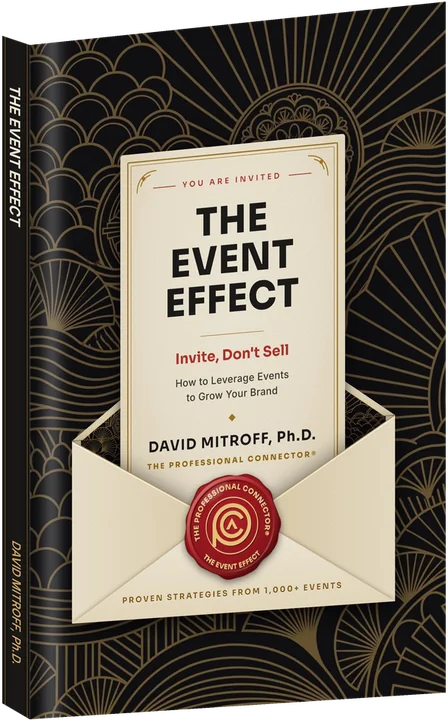
The Event Effect
David wrote the book on events that grow a business. The Event Effect, now in its second edition, covers how to plan, fill, host and follow up on them.
Quick self-assessment
Score your restaurant
Answer nine questions and get an initial score out of 100 for how easy your restaurant is to find and choose online. It is written for restaurants, and built on the nine keys from David Mitroff, Ph.D.’s book Online Business Growth Strategies.
Score your restaurantTake action
Your next three steps
- Choose one event type, such as a workshop, tasting or small dinner, that fits the people you want to reach, and write its purpose in one sentence.
- Write the thank-you note and the follow-up plan before the event, then count meetings booked within two weeks.
- Schedule a call with Piedmont Avenue Consulting, Inc. to plan, promote and run your next event.
In their own words
What clients say about working with us
“Right away things started to happen. We have managed to fill up our seminar rooms again, he has found us great new staff, and business is booming. More than a marketing consultant, he is also a business confidant […]”
 David RosenbaumPartner, McDowall Cotter, APC

“David was extremely helpful, and the most responsive consultant I’ve ever worked with. If he didn’t know something, he had no problem acknowledging that, and calling in an expert. His follow-up was absolutely impeccable.”
 Judith Szepesi, J.D.Partner, Blakely Sokoloff Taylor & Zafman

Read more client stories or see our case studies.
For an example from Beverly Hills, see our page on business consulting in Beverly Hills, where David hosted a Greek and Bulgarian spirits tasting at the SLS Hotel Beverly Hills.
Frequently asked questions
Frequently asked questions
What is event marketing?
Event marketing is promoting a business by bringing the right people together in person or online, so they experience the business, meet the people behind the business and take a next step such as a meeting or a purchase.
What are examples of event marketing?
Restaurant pairing dinners, law firm client seminars, contractor groundbreakings, fitness studio community classes, executive dinners, workshops, trade show booths and webinars are all examples of event marketing.
Is event marketing worth the cost for a small business?
Event marketing is worth the cost when the event has a clear goal and a planned follow-up. Measure follow-up meetings, new clients and introductions, not only attendance.
How is event marketing different from advertising?
Advertising buys attention from strangers, while event marketing earns time with invited guests face to face. The event page, photos and recap also stay online and keep bringing in visitors.
How small can an event marketing effort be?
As small as coffee for two. Open office hours, a lunch for six or a small workshop all count, and they teach the same skills you will use for larger events.
What is the most common event marketing mistake?
Giving guests no real reason to come. A tasting, a place people want to see, a theme, a cause or a launch draws people in a way that “come network” rarely does.
Does Piedmont Avenue Consulting, Inc. plan events for clients?
Yes. Piedmont Avenue Consulting plans, promotes and runs events for owners and hosts The Professional Connector® events. Schedule a call with David to talk about your goals.
Let’s grow together.
Schedule a call with David. Tell us who you want to meet, and we will look at which event would bring them together.
Or call David at 510-761-5895, 8 AM to 8 PM, seven days a week.
About the author
David Mitroff, Ph.D. wrote this article. He is the founder of Piedmont Avenue Consulting, Inc., a business and marketing consulting firm serving the San Francisco Bay Area, Los Angeles, Orange County and New York. Meet David or read more articles by David.
- Founder and Business Growth Strategist at Piedmont Avenue Consulting, Inc.
- Doctorate in clinical psychology, with additional coursework in business administration, law and culinary arts; bachelor’s and master’s degrees.
- Taught marketing and entrepreneurship at the University of California, Berkeley for more than seven years.
- Author of several books, including The 45 Day Consultant, The 45 Day Consultant Field Guide, Online Business Growth Strategies, The Event Effect: Invite, Don’t Sell, and Law Firm Business Growth Strategies (Second Edition).
- Started seven companies; previously owned and ran a recruiting and staffing company.
David works with a small team of consultants and specialists on every engagement. Meet our team or read about Piedmont Avenue Consulting, Inc.