
Franchising in Emeryville
Are you looking for a business consultant to help you grow your business or start a franchise? Contact usEmeryville Franchise Consultant
Franchising seems to be a quick pathway to generate income. However, it may be complicated than it seemed to be. Before going into this business, certain questions are often asked: “How can I grow a successful franchise in the SF bay area?” “How much money do I need upfront?”
A comprehensive evaluation of the business strategy is a critical key to your franchise’s success. A solid marketing plan is also very important and it helps with your revenue and reputation in your surrounded area. The marketing plan includes online marketing, (Social Media Management, Email Marketing, Paid Ads), Customer Loyalty programs and new technology to streamline operations and more.
Whether you are considering expanding your business or starting your franchise, we are here to help. Schedule a call with David Mitroff, Ph.D. today to learn more about how we can help you achieve your goals and strengthen your franchising business in Emeryville.
Looking for advice on your Emeryville Franchise Business?
Thinking of opening a new Franchise business in northwest Alameda County, California?
Thinking of opening another Franchise location in Emeryville?
Looking for help to grow your franchising business in Emeryville (creating franchising business plans, hiring and training employees, setting up systems, online marketing, operations systems…)? Looking to improve your existing Emeryville business’s marketing and promotion (press release, online marketing, website optimization, sales pipeline, customer loyalty, …)?
Here is the list of some franchises we worked with: (See the full list of our clients)
- Orangetheory Fitness
- Subway
- Ben & Jerry’s
- La Quinta
- Red Roof
- Holiday Inn Express
- Vitality Bowls

Emeryville Franchise Business Franchise Examples
Peet’s Coffee & Tea (https://www.peets.com/) Located at 5959 Shellmound St #85, Emeryville, CA 94608. Peet’s Coffee & Tea is dedicated to sourcing high-quality beans, hand-roasting them in small batches and delivering them fresh daily to coffee lovers throughout the United States and around the world. (510) 844-0850
Lululemon (https://shop.lululemon.com/) Located at 1901 Fourth St Suite 102, Berkeley, CA 94710, Lululemon makes technical athletic clothes for yoga, running, working out, and most other sweaty pursuits. (510) 666-0418
Orangetheory Fitness (https://www.orangetheoryfitness.com/) Located at 5959 Shellmound St, Emeryville, CA 94608, Orangetheory Fitness offers group personal training workouts based on high-intensity interval training that blend cardiovascular and strength training. (510) 560-4565
Jamba Juice (http://www.jambajuice.com/) Located at 5761 Christie Ave, Emeryville, CA 94608, Jamba Juice provides fruit smoothies, all-natural baked goods, steel-cut oatmeal, sandwiches and other healthy choices for an active lifestyle. (510) 596-0620
Denny’s (dennys.com) Located at 1776 Powell St, Emeryville, CA 94608, Denny’s is a casual diner chain dishing up classic American comfort fare, including breakfast, 24 hours a day. (510) 658-7950
Best Practices for Marketing your Franchise in Emeryville
- Emeryville, CA, Concord, CA, Danville, CA
- Alamo, CA, Fremont, CA, Lafayette, CA
- Walnut Creek, CA,, Pleasant Hill, CA, San Ramon, CA
- Montclair Village, CA, Livermore, CA, Orinda, CA
- San Jose, CA, Richmond, CA, Dublin, CA
- Pleasanton, CA, San Leandro, CA, Alameda, CA
- Martinez, CA, Antioch, CA, Brentwood, CA
- Clayton, CA, Hayward, CA

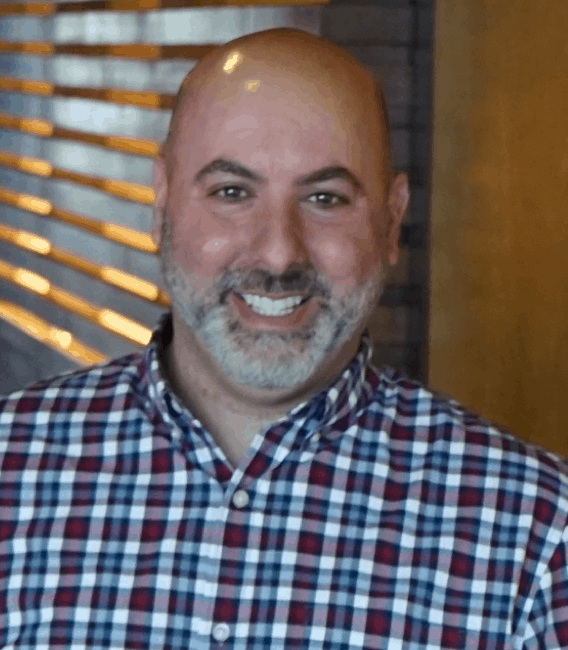
David Mitroff, Ph.D. is the Founder and Chief Consultant at Piedmont Avenue Consulting. David questions assumptions offers creative restaurant concept ideas and encourage new initiatives from strategy through implementation. David’s wealth of knowledge is transferred to clients leading to heightened sales, increased customer experiences, and enhanced relationship building techniques. David has an extensive educational background, in addition to professional sales training, which includes a Ph.D. in Clinical Psychology with coursework in Business Administration, Legal Studies, and Marketing providing a foundation for excellent critical and analytical thinking, business strategy, relationship building, and networking.