

A TEDx idea for owners
How Leaders Create Luck
People call some owners lucky. David Mitroff, Ph.D. sees something else: a clear goal, steady action, and relationships built long before anyone needed them.
The short answer
How leaders create luck comes down to action and people: decide what you want, show up where the opportunity is, and build relationships before you need them. Piedmont Avenue Consulting, Inc. helps owners turn that into a plan, with events, introductions and marketing that keeps working. We serve owners across the San Francisco Bay Area, Los Angeles, Orange County and New York.
From The 45 Day Consultant Field Guide
In the chapter titled “How Leaders Create Luck,” David Mitroff, Ph.D. writes:
“Opportunity rarely arrives from nowhere. It arrives through a person, and usually a person you took the time to know before you needed anything from them. If you want more luck, be in more rooms and be useful in them.”
Luck in business usually has a name and a face. Spend time knowing people and being useful to them now, not only on the day you need help.
 (opens in a new tab)
Get the book on Amazon (opens in a new tab)
See every chapter
The point of view
David’s TEDx talk on creating luck
David Mitroff, Ph.D. does not believe luck simply shows up. In his TEDx talk at TEDxPurdueU in Indiana, he shared a truth that changed how he thinks about growth: luck favors those who show up prepared. When you take steady action, put yourself in good positions and deliver value in public, opportunities start to find you. Luck is made through momentum, not wishful thinking.
He opened that talk with one question: how do people adjust to life after a big shift? He spoke not long after the pandemic. In his own business and in his clients’ businesses, the people who came out ahead were not the ones with the best forecasts. They were the ones who stopped waiting to see what would happen and started doing things. Leaders do not wait. They take action.
The second half of the talk is about relationships, because that is where most business luck comes from. The changes that create luck are smaller than people expect. One conversation a week. One event you host instead of attend. One follow-up you actually send. None of these feels like a turning point on the day. Eighteen months later, they look like a run of good fortune.
Think about the times someone seemed to refer you at random, or a client seemed to stumble onto your website. David says that was not luck. That was visibility, trust and timing. The goal is to create more of those moments on purpose, by choosing where you show up, what you offer and who you connect with. You can watch the TEDx talk here.
“Most people spend their energy on the first list, which feels like diligence and produces nothing. Every hour spent there is an hour not spent preparing for an opportunity, and the preparation is the entire mechanism by which luck arrives.”
From the book
How David started spending time on boats
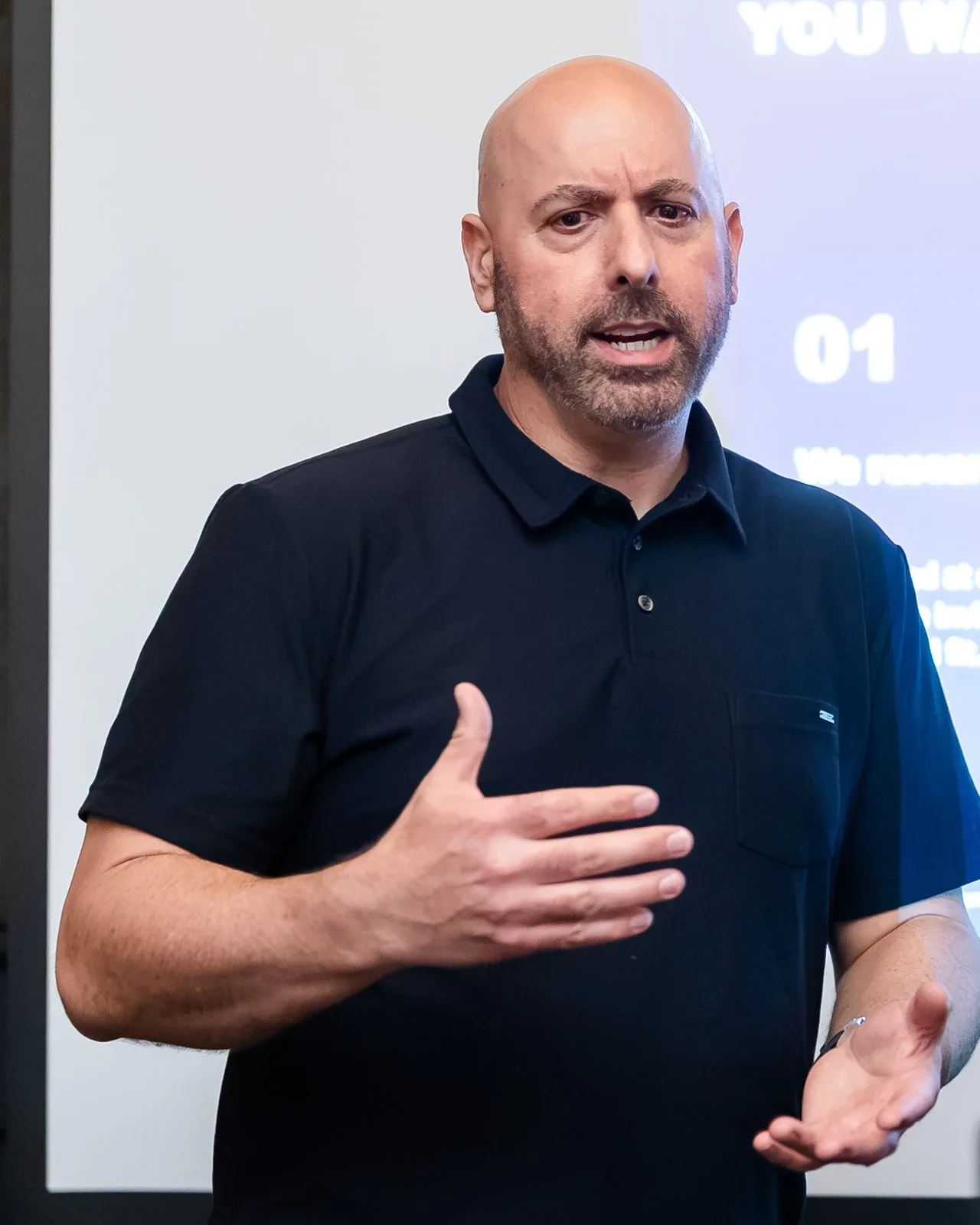
In the book, David tells how he decided he wanted to spend time on boats. So he started connecting with yacht dealers and brokers on LinkedIn and inviting them to his events. Whether they came did not matter. Before long, people were inviting him out on the water.
Then one of those people, who runs the largest yacht dealership in California, hired him. She paid him as a consultant for three years, they grew her business together, and he could use her boats whenever he wanted. People told him he was lucky. He says there was nothing lucky about it. He decided what he wanted, worked out who was near it, and invited them to things for a year.
Decide what you want, then invite the people who are already near it.
Habits that make luck
Small steps that create luck
None of these needs a big budget. Each one gives luck something to work with.
Fix the twenty-five cent problem
David’s first car had a back door that would not open for two or three years. The part cost twenty-five cents at a Volvo dealership. What small fix are you avoiding?
Work from the list you control
Write down ten things you cannot control. Read that list once and set the list aside. Then write ten things you can act on this week, and work only from the second list.
Practice before the moment comes
Arnold Palmer said the harder he practiced, the luckier he got. David and his friends rarely hit rocks when they kayak, because they check the app and go around the rough stretch.
Host something simple
Post open office hours at a coffee shop. Even if nobody comes, you show leadership, look open to people and leave a reminder that you are active.
Invite everyone you know
David’s grandmother threw a big party every January and invited every person she knew. For the rest of the year, people invited her to their events. She never had to chase anyone.
Active and passive marketing
Active and passive marketing
Active marketing
- Direction
- Outbound: you choose who to reach and go to them
- Examples
- Direct mail, cold calling, events, partners, talks, introductions and email
- Speed
- Works fast, because you are in front of the people you picked
- When you stop
- The results stop the day you stop
- Main job
- Closes, by leading to a phone call and a meeting
Passive marketing
- Direction
- Inbound: people find you when they are ready
- Examples
- Your website, a print ad, a directory listing, an article or a video
- Speed
- Slower to start, and the results build over time
- When you stop
- An article from three years ago can still bring a client this week
- Main job
- Brings people in while you sleep
Use both, and ask every new lead how they found you, so you know which pieces bring real business.
Watch David
Two TEDx talks on growth and leadership
David Mitroff, Ph.D. gives this chapter as a talk. Watch both of his TEDx talks below. Each video loads only when you press play.
How Leaders Create Luck
TEDx PurdueU, Purdue University. Watch on TED (opens in a new tab) Read the transcript
When Are You Good Enough to Become an Industry Expert?
TEDx Andrews, South Carolina. Watch on TED (opens in a new tab) Read the transcript
David can speak on this topic
A keynote talk based on this chapter
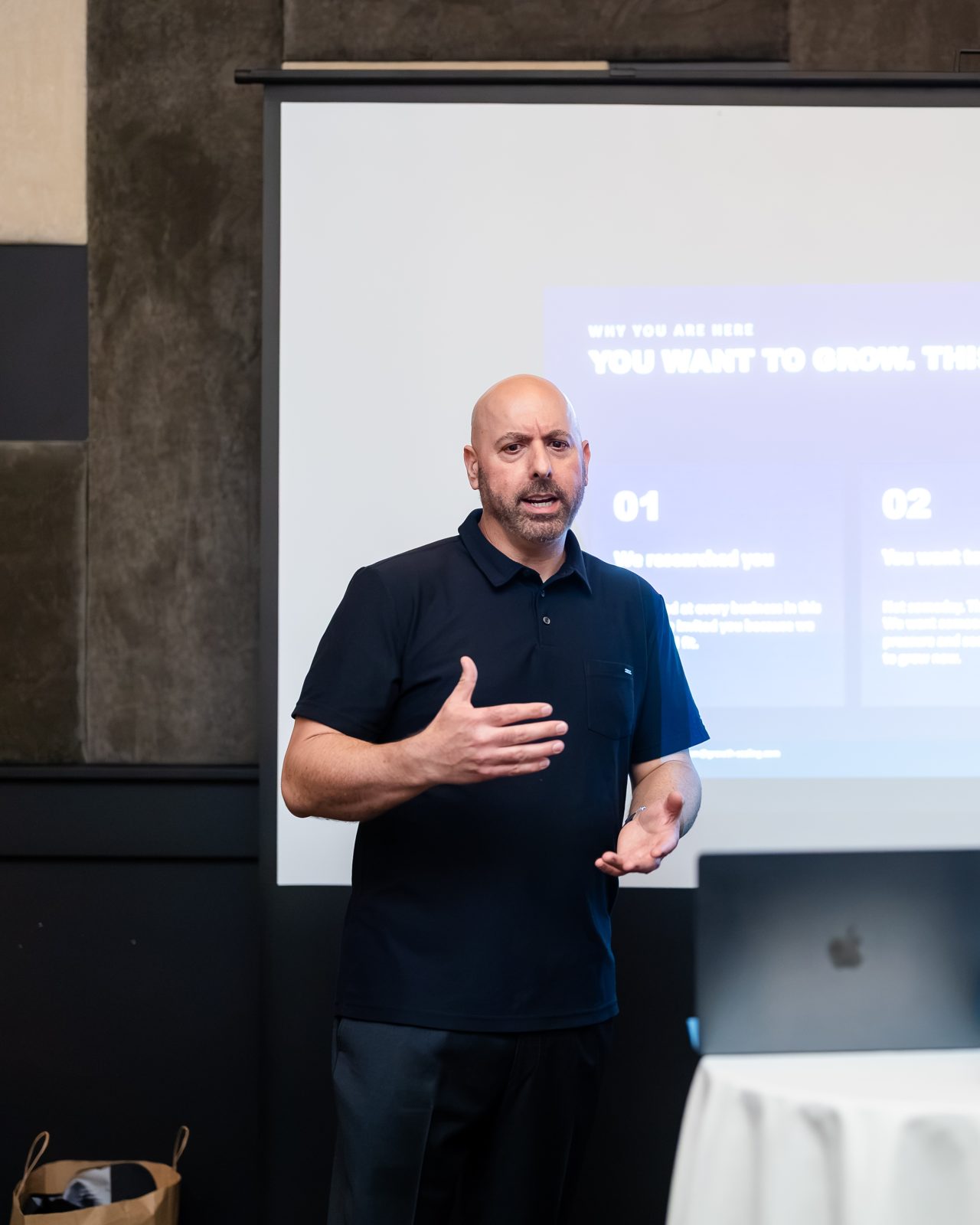
This chapter is also a keynote talk, based on David’s TEDx PurdueU talk. Audiences take home the two-list exercise, the twenty-five cent question and small weekly habits that create more chances.
Every chapter of The 45 Day Consultant Field Guide is also a keynote talk. David gives these talks to companies, associations, conferences and leadership teams.
David also gives a related keynote, How Leaders Create Luck, his TEDx talk on how giving value first and small actions turn into real opportunities. See his keynote programs (opens in a new tab)
A real result
How this idea worked for a client
From the outside, a new $2 million grant can look like luck. For Granite Wellness Centers, the win came with real preparation: our team wrote the grant application, trained the executive leadership team and led an all-staff training.
 NonprofitA new $2 million grant
Granite Wellness Centers won a new $2 million grant. We wrote the grant application, trained the executive leadership team and led an all-staff training.
Read the case studyTestimonials
What our clients say
“Right away things started to happen. We have managed to fill up our seminar rooms again, he has found us great new staff, and business is booming. More than a marketing consultant, he is also a business confidant […]”

“David was very helpful with structuring online marketing for my business. He presented clear ideas and strategy that was totally relevant for my dental office. His innovative thinking helps me to think outside the box.”

“We worked with Piedmont Avenue Consulting to implement new sales processes and launch a successful customer loyalty program. As a result, we have dramatically increased revenues from catering events and ‘front of mind’ sales.”

How it works
How we work: call, assessment, plan.
Schedule a call
Tell us where the business is today and where you want it to be.
Assessment
We look at your numbers, marketing, team and operations.
90-day plan
Three to five initiatives with owners and dates, plus a 12-month marketing calendar.
Ongoing initiatives
We stay on as a long-term partner and keep the plan moving.
We start with an assessment, agree on the priorities that matter most, and define what success looks like, then build a 90-day plan for ongoing work.
On the blog
Articles that go deeper on this chapter
Keep reading
More chapters from the Field Guide


Questions
Questions owners ask
Can leaders really create luck?
Yes. David Mitroff, Ph.D. argues that luck favors people who show up prepared. Steady action, good positioning and value delivered in public put you where good coincidences can happen.
Where can I watch the TEDx talk How Leaders Create Luck?
David Mitroff, Ph.D. gave the talk at TEDxPurdueU in Indiana. You can watch on our How Leaders Create Luck video page.
What is the two-list exercise?
David Mitroff, Ph.D. asks clients to write ten things they cannot control, read that list once and set the list aside. Then clients write ten things they can act on this week and work only from the second list.
Why host an event if nobody comes?
Hosting shows leadership and generosity, and the invitation reminds people that you are active. In The Event Effect, David Mitroff, Ph.D. explains that the value of events lies in visibility and the invitation, not only in attendance.
What is the difference between active and passive marketing?
Active marketing means reaching out to people you choose, through calls, events and talks. Passive marketing, such as a website or an article, lets people find you on their own schedule. David Mitroff, Ph.D. says owners need both.
Should owners ask for referrals or for introductions?
David Mitroff, Ph.D. advises owners to ask for introductions, not referrals, and to follow up with intent. Every person you meet could connect you to twenty or more others.
How does Piedmont Avenue Consulting, Inc. help owners create more opportunities?
Work with Piedmont Avenue Consulting, Inc. starts with a call and a paid assessment. Then we build a 90-day plan with three to five initiatives and a twelve-month marketing calendar, so the right actions happen on schedule.
Work with us
Schedule a call about growing your business
Every engagement starts with an assessment and a shared definition of success. We start with an initial consultation and a paid assessment, then build a ninety-day plan and a twelve-month marketing calendar.
One conversation and a clear next step.