Overview
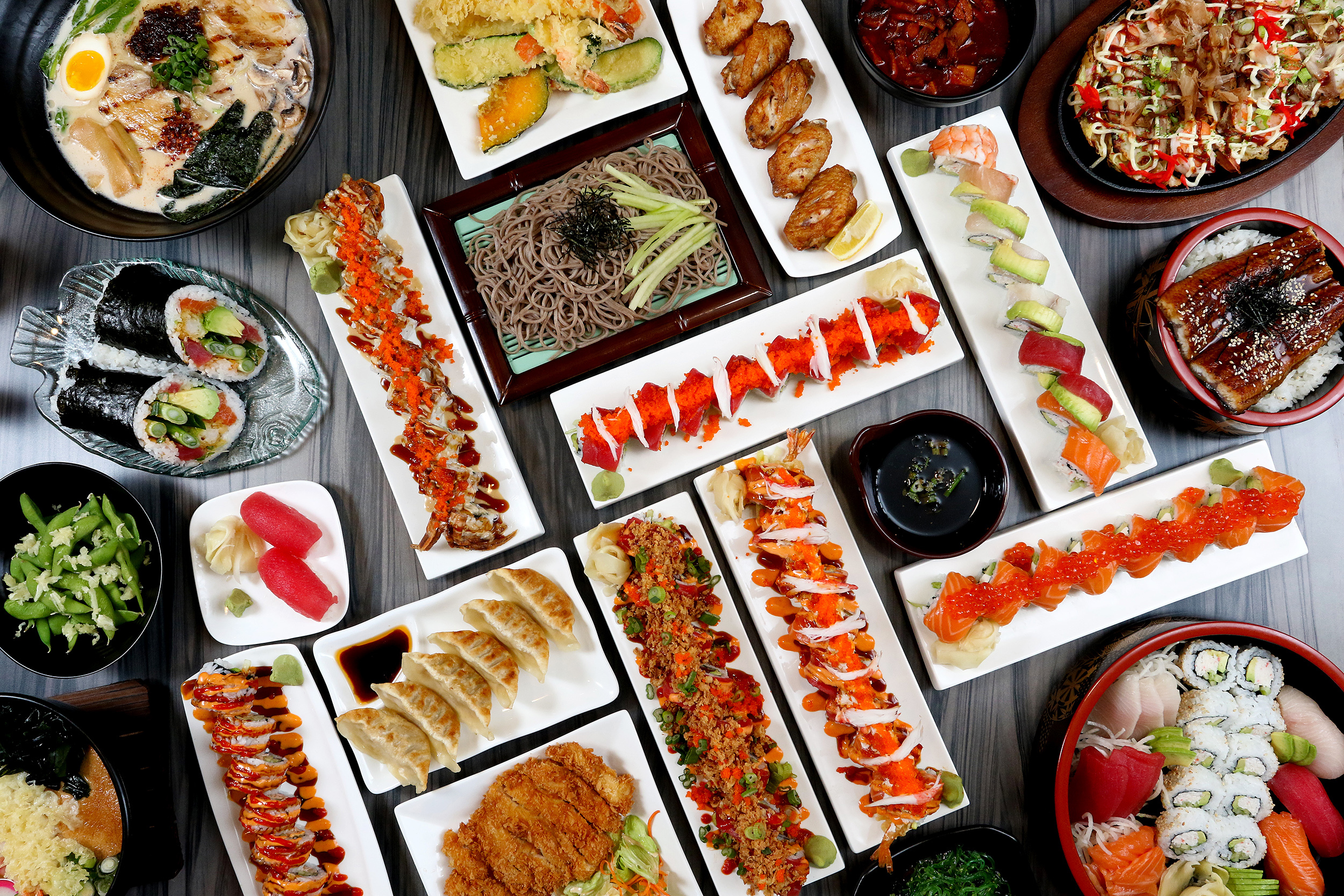
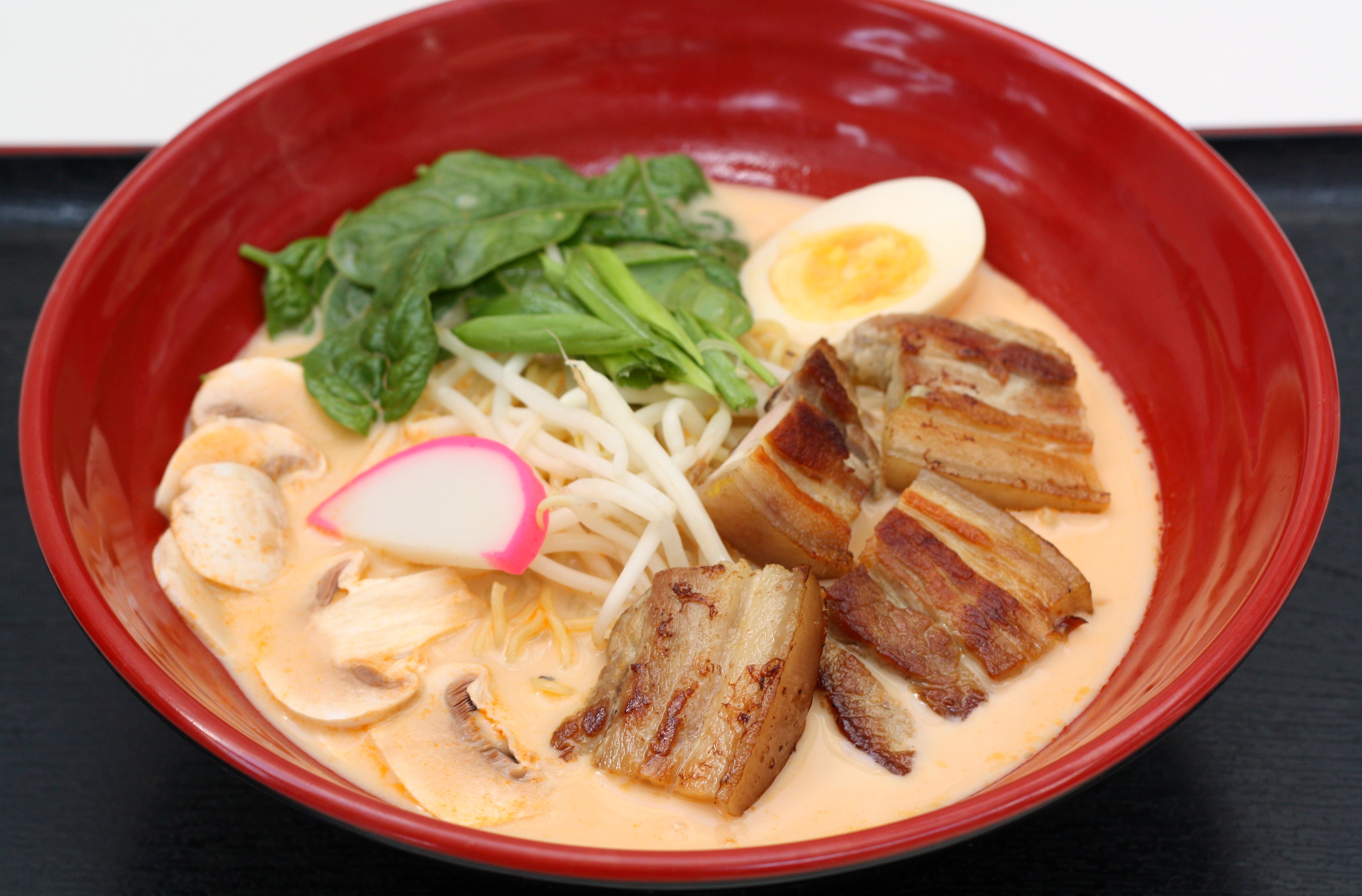
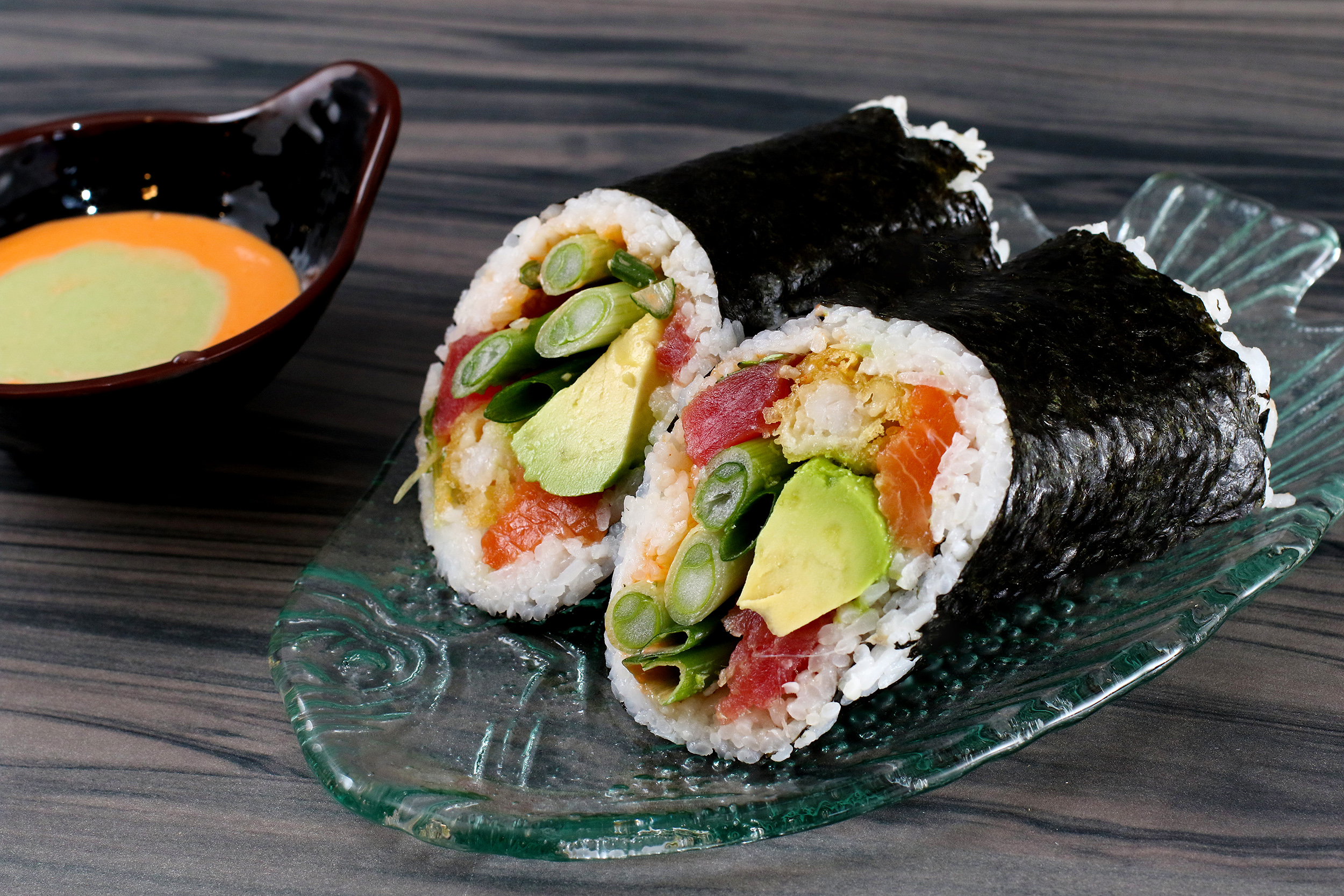
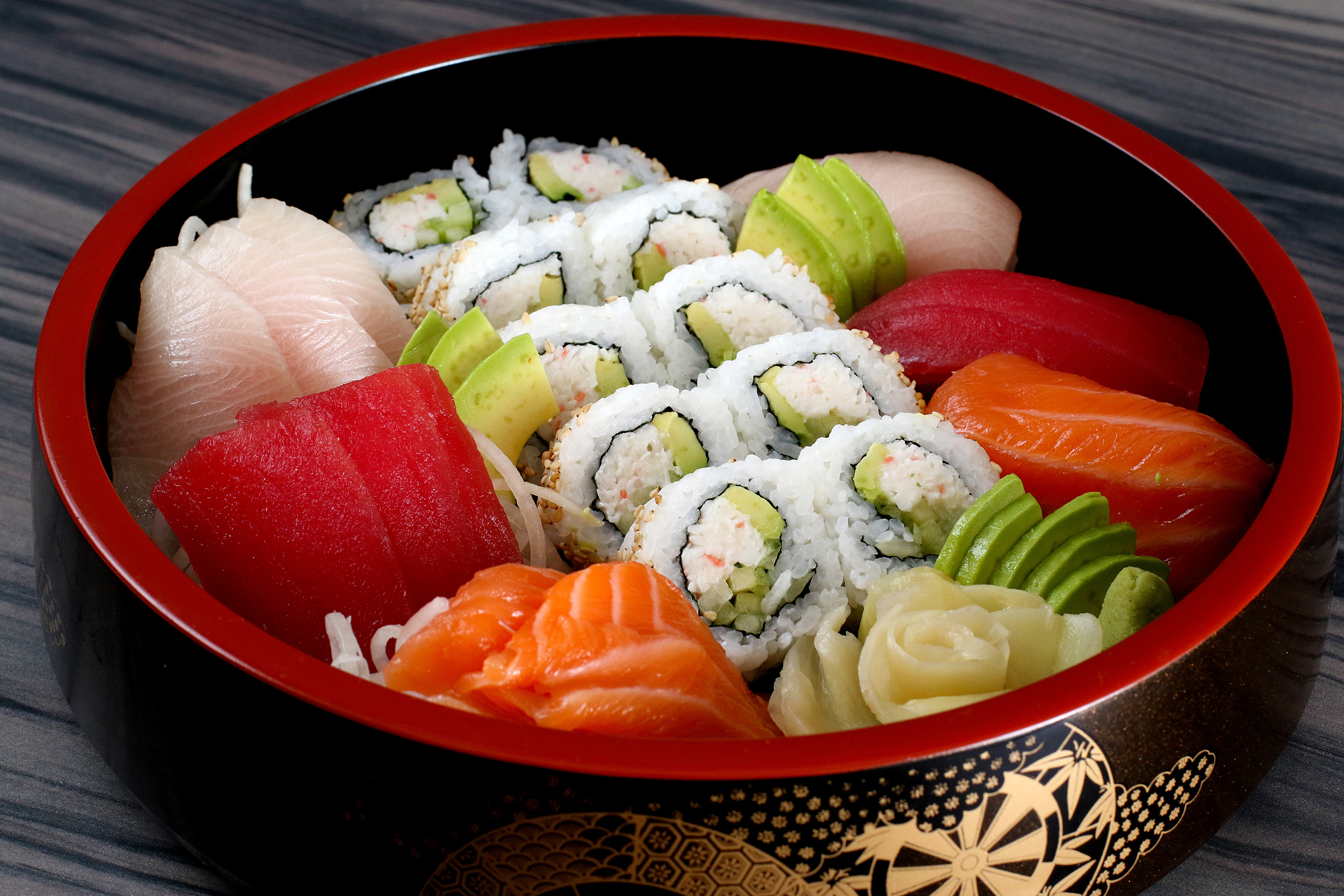
Kui Shin Bo is a family-owned, authentic Japanese restaurant that has anchored San Francisco’s Japantown for over 50 years, serving specialty and classic sushi, ramen, and a full menu of Japanese specialties. With the flagship thriving and a half-century of goodwill behind it, the owners were ready to grow — and the smartest growth for an established name isn’t starting over, it’s extending trust into new locations and new revenue channels.
Growth levers in restaurant marketing San Francisco
A successful single-location restaurant has two obvious growth levers: open another location, or add revenue channels that don’t depend on more dining-room covers. Catering and delivery partnerships do the latter — they monetize the kitchen’s capacity beyond the dining room and beyond peak hours.
For an established name with real brand equity, the opportunity is to extend earned trust into those new channels rather than build awareness from scratch. A 50-year reputation is an asset most new restaurants would pay almost anything for; the strategic question is how to put it to work in more places. Part of that is simply being discoverable where diners now decide — on platforms like Yelp, in local search, and in the corporate-ordering tools event planners use. The brand was strong; the job was to make it work harder.
The challenge: restaurant marketing San Francisco
Kui Shin Bo was opening a second location on Lombard Street and wanted to build catering revenue and online visibility for both. The challenge was launching the new location with awareness from day one while simultaneously standing up catering as a genuine, repeatable revenue channel rather than an occasional add-on.
Doing both at once is where many restaurants stumble. A second location can dilute a brand if it speaks with a slightly different voice; a catering program can fizzle if it’s treated as an afterthought rather than a real channel with its own menu, pricing, and partnerships. Both needed to launch under one coherent brand without cannibalizing the flagship.
A strategy built on restaurant catering partnerships
We extended the brand’s existing reputation into new channels rather than rebuilding it. For the second location, that meant launching the Lombard Street opening with built-in local awareness under one consistent brand presence. For catering, it meant creating a dedicated menu and plugging into the platforms that corporate and event buyers already use — turning the kitchen’s capacity into a second revenue line.
The unifying idea was leverage: a 50-year name should make every new venture easier, not require starting from zero. So the strategy concentrated on consistency (one brand across two addresses and a catering channel) and on meeting buyers where they already are, rather than trying to invent demand.
What we did to drive Japanese restaurant brand awareness
The engagement combined expansion support, catering, and digital presence:
- Helped Kui Shin Bo open their second location on Lombard Street and build awareness for it.
- Created a catering menu and secured partnerships with Caviar, ZeroCater, and Eat24.
- Strategized online presence across website, Yelp, and Google to grow customers and catering events.
- Expanded marketplace presence to position them as a leading Japanese restaurant and caterer in San Francisco.
Second location launch without splitting the brand
Opening a second location is where many restaurants quietly dilute themselves — two addresses, two voices, no shared engine. We launched the Lombard Street location under one consistent brand presence and a unified digital footprint, anchored by a strong Google Business presence for each address so both showed up cleanly in local search.
The catering program then layered a third revenue channel on top of both dining rooms. We created a dedicated catering menu and secured partnerships with Caviar, ZeroCater, and Eat24 — the delivery and corporate-ordering platforms where event and office buyers actually look. That put Kui Shin Bo in front of a whole category of demand it had never systematically reached.
The result was growth that came from new channels and new locations rather than just hoping for more dining-room traffic — a far more durable way to expand an established restaurant.
The results
Kui Shin Bo opened its second Lombard Street location with built-in awareness, launched a working catering program through Caviar, ZeroCater, and Eat24, and strengthened its online presence to grow customers and events year-round. The result extended a 50-year reputation into new locations and new revenue channels without diluting the brand that made it possible.
Crucially, the new revenue didn’t depend on simply hoping for more foot traffic. Catering monetized the kitchen beyond the dining room, the second location multiplied reach, and a unified digital presence made both discoverable — three durable growth levers working together rather than one fragile one.
Protecting the brand across every channel
Extending a 50-year name into a second location and a catering program creates a quiet risk: every new touchpoint is a chance for the brand to drift. A catering menu that feels generic, a second location that reads as a different restaurant, or inconsistent profiles across platforms all chip away at the equity that made the expansion possible in the first place. We treated brand consistency as a non-negotiable, making sure the voice, presentation, and quality cues were the same whether a customer found Kui Shin Bo in the original dining room, on Lombard Street, or through a catering order.
That consistency is what lets reputation do its compounding work — a strong impression in one channel reinforces trust in the others. Sustaining it is ongoing brand awareness work, not a one-time setup, and it’s the same principle behind how we helped Library on Main establish a new identity and how we approach client engagements generally. For an established restaurant, the brand is the asset; every growth decision has to protect it. That is also why we kept the catering and second-location launches under a single coordinated plan rather than treating them as separate projects, since fragmented growth is exactly how a strong brand becomes a diluted one, and coordination is the cheapest insurance against that outcome.
Handled this way, expansion strengthens the original restaurant instead of competing with it. Each new channel sends discovery back toward the flagship, the shared reputation lifts every location and order at once, and a customer who first meets Kui Shin Bo through a catering order may well become a regular in the dining room.
Why it worked — and what it means for you
The playbook fits any established restaurant ready to grow: extend earned trust into new locations and channels rather than rebuilding awareness from scratch. The brands that struggle in expansion usually treat each new venture as a fresh start; the ones that succeed treat their reputation as leverage.
If you operate a Bay Area restaurant weighing a second location or a catering channel, a San Francisco restaurant marketing consultant can help you grow without diluting the brand you’ve built. For a larger catering-led engagement, see how we scaled Ben & Jerry’s corporate catering program, or explore our customer loyalty approach for hospitality businesses.
The methodology behind the numbers
Every result here traces back to four principles we apply universally: leverage what already exists, implement alongside the team, transfer the capability, and hold the work to measurable, time-bound outcomes. It’s why a single project so often becomes a multi-year relationship — the client ends up with a system, not a dependency.