Overview
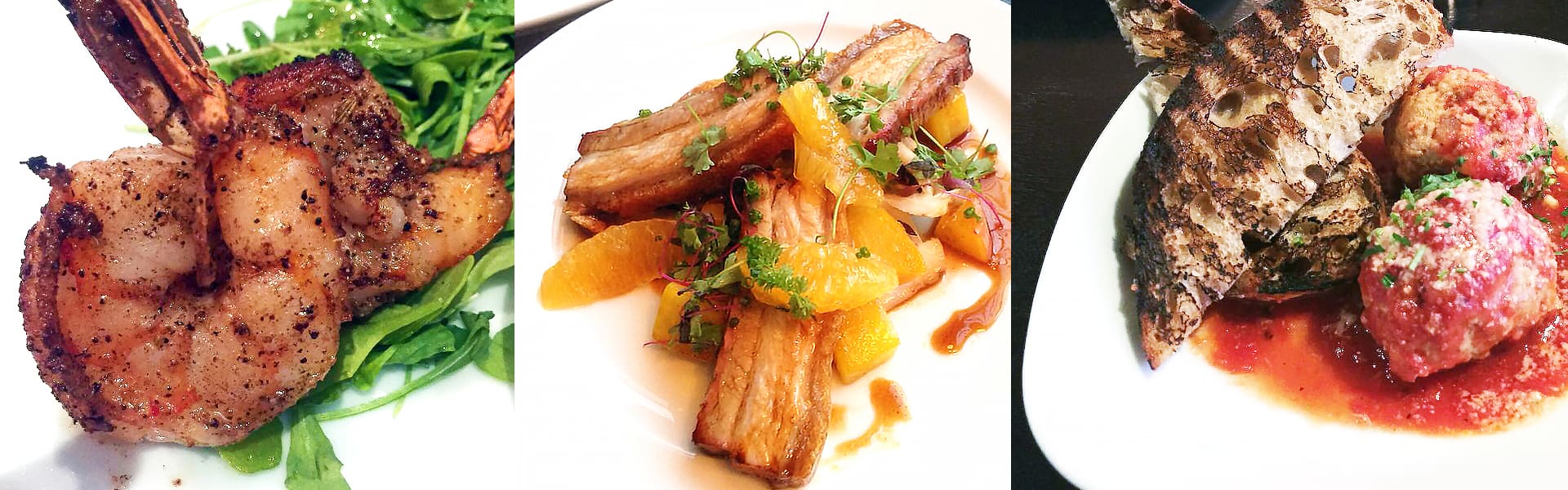
On the site of Walnut Creek’s first library, Library on Main was rebranded from Élevé into a comfort-food and bar concept with a flexible dining and event space, rotating pop-up restaurant concepts, and the established L.O.M. cocktail bar. Our work centered on launching the new identity and filling the space — turning a repositioning into reservations, event bookings, and genuine local buzz.
What a restaurant rebrand really has to do
A restaurant rebrand is not a new logo — it is a transfer of equity from an old identity to a new one without losing the audience in the handoff. Done well, it reframes the venue’s purpose and opens new revenue, here through events and pop-ups, while preserving what already worked, like an established cocktail program. Done poorly, it confuses loyal regulars and fails to reach anyone new, landing in the worst of both worlds.
The fastest way to give a new identity credibility is earned attention. Press coverage and reviews on platforms like OpenTable tell diners that a place is worth trying far more persuasively than the venue’s own advertising can. For a rebrand, that third-party validation does the heavy lifting of convincing the market that something new and worthwhile has arrived.
The challenge: restaurant rebrand marketing
The venue needed to reposition from Élevé into a flexible dining-and-events concept while building buzz for the new identity — capturing reservations and event bookings without losing the goodwill the location had already earned. A rebrand always risks the existing audience, so the work had to bring regulars along while reaching an entirely new crowd.
It also had to establish a genuinely new line of business. Positioning Library on Main as an event space and pop-up host, not just a restaurant, meant marketing to a different buyer — people planning private events and gatherings — alongside everyday diners, all under one coherent brand.
A strategy built on event venue marketing
We positioned Library on Main as more than a restaurant — a dining venue and event space that could host pop-ups and private bookings while keeping the L.O.M. cocktail bar as a familiar anchor. Social media drove reservations and event interest, while earned media built credibility for the new identity faster and more convincingly than advertising could.
The strategy leaned on public relations precisely because a rebrand needs third-party validation to land. We pursued the coverage and reviews that tell the market a place is worth trying, an approach consistent with how we build brand awareness for hospitality clients reinventing themselves.
What we did to drive Walnut Creek restaurant marketing
The engagement combined social, PR, and positioning:
- Leveraged social media, including Facebook, to increase reservations and event bookings.
- Built online presence across Yelp, YouTube, Twitter, and other sites.
- Expanded marketplace presence as a leading Walnut Creek restaurant, bar, and event space.
- Submitted press releases and worked with Diablo Magazine, East Bay Times, and other outlets.
Hospitality public relations that builds a new reputation
A rebrand needs third-party credibility, and PR delivers it faster than any ad campaign. We pursued earned coverage and worked closely with regional outlets like Diablo Magazine and the East Bay Times, whose attention signaled to local diners that Library on Main was a destination worth visiting.
That earned attention translated into awards and recognition, including mentions across OpenTable and Yelp — exactly the social proof that convinces a hesitant diner to book. Recognition from trusted sources is worth far more than self-promotion during a relaunch.
Alongside the PR, social media did the day-to-day work of driving reservations and event bookings and showcasing the flexible space, the pop-ups, and the cocktail program, keeping the new identity vivid and top-of-mind while the earned media built its reputation.
The results
Library on Main launched as a recognized Walnut Creek dining and event destination, with social media driving reservations and bookings and earned media producing awards and mentions across Diablo Magazine, OpenTable, and Yelp. The rebrand achieved its hardest goal — transferring equity from the old identity to the new one without losing the audience in between.
Just as important, the venue established a second revenue line as an event space and pop-up host, broadening it beyond everyday dining. The combination of a reframed purpose and credible, earned attention turned a risky repositioning into a genuine relaunch.
What this transfers to
Any business reinventing itself faces the same core task: move the audience from the old identity to the new one without losing them, and earn third-party credibility for the change faster than self-promotion can. PR and reviews do that work because the market trusts outside voices more than a brand talking about itself. The lesson generalizes well beyond restaurants — it is how any rebrand earns belief. The same earned-credibility approach informs our portfolio of engagements and our brand awareness work for businesses entering a new chapter.
A rebrand also has an internal dimension that is easy to overlook from the outside. Staff, regulars, and partners all need to understand the new identity and tell its story consistently, because a venue whose own people are unclear on what it has become will confuse the market no matter how good the PR is. Part of a successful repositioning is making sure everyone connected to the business can articulate the new concept clearly.
The event-space line of business deserves particular attention, because it reaches a different buyer on a different timeline than everyday dining. Private-event and pop-up bookings are planned in advance and chosen on trust, which is why the earned media and awards mattered so much: they gave event planners third-party reasons to believe in the venue. Treating events as a distinct audience, not an afterthought, is what turned the flexible space into real revenue.
For any business reinventing itself, the principle holds: reframe the purpose, protect the goodwill you have, open the new revenue deliberately, and let outside voices establish the new reputation faster than you could on your own. That earned-credibility approach informs our brand awareness work and runs through our portfolio of client results.
The bottom line
Library on Main demonstrates that a rebrand is ultimately a credibility project. The new identity only succeeds if the market believes in it, and belief comes faster from trusted outside voices — press, reviews, and awards — than from anything a business says about itself. By protecting the existing goodwill, opening a genuine new revenue line in events, and letting earned media establish the new reputation, the venue turned a risky repositioning into a real relaunch. For any business entering a new chapter, the playbook is the same: reframe the purpose clearly, bring your existing audience along, and invest in the third-party credibility that makes the change stick. To see how we apply that thinking across other clients, browse more client success stories or our brand awareness work.
Why it worked — and what it means for you
The playbook fits any venue reinventing itself: reframe the purpose, open new revenue, keep what already worked, and let PR build the new reputation faster than advertising can. The rebrands that fail usually either abandon their existing goodwill or rely on self-promotion the market discounts; earned credibility is what makes a new identity stick.
If you are rebranding a restaurant or launching an event space, a Walnut Creek restaurant marketing consultant can help the new identity land. For a related food-and-events engagement, see how we grew Ben & Jerry’s catering program, or explore our broader body of client work.
The methodology behind the numbers
The results came from the same four operating principles we bring to every engagement: refocus what already exists before recommending new spend, pair strategy with hands-on implementation, transfer skills so the team can run the work afterward, and tie everything to outcomes with timing. That sequence is deliberately industry-agnostic — the specifics change, but the logic of finding the leverage, building the system, and handing over the keys is what makes results durable.