If you’re looking for an expert on hotel brand marketing, Piedmont Avenue Consulting can help you in reaching your business goals.
Hotels need to strategize and adjust according to the market demands in a city as diverse as San Francisco. Businesses in the Hotel and Hospitality industry need to focus on the importance of Social Media, Customer Loyalty programs and New Technology to streamline operations. Piedmont Avenue Consulting provides expert knowledge on hotel marketing and creating overall business growth through new technology.
Contact us today to schedule a free consulting session to find out how we might be able to help with marketing strategies for your hotel.
Hotel Marketing Workshops in San Francisco and Bay Area Cities
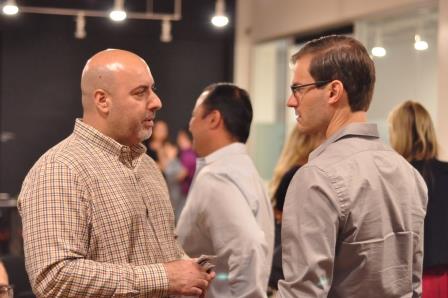
Maximize your hotel’s appearance in branding and create a strong social media presence as well as brand awareness, through David Mitroff’s seminars on Increasing SEO, Website and Call to Action strategies.
Piedmont Avenue Consulting, Inc. is a San Francisco Bay Area based business development and marketing consulting firm who creates brand awareness, strengthens customer loyalty, and increases lead generation through leveraging new technologies and streamlining business processes. We work with new and established companies, restaurants, franchises, law firms, high-growth start-ups, retail specialty stores, professional services firms, individual entrepreneurs and other diverse organizations.
Click here to view a list of upcoming events that could help grow your Hotel.
About David Mitroff, Ph.D.

David Mitroff, Ph.D. is the Founder and Chief Consultant at Piedmont Avenue Consulting.
David Mitroff, Ph.D. is the Founder of Oakland based Piedmont Avenue Consulting through which he provides business consulting and marketing services to create brand awareness, strengthen customer loyalty and generate new opportunities. David works with a diversity of clients in the San Francisco Bay Area and beyond such as restaurants and retail specialty stores, franchises, professional services firms, start-ups and individual entrepreneurs. David offers creative ideas, encourages new initiatives, and implements various strategies to accomplish those ideas and initiatives.
Top San Francisco and Bay Area Hotels for Marketing Ideas
One of the best ways to improve your San Francisco Hotel Marketing is by reviewing other Bay Area Hotel marketing presence:
1. Nob Hill Hotel
The Nob Hill Hotel (www.nobhillhotel.com/) located at 835 Hyde Street, San Francisco reflects a European Boutique atmosphere, providing an elegant experience from its marble floors, stained glass panels, grand chandeliers, and a complimentary glass of wine.
2. The Marker
The Marker (themarkersanfrancisco.com) located at 501 Geary Street, San Francisco offers a modern and trendy feel, which attracts people from all over. Located in the heart of the city, this quaint hotel stands out for its unique design.
3. Queen Anne Hotel
The rich Victorian architecture and charm in the Queen Anne Hotel (www.queenanne.com/) located at 1590 Sutter St, also famously referred to as the “Painted Ladies,” is enough to make guests feel as if they’re stepping back into the luxuriousness of San Francisco in the late 1800s.
4. Golden Gate Hotel
Situated in walking distance from famous Bay Area locations, such as Fisherman’s Wharf and Lombard Street, the Golden Gate Hotel (www.goldengatehotel.com/) located at 775 Bush Street, San Francisco mixes traditional and modern charm to house both tourist and local guests.
5. Clift Royal Sonesta
The Clift Royal Sonesta Hotel (www.sonesta.com/) located at 495 Geary Street, San Francisco is a modern hotel that takes a twist on old-world hotels and extremely modern design. This diverse, unique hotel gives off a similar feel to the diversity of San Francisco.
San Francisco Hotel Marketing Example
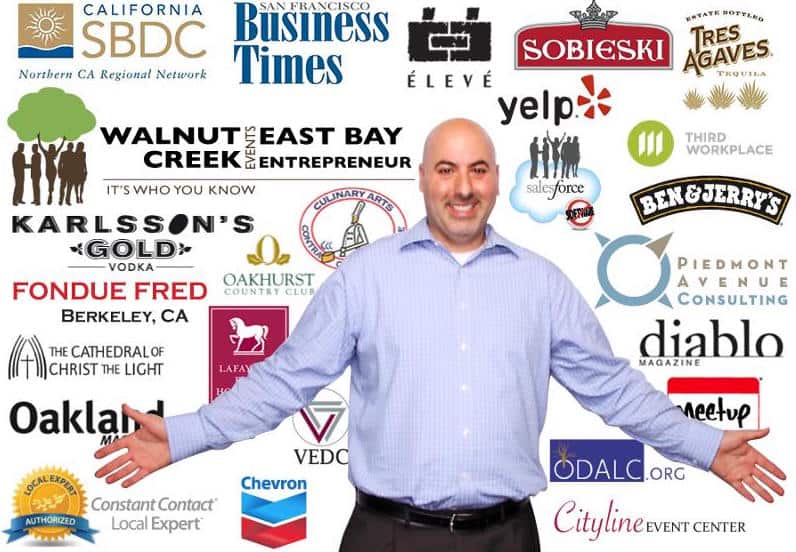
Brand Awareness & Lead Generation
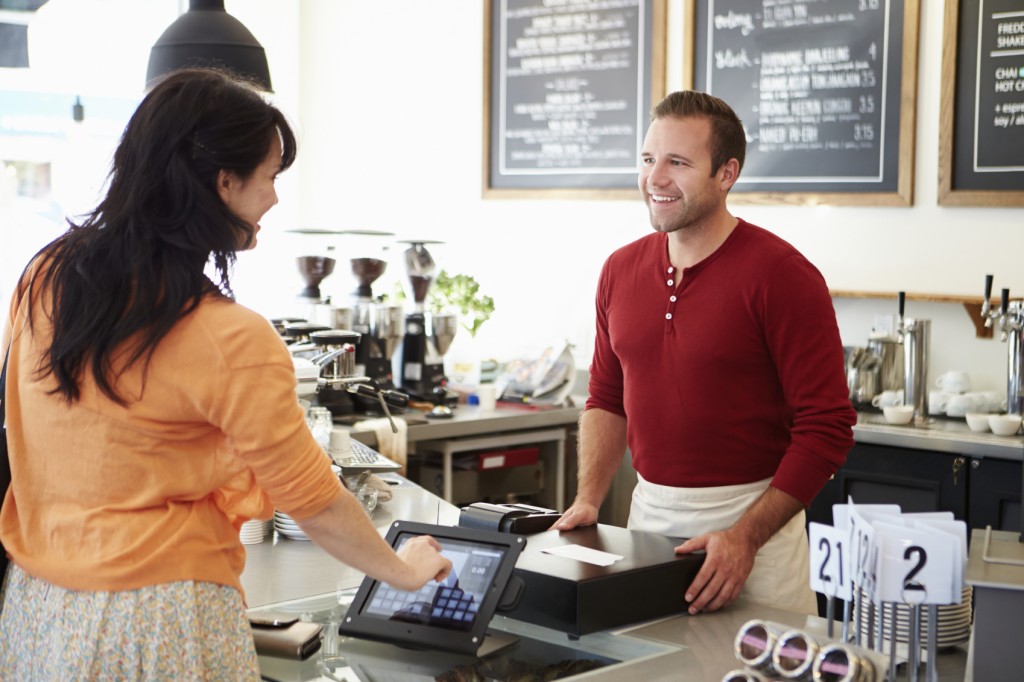
Customer Loyalty