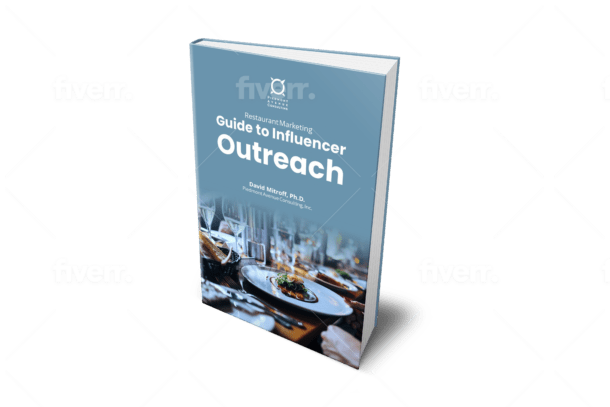
Lafayette Business Consultant and Marketing Expert
Piedmont Avenue Consulting Inc. - David Mitroff Ph.D. Free ConsultationLafayette Business Consulting and Marketing
Lafayette is famous for the high quality of life, top-ranked schools, low crime rate, small town downtown, clean air and mild climate. The city has a very strategist location to reach the big city San Francisco as well. Lafayette offers a chance for great innovation in business to grow, such as Lafayette Green Business program. All organizations need to set up short-term as well as long-term business marketing plans. There is a huge opportunity waiting to open a business. Schedule a call with David Mitroff, Ph.D. today to learn more about how we can help you achieve your goals and strengthen your Lafayette business.

Lafayette Chamber of Commerce (www.lafayettechamber.org) located at 100 Lafayette Circle, Suite 103, Lafayette, CA 94549, phone (925) 284-7404, fax (925) 284-310, is a volunteer-based organization serving the interests of the business community and with an ongoing commitment to the City of Lafayette. Their aim is to promote and maintain a healthy business climate and to preserve and enhance the quality of life in Lafayette.
Lafayette California (www.ci.lafayette.ca.us) located at 3675 Mount Diablo Blvd., #210 Lafayette, CA 94549, phone (925) 284-1968, is a government based organization that dedicated to serve the community through providing all the latest news, information and updates about the city, business needs, public services, transportation and more.
Contact us today to schedule a free consulting session to review how we may be able to help. Piedmont Avenue Consulting is a San Francisco Bay Area based business development and marketing consulting firm who creates brand awareness, strengthens customer loyalty, and increases lead generation through leveraging new technologies and streamlining business processes.
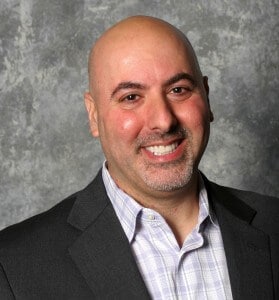
David Mitroff
Piedmont Avenue Consulting organizes, hosts, sponsors or promotes 50 to 75 events each year. We produce and promote many Bay Area networking events, social mixers, business networking, music, and charity events. To learn more about how your Lafayette events can be promoted more effectively, visit our website.
Why You Need Public Relations
Getting the word out about your product or service offered at your Lafayette business should always be a priority. Piedmont Avenue Consulting has relationships with traditional media like Diablo Magazine, Oakland Magazine, East Bay Express, Contra Costa Times, San Francisco Chronicle, San Jose Mercury News, and with new media like Yelp, FourSquare, Jippidy, SF Gate, and others – allowing us to create greater marketplace awareness. Visit our website to see some press about our clients.
Business and Marketing Workshops in Lafayette
Piedmont Avenue Consulting and David Mitroff, Ph.D. have an extensive background in business and marketing consulting. This includes Dr. Mitroff conducting and hosting several business networking and marketing workshops in and around Pleasanton, San Francisco, Lafayette and Pleasant Hill such as a business networking event in Lafayette. To see a full list of upcoming events visit www.ProfessionalConnector.com
Starting a legal practice? Do you need Law Firm Marketing in Lafayette?
While working with LexisNexis, David conducted CLE presentations, seminars, and other workshops at leading law firm’s throughout the West Coast. David is an active member, on the executive board, or advisory committees for several organizations. He continually collaborates with several consultant groups, merchant associations, and charities to best serve the community. To learn more about Piedmont Avenue Consulting and how we worked with Lafayette law firms like yours, or for more information about our Continuing Legal Education Seminars for law professionals in Lafayette, visit our site.
Do you own a restaurant in Lafayette or the Bay Area?
A Lafayette restaurant marketing strategy begins with a solid business marketing plan and restaurant concept that is continually adjusted to meet the demands of the highly competitive Lafayette marketplace. Whether you are a restauranteur, retail business owner or owner of a professional services firm – any Lafayette Business would benefit from a consultation with marketing expert and business consultant David Mitroff, Ph.D. Piedmont Avenue Consulting works with businesses to create and/or improve current marketing strategies. This often includes Social Media, Customer Loyalty programs and new technology to streamline operations. For more information on how you can correctly and effectively market your Lafayette restaurant with social media marketing, visit our website.
Lafayette Community Banking and Financial Services Resources:
Is your business growing? Creating jobs? Starting a new business? Then you may need to contact a bank. Below are several Lafayette-based banks and financial institution.
Patelco Credit Union (www.patelco.org) located at 3498 Mt Diablo Blvd, Lafayette, CA 94549, phone (888) 681-8028, opening hours Monday-Thursday 10AM-6PM, Friday 9AM-6PM and Saturday 10AM-2PM.
Citibank (online.citibank.com) located at 3614 Mt Diablo Blvd, Lafayette, CA 94549, phone (925) 297-4856, opening hours Monday-Thursday 9AM-5PM, Friday 9AM-6PM and Saturday 9AM-2PM.
U.S Bank (www.usbank.com) located at 3498 Mt Diablo Blvd, Lafayette, CA 94549, phone (925) 283-7200, opening hours Monday-Thursday 9AM-5PM, Friday 9AM-6PM and Saturday 9AM-1PM.
Chase Bank (www.chase.com) located at 3492 Mt Diablo Blvd, Lafayette, CA 94549, phone (925) 962-9801, opening hours Monday-Friday 9AM-6PM and Saturday 9AM-4PM.
Call us at 510-761-5895 or use our self-scheduling tool below to book an appointment to discuss your marketing and business consulting needs further.
Headquarters:
Piedmont Avenue Consulting, INC.
3873 Piedmont Avenue, Suite 2
Oakland, CA 94611
510-761-5895