San Francisco Franchise
Are you looking for a business consultant to help you grow your business or start a franchise? Contact usSan Francisco Franchise Consultant
From Entrepreneur’s 39th annual Franchise 500 list, in 2017, 7-Eleven is ranked No.1 on the list, followed by McDonald’s and Dunkin’ Donuts. In order to determine if franchising is the right path, it is important to research if the market has the demand and if the product is unique enough to compete in the market.
Even though franchising seems to be an easy pathway to rapidly grow the replicated unique businesses, it may be more complicated than it seemed to be. “How can I grow a successful franchise in the SF bay area? Should I Franchise? Is my business franchisable?” These are some questions that franchise business owners in the San Mateo, Palo Alto, Redwood City, Fremont, Lafayette, Walnut Creek and other areas might have.
Except for solid evaluation of the business strategy, a successful franchise business in San Francisco bay area needs a solid marketing plan, including online marketing (Social Media, Email Marketing, Paid Ads…) Customer Loyalty programs and new technology to streamline operations and more.
Whether you are considering expanding your business or starting your franchise, we are here to help.
Schedule a call with David Mitroff, Ph.D. today to learn more about how we can help you achieve your goals and strengthen your franchising business in San Francisco.
Example of Marketing Video from our client, Ben & Jerry’s, of San Francisco Franchise:
(Click to read: Our Work With Ben & Jerry’s of Northern California)
Looking for advice on your Bay Area Franchise Business?
Thinking of opening a new Franchise business in San Francisco Bay Area?
Thinking of opening another Franchise location in San Francisco?
Contact us today to schedule a free consulting session to review how we may be able to help. Piedmont Avenue Consulting is a San Francisco Bay Area based business development and marketing consulting firm who creates brand awareness, strengthens customer loyalty, and increases lead generation through leveraging new technologies and streamlining business processes.
Looking for help to grow your franchising business(creating franchising business plans, hiring and training employees, setting up systems, online marketing, operations systems…)? Looking to improve your existing San Francisco Bay Area business marketing and promotion (press release, online marketing, website optimization, sales pipeline, customer loyalty, …)?
Here is the list of some franchises we worked with: (See the full list of our clients)
- Orangetheory Fitness
- Subway
- Ben & Jerry’s
- La Quinta
- Red Roof
- Holiday Inn Express
- Vitality Bowls
San Francisco Bay Area Franchise Examples
Subway (Click to see the example from our client). There are various locations: 160 Broadway, San Francisco, CA 94111, 425-D Battery St, San Francisco, CA 94111. Subway is a privately held American fast food restaurant franchise that primarily purveys submarine sandwiches and salads. (http://www.subway.com/en-us) Specialty’s Cafe & Bakery, There are various locations: 22 Battery St, San Francisco, CA 94111, 680 Folsom St, San Francisco, CA 94107, 500 Howard St, San Francisco, CA 94105; 101 New Montgomery St, San Francisco, CA 94105; Specialty’s Cafe & Bakery is a weekday-only counter-serve chain cafe serving baked goods & light breakfast/lunch fare. (https://www.specialtys.com/) Tommy’s Express, Located at 250 S Sanderson Ave, Hemet CA 92545, 951-392-2206, Tommy’s Express is a national car wash franchise that offers quick service, modern facilities and a professional clean. (https://tommys-express.com/locations) Paul Mitchell, Located at 1067 Folsom, San Francisco, CA 94103, 415-355-1734, Paul Mitchell provides a comprehensive program guiding students to become professionals in the fields of cosmetology, skincare, barbering, nails and make-up. (https://paulmitchell.edu/sanfrancisco/)Best Practices for Marketing your Franchise in San Francisco Bay Area
We provide a variety of services to Businesses in San Francisco bay area, below is a partial list of Bay Area Cities whom we have conducted consulting services in marketing, social media, or other business workshops:San Francisco, CA, Oakland, CA, Berkeley, CA
- Emeryville, CA, Concord, CA, Danville, CA
- Alamo, CA, Fremont, CA, Lafayette, CA
- Walnut Creek, CA,, Pleasant Hill, CA, San Ramon, CA
- Montclair Village, CA, Livermore, CA, Orinda, CA
- San Jose, CA, Richmond, CA, Dublin, CA
- Pleasanton, CA, San Leandro, CA, Alameda, CA
- Martinez, CA, Antioch, CA, Brentwood, CA
- Clayton, CA, Hayward, CA
David Mitroff
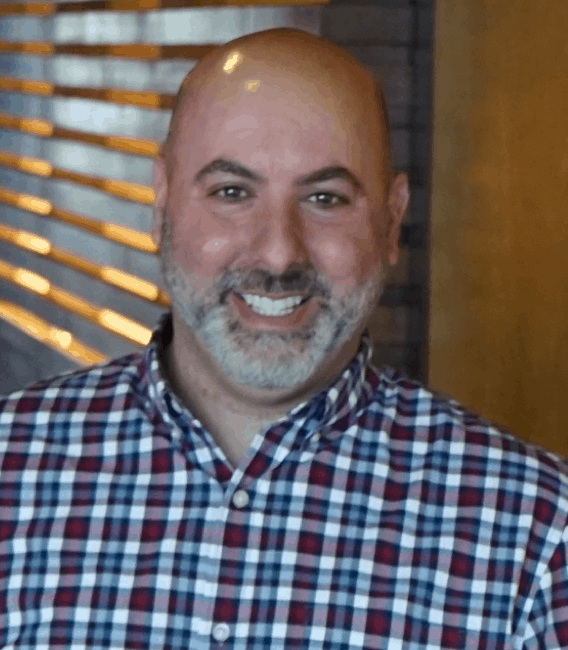
David Mitroff, Ph.D. is the Founder and Chief Consultant at Piedmont Avenue Consulting. David questions assumptions offers creative restaurant concept ideas and encourage new initiatives from strategy through implementation. David’s wealth of knowledge is transferred to clients leading to heightened sales, increased customer experiences, and enhanced relationship building techniques. David has an extensive educational background, in addition to professional sales training, which includes a Ph.D. in Clinical Psychology with coursework in Business Administration, Legal Studies, and Marketing providing a foundation for excellent critical and analytical thinking, business strategy, relationship building, and networking.