Education & Training · Oakland, CA

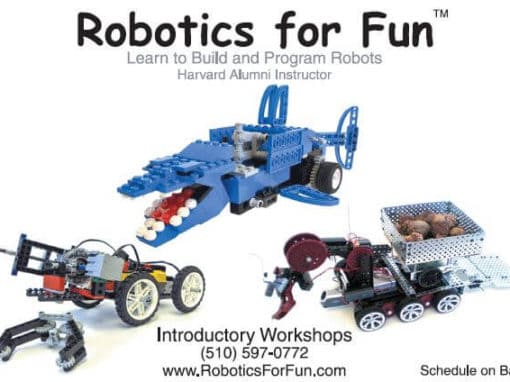
Robotics For Fun — program expansion case study.

Growing enrollment and awareness to support a second location.

Robotics For Fun — Education & Training marketing case study
Quick Answer

Piedmont Avenue Consulting expanded brand awareness and online presence for Robotics For Fun — a year-round kids robotics, math, and science program established in 2004 — after a business and marketing assessment, enabling a second Mountain View location.

Est. 2004Year-round program
2 locationsOakland + Mountain View
AwarenessOnline presence

Overview

Established in 2004, Robotics For Fun provides a year-round learning environment for children across robotics, math, and science. Our work grew enrollment and awareness enough to support expansion beyond its original Oakland location — building the local demand base that made a second program viable.

What drives STEM program enrollment

Children’s education programs are sold to parents, who choose based on trust, reputation, and local convenience far more than on advertising. Enrollment growth therefore depends on visibility within the local parent community and a credible presence wherever parents research activities for their kids.

Today that means strong local search, genuine reviews, and an active community presence on platforms like Facebook, where parents ask each other for recommendations. Awareness and trust, built locally, are what fill seats — and a program that builds enough of both at one location creates the demand base that justifies and supports opening another.

The challenge: education program marketing

Robotics For Fun needed to grow enrollment and awareness enough to support a second program location — building the local visibility and credibility that convince parents to enroll. Expansion in this kind of business has to be demand-led: a second location is only viable once there is enough local awareness and enrollment to fill it.

The work began with understanding, not promotion. The program needed a clear-eyed assessment of its business and marketing position before pouring effort into awareness, so the growth was built on a sound foundation rather than guesswork.

A strategy built on kids program brand awareness

We started with assessment, then visibility. A comprehensive business and marketing assessment defined the opportunity and the gaps, and the resulting plan expanded brand awareness and online presence to reach the local parent community — building the demand base needed to justify and fill a second location.

The strategy was deliberately demand-first: build awareness and enrollment at the existing program until the numbers justified expansion, rather than opening on hope. That sequencing — prove demand, then expand — is the same disciplined approach behind our business consulting work for growing local businesses.

What we did to drive local education marketing

The engagement combined assessment and visibility:

  • Completed a comprehensive business and marketing assessment.
  • Expanded brand awareness for the year-round educational program.
  • Established online and marketplace presence, including local search and community channels like Yelp, to promote the business in new ways.
  • Supported expansion into a new Mountain View location alongside the Oakland program.

Education program marketing that enables expansion

Expansion follows demand, not the other way around. By building brand awareness and a credible online presence in the local parent community, we helped Robotics For Fun generate the enrollment base that made a second Mountain View location viable rather than speculative.

The groundwork was the assessment. A comprehensive business and marketing review identified where the program stood and where the opportunity lay, so the awareness work that followed was targeted rather than scattershot.

We established online and marketplace presence — anchored by a strong Google Business presence and active community channels like Yelp — so parents researching enrichment activities found the program, trusted it, and enrolled, building the demand that supported growth.

The results

Robotics For Fun expanded brand awareness and online presence enough to support a second Mountain View location alongside its Oakland program — turning a single-location program into a growing operation through local visibility and parent-community trust rather than speculative expansion.

The durable outcome is a repeatable growth model. Having proven that local awareness and enrollment can justify a new location once, the program has a template it can apply again: assess, build local demand, then expand into it — the disciplined, demand-led path that keeps growth viable rather than risky.

A repeatable growth model

Having proven that local awareness and enrollment can justify a new location once, Robotics For Fun gained more than a second site — it gained a template: assess, build local demand, then expand into it. That demand-led discipline keeps growth viable instead of speculative, because each new location opens with the enrollment to support it. The same prove-it-then-scale approach informs our education engagements and our business consulting work for growing local programs.

Demand-led expansion is what separates sustainable growth from speculative growth in a program-based business. Opening a second location on optimism is a gamble; opening it because local awareness and enrollment have already proven the demand is a calculated step. By building the parent-community presence first, Robotics For Fun made its Mountain View location viable from the day it opened rather than hoping enrollment would eventually catch up to the lease.

The assessment that began the engagement matters more than it might appear. Pouring marketing effort into a program without first understanding its position, its strengths, and its gaps tends to produce scattered activity and disappointing results. Diagnosing first meant the awareness work that followed was targeted at the right parents with the right message, which is why it converted into real enrollment.

The deeper value is a repeatable template the program now owns: assess, build local demand, then expand into it. Proven once, it can be applied again at each new location, turning a single successful program into a model for disciplined growth. That prove-it-then-scale approach informs our education engagements and our business consulting work for local programs.

The bottom line

Robotics For Fun shows the value of demand-led growth. Rather than gambling on a second location and hoping enrollment would follow, the program first built the parent-community awareness and enrollment that made expansion to Mountain View a calculated step instead of a leap of faith. The assessment that came first ensured the awareness work was aimed at the right families with the right message, and the result is more than a second site — it is a repeatable template the program can apply again: assess, build local demand, then expand into it. For any local, enrollment-driven business, that prove-it-then-scale discipline is what keeps growth viable. To see it applied to other clients, browse our education engagements or our business consulting work for local programs.

There is also a lesson here about sequencing that applies well beyond children’s programs. The temptation in any growing business is to expand capacity first and fill it later, but capacity is expensive and demand is fragile, so leading with demand is almost always the safer bet. Robotics For Fun proved local interest could support more before committing to more, which meant the second location opened into genuine enrollment rather than into hope. For founders weighing expansion, that order — demonstrate the demand, then build to meet it — is the difference between growth that strengthens a business and growth that strains it. It is also a discipline that rewards patience: a program that lets proven enrollment justify each new step compounds steadily, instead of gambling its stability on a lease signed in optimism.

Why it worked — and what it means for you

The approach transfers to any local, enrollment-driven program: build awareness and trust within the parent community, then let demand justify expansion. The mistake is opening new capacity on hope; the discipline is proving local demand first so each new location is viable from the start.

If your program has a great offering but soft enrollment, an education program marketing consultant can build the local demand that fills it. For a related education engagement, see our Moler Barber College work, or browse other client stories.

The methodology behind the numbers

The engagement followed our standard playbook: audit and refocus existing assets first, combine strategy with implementation, build systems the client can run without us, and measure against specific deadlines. The tactics are tailored to the industry; the operating principles stay the same from one engagement to the next.

Frequently asked questions

How do you grow enrollment in a kids’ education program?
Build awareness and trust within the local parent community and maintain a credible presence wherever parents research activities — local search, reviews, and community channels. Parents choose on trust and convenience far more than on advertising.
How do you market a STEM program?
Reach parents locally with clear value and genuine social proof, since they decide based on trust, reputation, and convenience rather than broad advertising. A credible local presence is what fills seats.
When is an education program ready to expand?
When local demand justifies it. Building awareness and enrollment at the existing location first creates the base that makes a second location viable rather than speculative — expansion should follow demand, not precede it.
Why start with a marketing assessment?
Because targeted awareness work depends on understanding where the program stands and where the opportunity lies. Assessing first means the effort that follows is focused rather than scattershot, built on a sound foundation.
How does proving demand once help future growth?
It creates a repeatable model: assess, build local demand, then expand into it. Once a program has shown local awareness can justify a new location, it can apply the same disciplined template again.
How do I market my own education program?
Start with a marketing assessment and a local awareness plan. Piedmont Avenue Consulting offers a free 30-minute strategy session for education programs.

Want results like these for your business?

Schedule a complimentary 30-minute strategy session with David Mitroff, Ph.D. We’ll review your marketing, pinpoint the highest-leverage opportunities, and recommend specific next steps — whether or not you choose to work with us. Or other client stories to see how we’ve helped businesses like yours.