Benefits of a Business Consultant in Los Angeles

A genius way to help any business in Los Angeles improve is hiring a business consultant. A business consultant can aid all types of businesses with social media marketing, using CRM tools, improving google rankings through SEO posts, as well as helping a business fix its internal operations. Every business is different, which is why a good business consultant in Los Angeles can help with building a bigger client base or with internal business affairs.


Without a doubt, the Hollywood Walk of Fame is one of the busiest places in Los Angeles. Just around the corner from LACMA at Hollywood Boulevard, Vine Street, Los Angeles, CA 90028. Businesses are sure to thrive where there are people and all of these popular places in Los Angeles are flooded with people every day.
Location is not everything, which is why hiring a business consultant for your Los Angeles business is a good idea. If you are looking for a business consultant, look into Piedmont Avenue Consulting, Inc., which has extensive experience in helping all kinds of businesses. The team at Piedmont Avenue Consulting Inc. can assist with an opening business, a current business, or even help you create an exit strategy. Whatever your business goals may be, Piedmont Avenue Consulting Inc. will provide you a great start in achieving those goals.
Alameda Restaurant Example
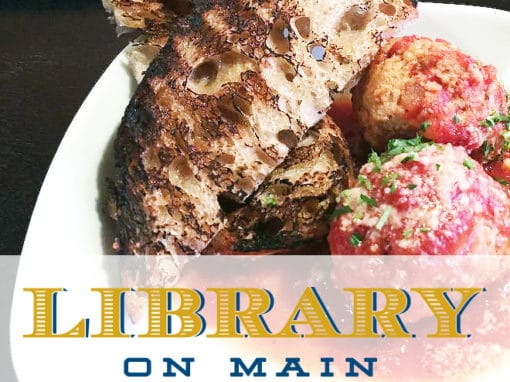
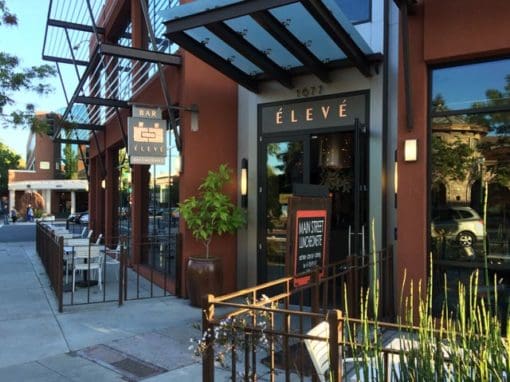
Improving your Restaurant Marketing efforts can be made easier by reviewing other Alameda restaurants marketing best practices.
Looking for a local expert for your Alameda Restaurant? Thinking of Opening a Business in Alameda?
Restaurant Marketing Blogs:
Case Studies



















David Mitroff, Ph.D. Business Consultant, Marketing Expert
David Mitroff, Ph.D. is a business consultant, marketing expert and keynote speaker who founded Piedmont Avenue Consulting (www.PiedmontAve.com), where he advises on leveraging new technology to create brand awareness, strengthen loyalty and streamline processes with proven results.